
'THC' Drug Testing Now Restricted from Hiring Process & Probation as NYC Announced Passed Bill

The NYC Council declared that they just passed bills restricting weed testing being required as a major aspect of the hiring procedure in New York City, and prohibiting the City from requiring maryjane testing for individuals on post trial supervision.
'This bill will close one trap door that trips people up," said the gathering's Public Safety Committee seat Donovan Richards. “Too many people come out, they are trying to do better, and they get busted for marijuana and go back into jail or prison. This sets them back.”
This is undoubtedly a breakthrough for the Metropolitan area considering everywhere you go it smells like the mystical wonders of Cannabis. With there being less than 9 months before it officially being 2020, there seems to be a new meaning to the recreation behind its use.
There has been plenty of information about the medicinal advantages that THC give the human body regarding diseases, cancers, and much more published by scientists, media outlets & circulating the internet for many years.
BREAKING: The @NYCCouncil just passed bills prohibiting marijuana testing being required as part of the hiring process in New York City, and banning the City from requiring marijuana testing for people on probation. Thank you @JumaaneWilliams & @DRichards13 for your leadership.
— NYC Council Speaker Corey Johnson (@NYCSpeakerCoJo) April 9, 2019
Tune in to watch live as I preside over the @NYCCouncil Stated Meeting, where we're passing my legislation prohibiting pre-employment marijuana testing: https://t.co/OHkA7tLCrP#MarijuanaJustice
— Office of the Public Advocate (@nycpa) April 9, 2019
The city conducts several such tests every year.
Read more from this panel!
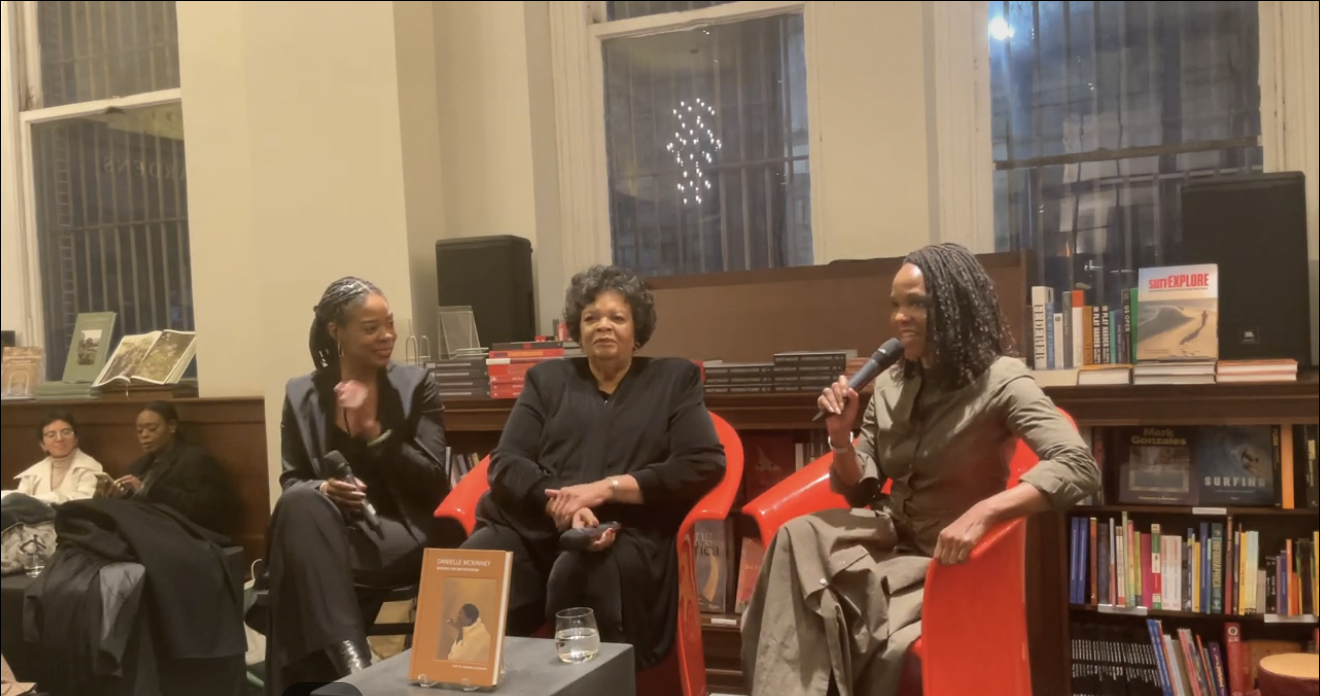
Danielle Mckinney’s upcoming New Orleans exhibition asks what a portrait can reveal without surrendering its subject’s privacy.
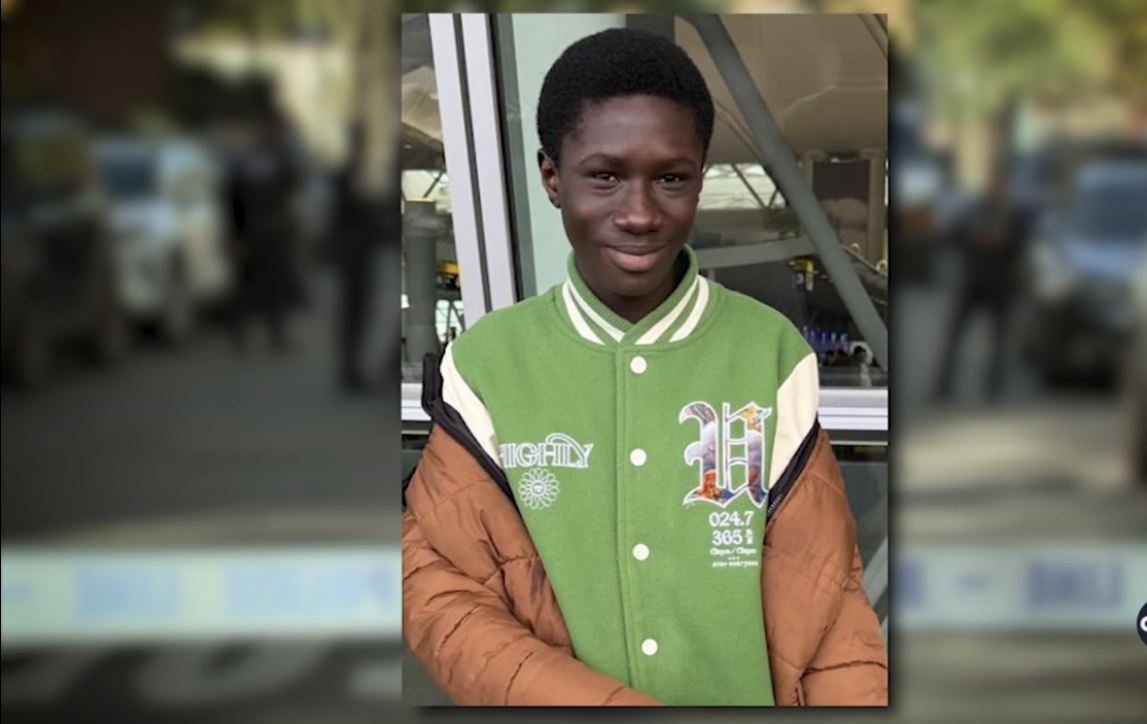
Javits Frimpong was 15. His death has brought a Bronx community together in grief and support for his family.
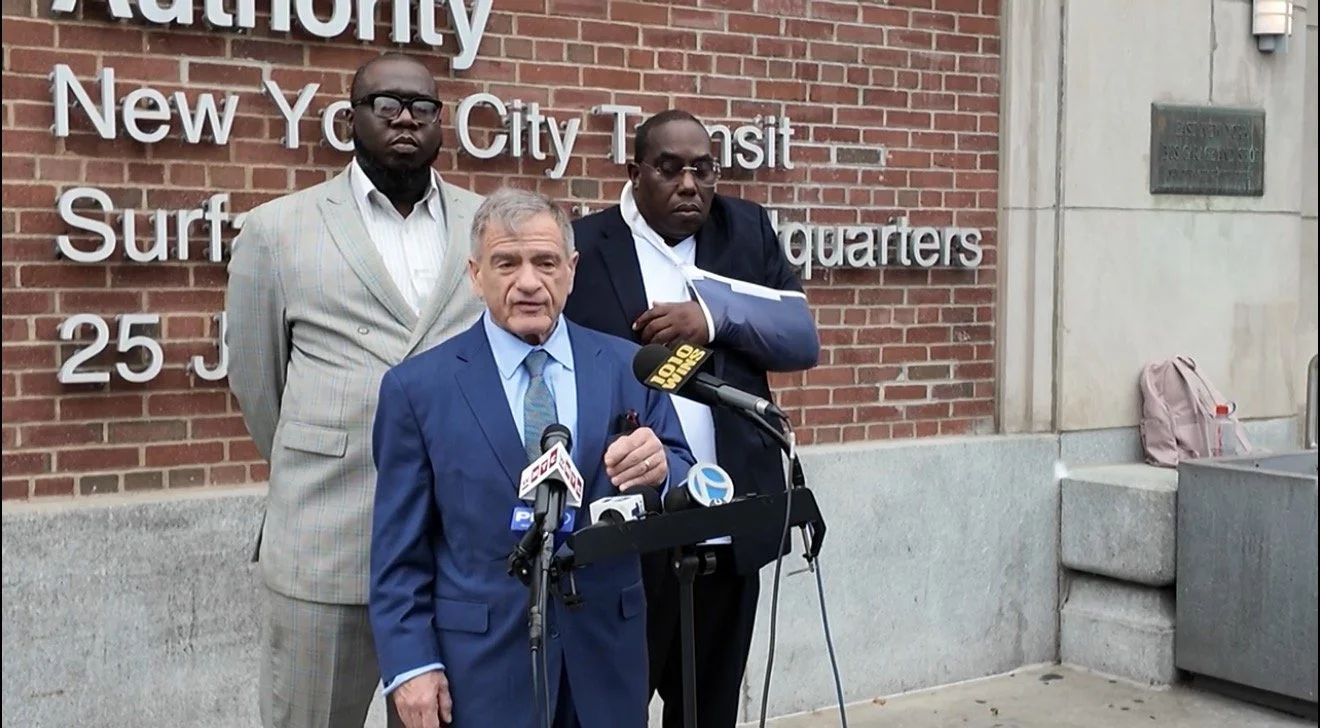
He says he had paid his fare. His encounter with MTA fare inspectors ended with allegations of assault, reported injuries and questions that the agency should not be allowed to brush aside.
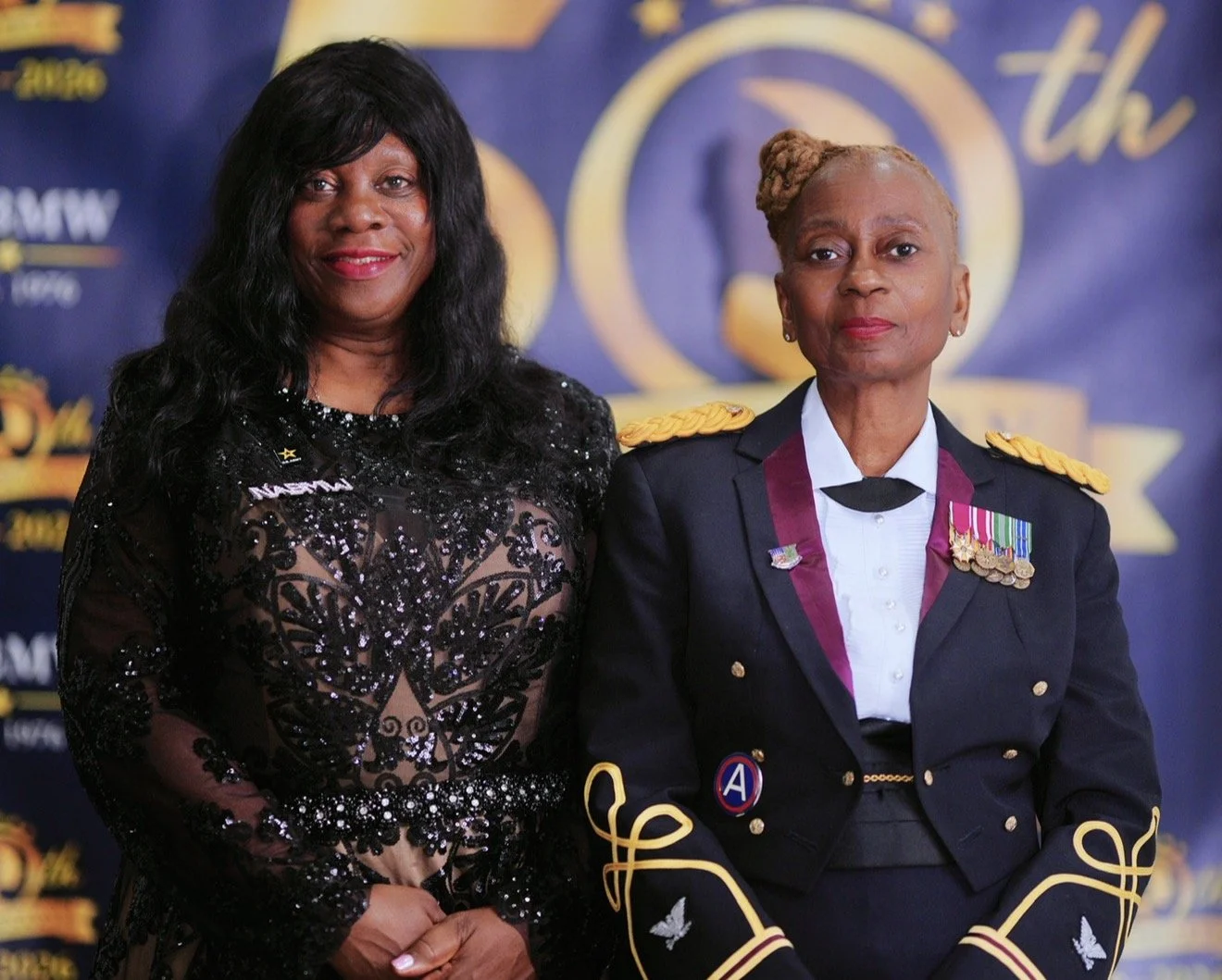
The National Association of Black Military Women marked its 50th anniversary with a gathering dedicated to preserving history and recognizing the contributions of Black women in military service. Held October 8–11, 2026, at Harborside Hotel in Oxon Hill, Maryland, the celebration carried the theme “Rooted in Legacy, Rising in Sisterhood.”
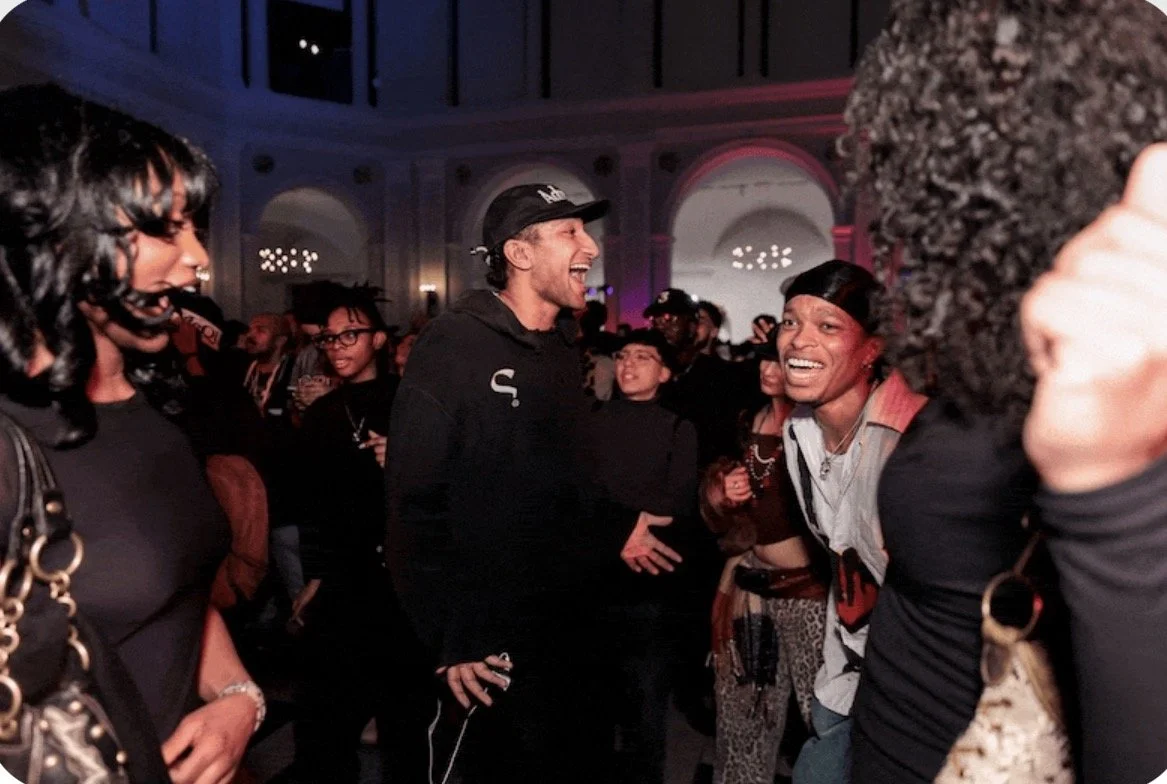
Keith Yamashita’s “What Season Is It, America?” was scheduled to bring poetry, photography and conversation to the Brooklyn Museum from October 21–25. This introduction examines the announced project, not eyewitness observations.
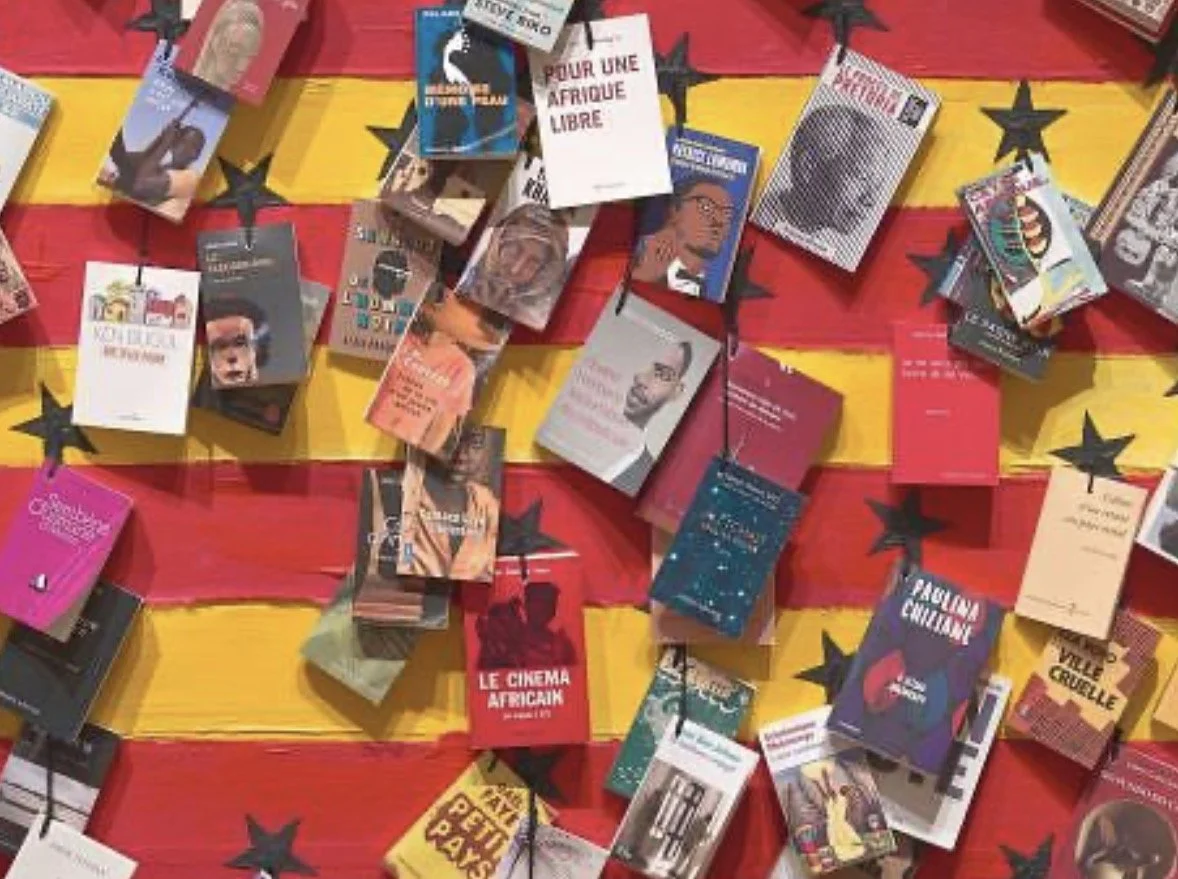
The Smithsonian’s National Museum of African Art is preparing to put its own collecting decisions on display. Announced October 22, “New & Now: A Decade Building the National Collection of African Art” opens November 6, inviting visitors to consider how a national collection grows and whose stories that growth makes visible.
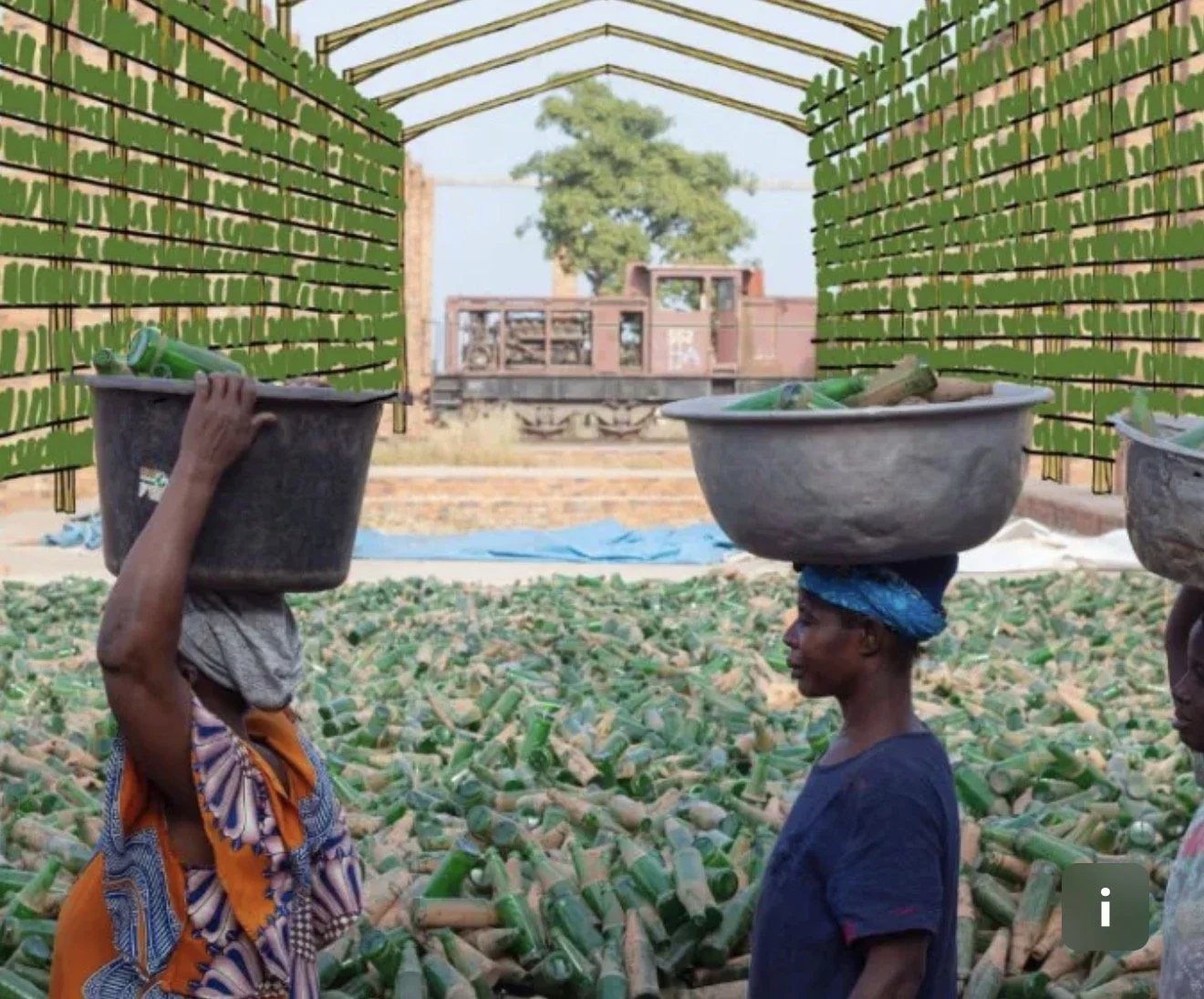
Ibrahim Mahama’s The Harvest Season opened at Fondation Cartier on October 22, bringing Ghanaian history, artistic collaboration and the possibilities of cultural institutions into focus. The Paris exhibition runs through February 28, 2027.
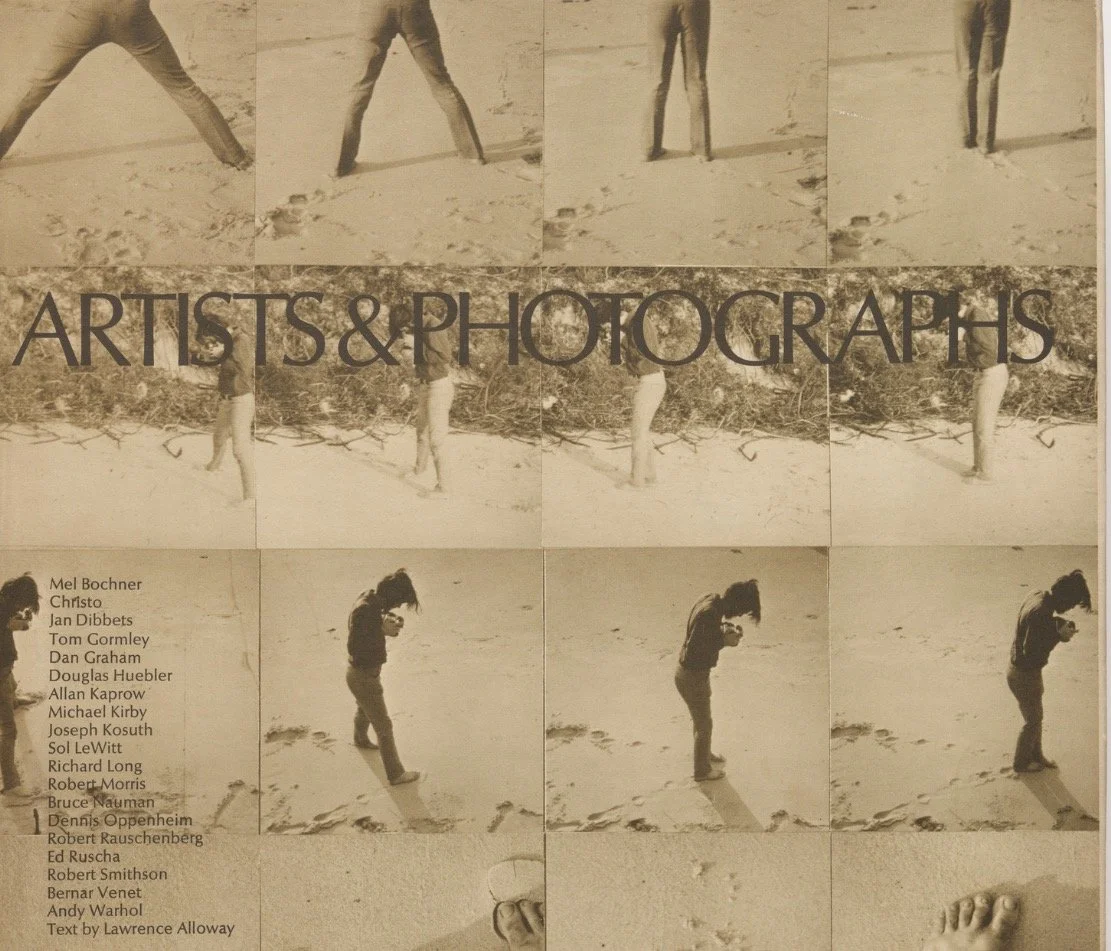
At MoMA, The Surrealist Book turns the familiar bound volume into a place for artistic rebellion.
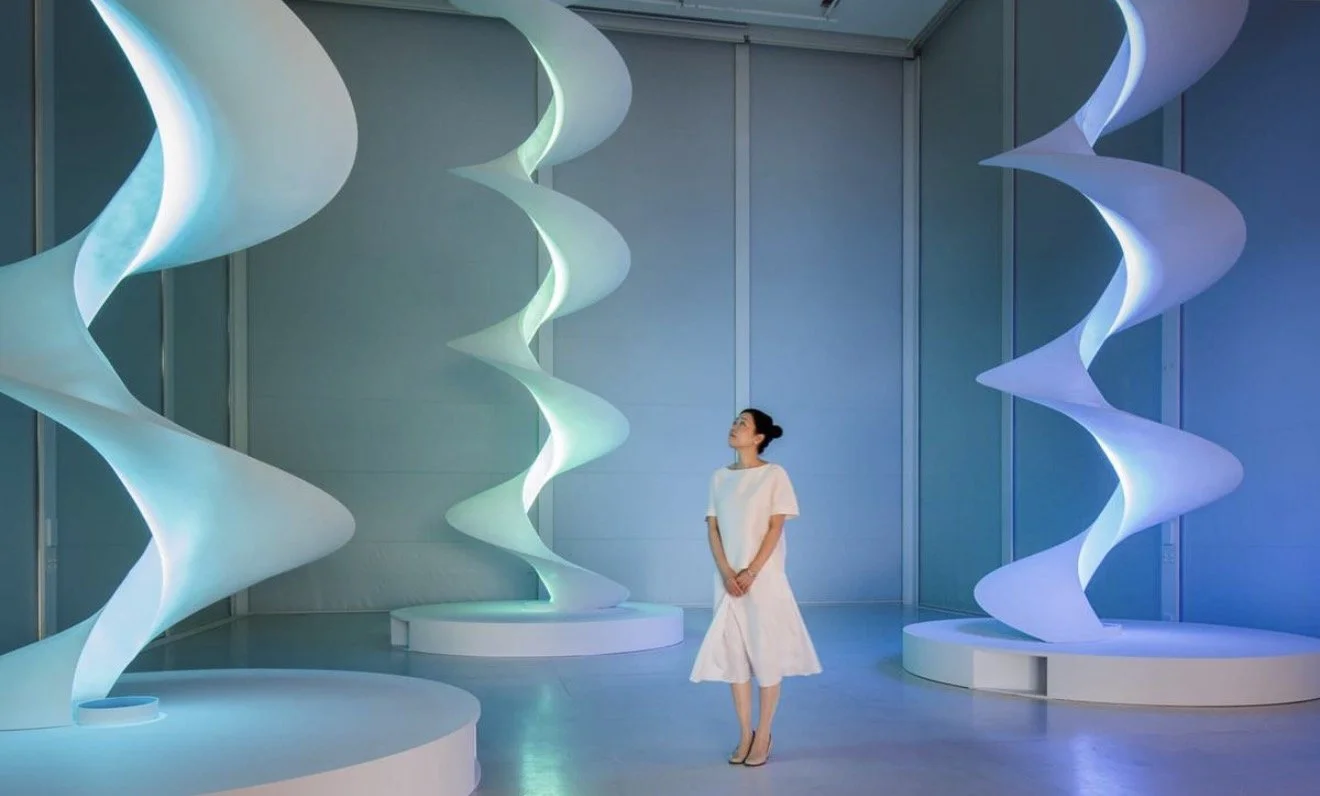
Mariko Mori’s All That Shines opens October 31 at Tokyo’s Mori Art Museum, tracing three decades of art that brings technology, spirituality and human connection into the same space.
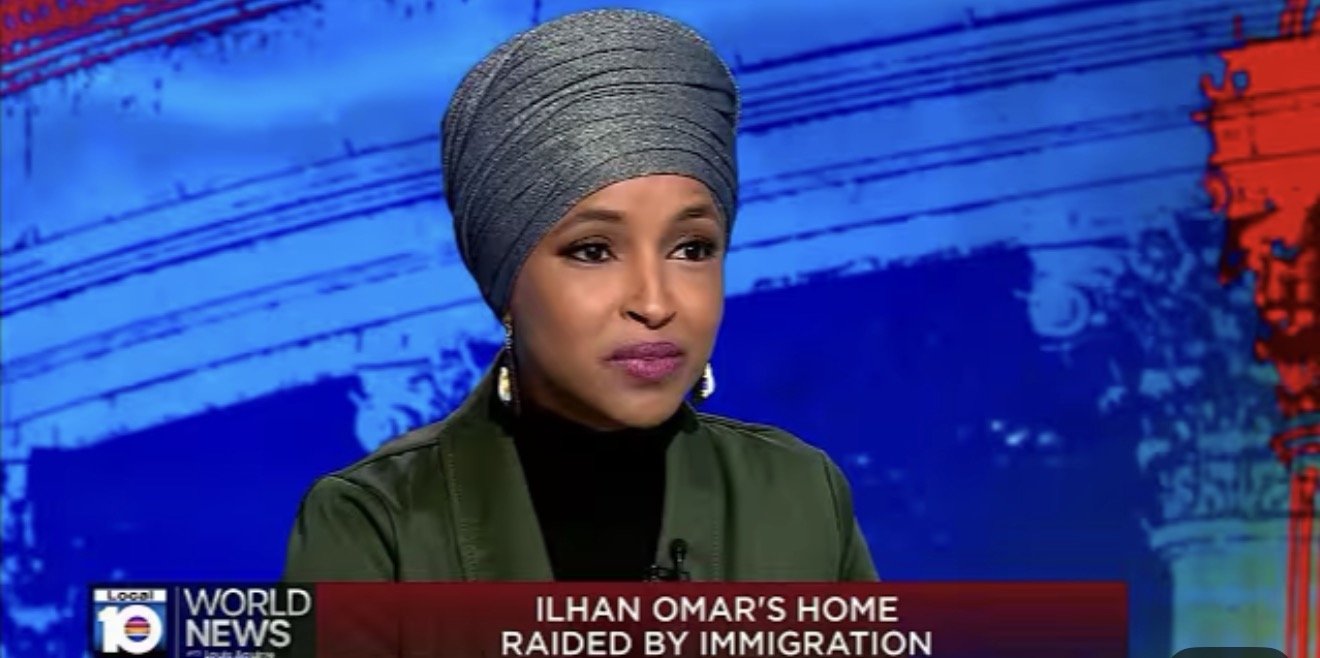
Federal agents searched Rep. Ilhan Omar’s Washington, D.C., home on October 12, just 22 days before the November 3 election in which she is seeking another term. The search has put a familiar democratic concern back in focus: how federal law enforcement exercises its power when voters are about to choose their representatives.
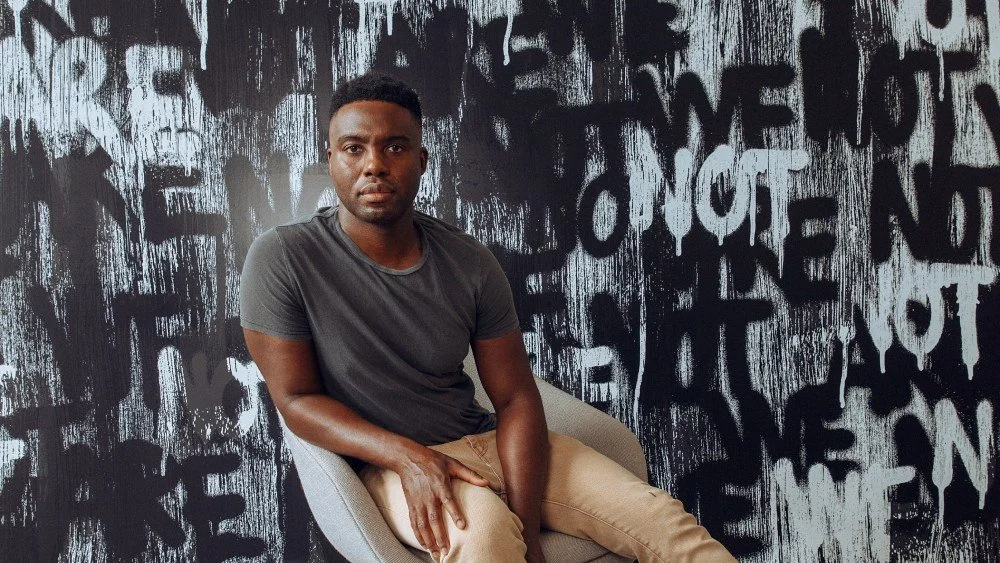
Adam Pendleton’s Some Wild Kind of Language opened at Amsterdam’s Stedelijk Museum on October 10. Running through January 17, 2027, the exhibition brings eleven paintings and eight large-scale drawings into a museum where the setting becomes part of the conversation.

The Smithsonian’s What a Dream Can Do offers a closer look at the objects, families and museum workers who keep Black American history visible.