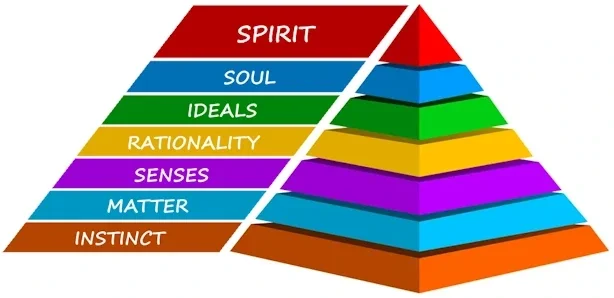
Those questions sit near the heart of the University of Pennsylvania’s inaugural Metaphysics Workshop, scheduled for November 7–8. Its programme offers a timely entry into debates about reality, explanation, identity and time.
Read More
Those questions sit near the heart of the University of Pennsylvania’s inaugural Metaphysics Workshop, scheduled for November 7–8. Its programme offers a timely entry into debates about reality, explanation, identity and time.
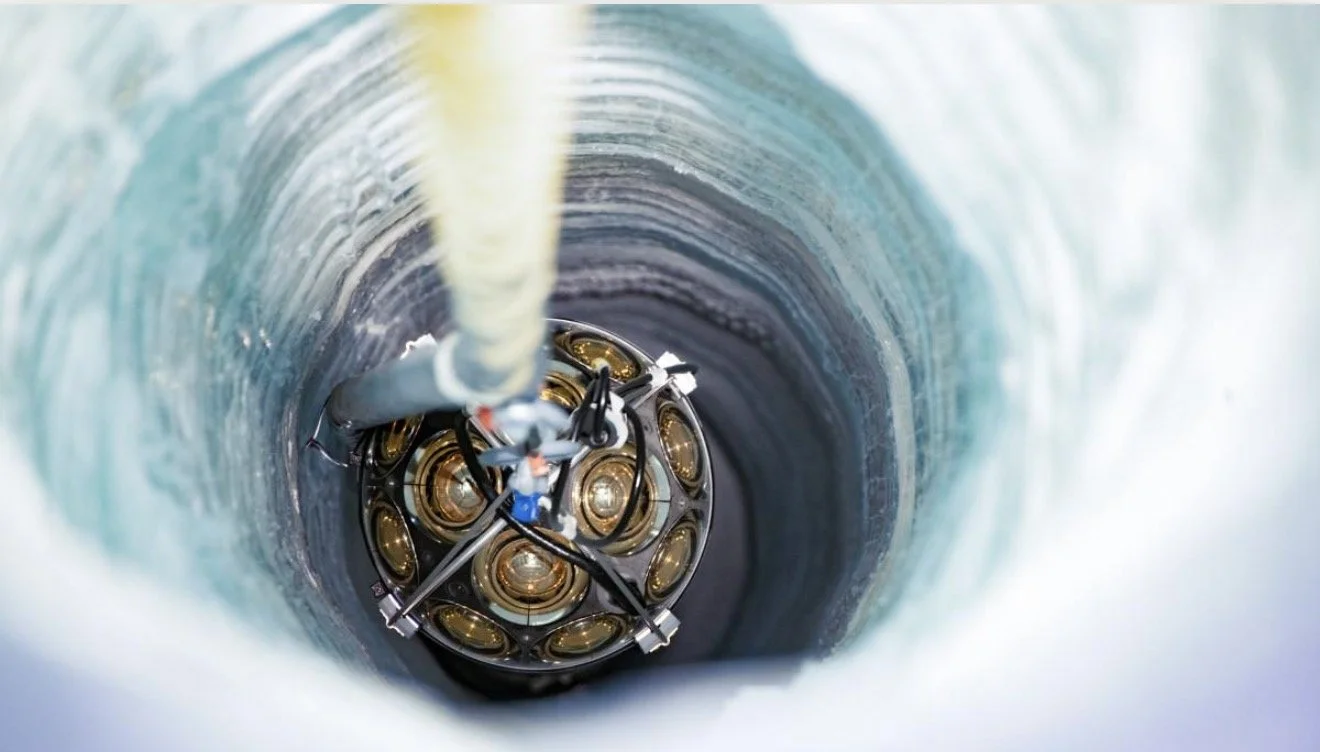
Read MoreA neutrino does not pose for a photograph. At the South Pole, scientists reconstruct its presence from traces left in ice. With Francis Halzen awarded the 2026 Nobel Prize in Physics, that achievement offers a timely way into an old philosophical question: what makes an unseen thing knowable?
Read MoreModels of Consciousness 7 was scheduled to begin in Copenhagen on October 12, 2026, with an ambitious question: how can researchers compare explanations of subjective experience? Its programme brings philosophical foundations, measurement and AI into the same discussion.
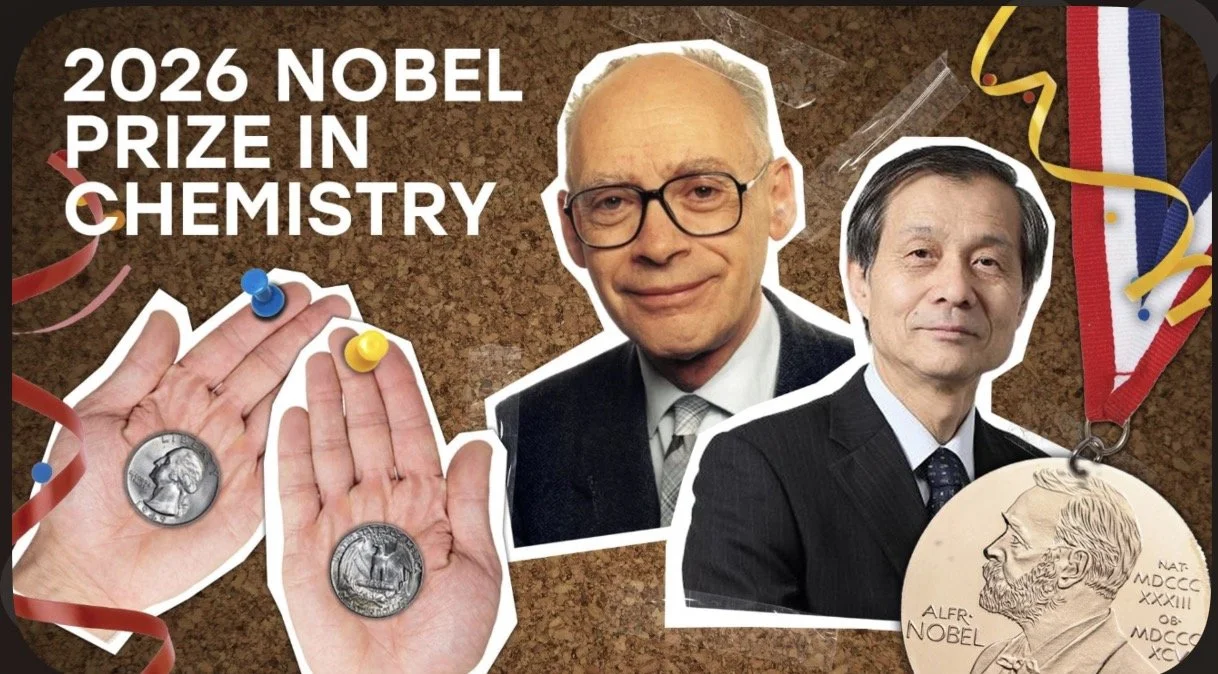
Read MoreThe 2026 Chemistry Nobel brings chirality, or molecular handedness, into the spotlight. The science invites a larger question: when a tiny imbalance becomes a lasting pattern, how do we distinguish a possible mechanism from the history of life itself?
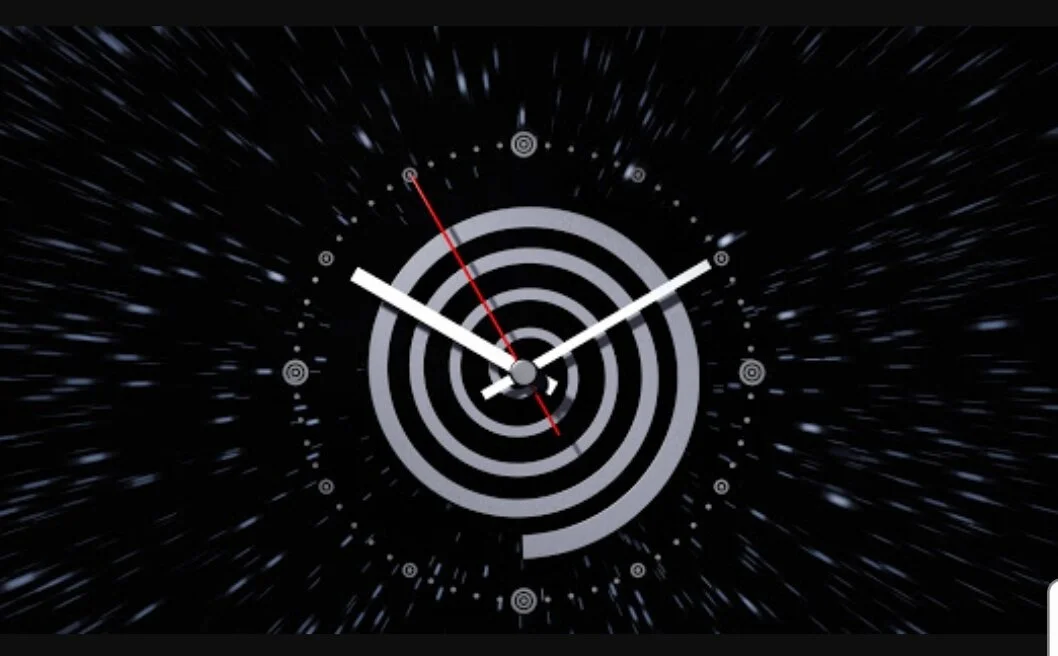
Read MoreThe mathematical itself is intricate, yet it comes down to something genuinely basic. Time travel conversation centers around shut time-like bends (CTCs), something Albert Einstein initially set. Also, Tobar and Costa state that as long as only two bits of a whole situation inside a CTC are still in "causal order" when you leave, the rest is dependent upon nearby choice.
Read More