
Lagos Fashion Week’s Programme Puts Craft and Ownership in Focus
In Lagos, the fashion conversation begins with the people who make the clothes.
The published programme for Lagos Fashion Week’s October 28–November 1 edition placed craft, ownership and the business of fashion alongside runway presentations.
The 2026 brief
The organizer’s official announcement confirms the five-day dates. Its year-round work offers a useful guide to what deserves attention beyond the finished runway image: how clothes are developed, whose skills make them possible and where the value of that work stays.
The clearest practical example is Green Access 2026, the platform’s emerging-designer accelerator. This edition asks participants to work with reclaimed textiles, local materials and inherited making techniques while considering durability, repair and production waste. Its program includes prototype reviews, visits to artisans, production tours and business-development sessions. The final presentation is intended to show collections alongside the research and craftsmanship behind them. These are the organizer’s stated aims, rather than independently measured results from this year’s cohort.
That emphasis has recognition behind it. The Earthshot Prize lists Lagos Fashion Week as its 2025 Build a Waste-Free World winner. Its profile credits founder Omoyemi Akerele’s platform with connecting designers to local supply chains and describes sustainability requirements for designers seeking to show. The award establishes the platform’s standing; it does not certify every garment presented in 2026.
A related African Fashion Collective declaration, hosted by Lagos Fashion Week, makes the ownership question explicit. It argues for supply chains that support makers and keep more economic value within Africa. The declaration presents circularity as knowledge already embedded in communities’ working practices, challenging the idea that it must arrive as an imported solution.
Cyclolore’s take: follow the making
For viewers, this is a reason to slow down before turning a collection into a trend list. A beaded surface or woven textile can invite admiration immediately. Understanding the work behind it asks for a different kind of attention: who developed the technique, who is credited and whether the people responsible can share in the commercial life of the design.
That approach also gives the sustainability conversation something concrete to examine. Can a garment be repaired? Does a construction choice reduce discarded material? Is an artisan relationship visible beyond a campaign caption? Those questions can distinguish a useful design decision from a broad promise without assuming that every answer will be simple.
There is a business question here, too. International visibility can be valuable, but attention alone cannot tell us whether a label has reliable production, workable margins or lasting orders. The accelerator’s combination of design and business learning deserves scrutiny for precisely that reason: the collection and the enterprise must be able to support each other.The most rewarding coverage connects the clothes to these practical choices. Individual designers should still have room for play, beauty and ideas that do not fit a single continental narrative. Taking African fashion seriously means allowing that range while asking careful questions about the labor and resources beneath it.
Lagos has set out an ambitious brief. The next step is to look closely at how each collection answers it.
Background: The Earthshot Prize profiles Lagos Fashion Week’s approach to fashion waste. This is not footage of the 2026 runway shows.
The Earthshot Prize: Africa’s Biggest Fashion Week Tackles Fashion Waste.
Also check out Cyclolore's new & current magazine issue “DOSSIER Mining” available now along with our previous issues!
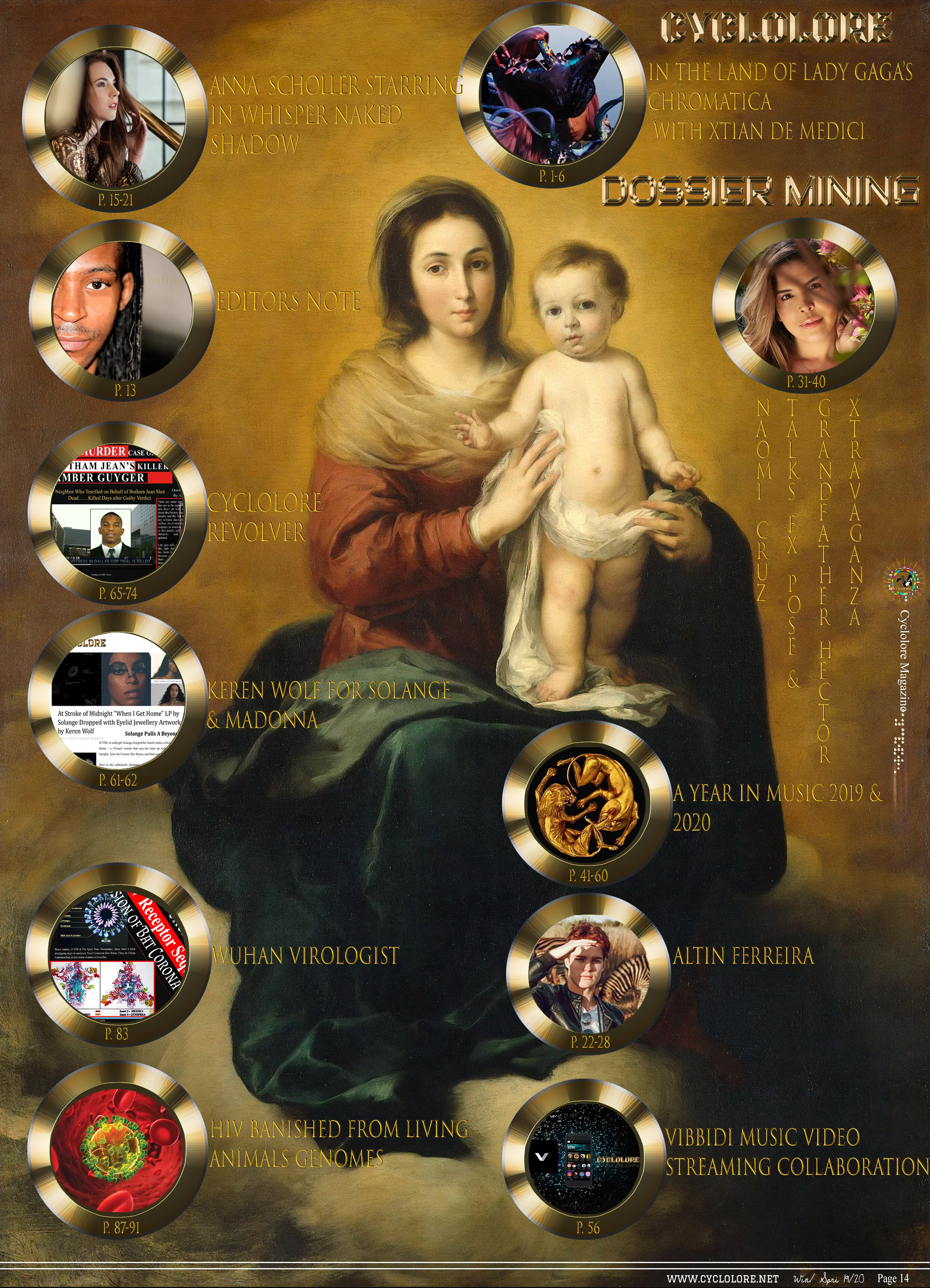
DOSSIER Mining releases in retrograde 'In the Land of Chromatica' with Lady Gaga's Designer Xtian de Medici, Keren Wolf, FX Pose's Naomi Cruz honoring the life of Grandfather Hector of House of Xtravaganza as our 1st cover story & Award Winning Anna Schollerova from Nora K's Whisper Naked Shadow TV mini-series and much much more!! The DOSSIER Mining compared to 'The Aftermath' issue, & others before it, is elevated reaching a better and truer essence of the Cyclolore Brand from many aspects & will so moving forward.
Related stories from this featured panel!
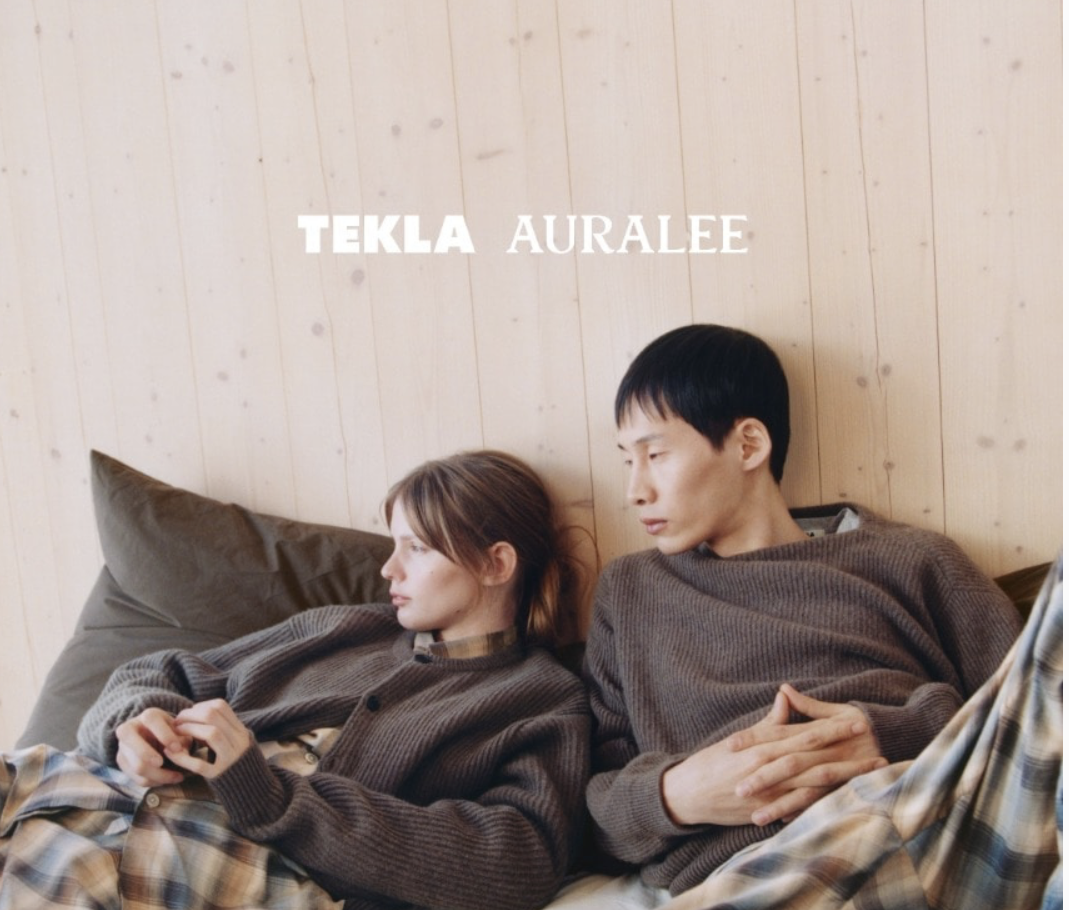
Auralee and Tekla are bringing winter dressing into the bedroom. Their second collaboration, launched October 28, 2026, connects knitwear, sleepwear and home textiles through a shared interest in the clothes we reach for outside and the comfort waiting when we return.
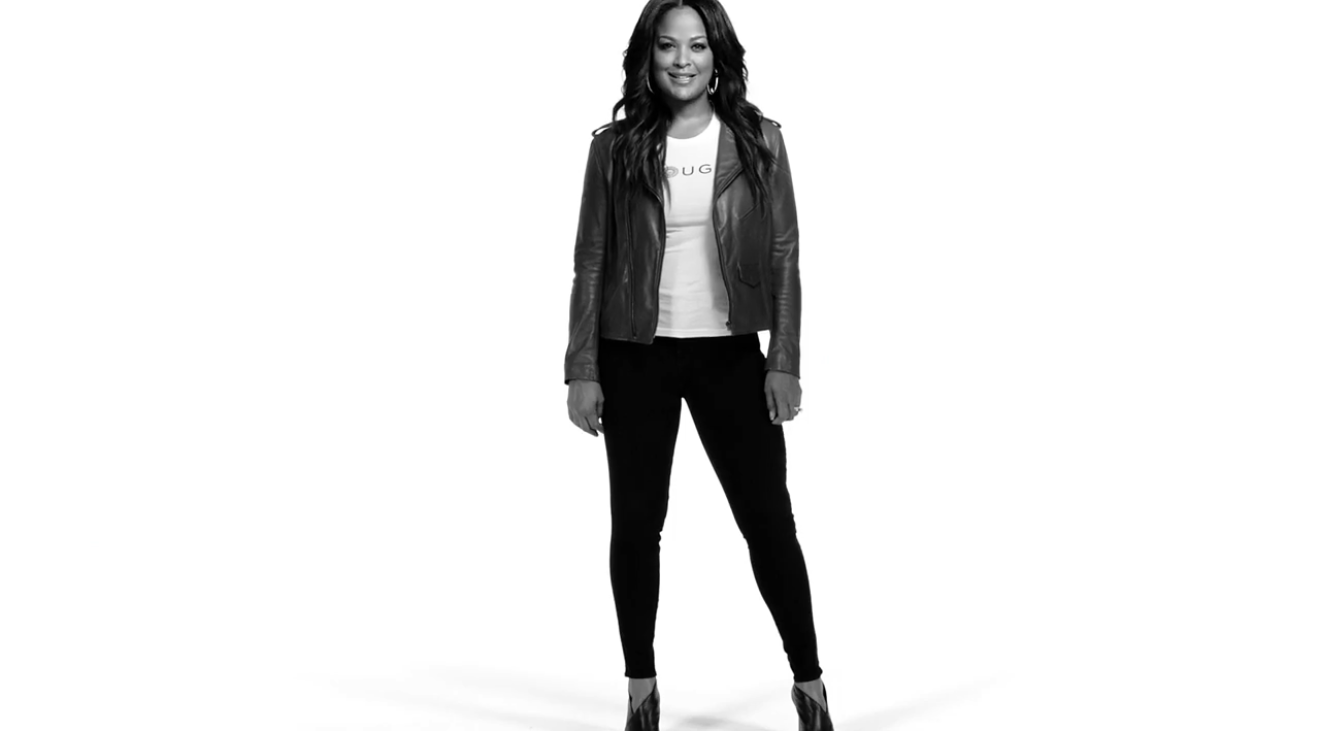
The 2026 CFDA Fashion Awards arrive November 2, with Keke Palmer hosting and a nominee list that puts several generations of design in view.
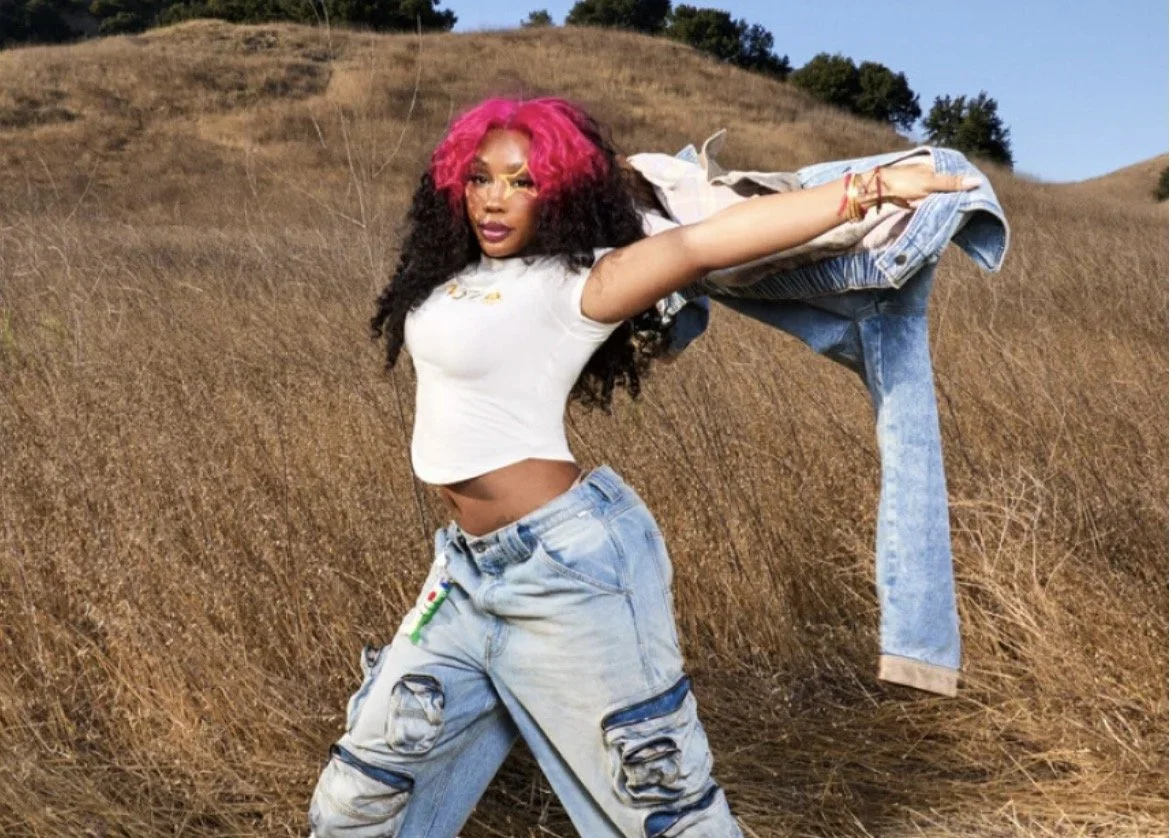
SZA’s VANSZA collection puts easy-on footwear and playful utility at the center of a fashion launch, with online availability announced for October 22.
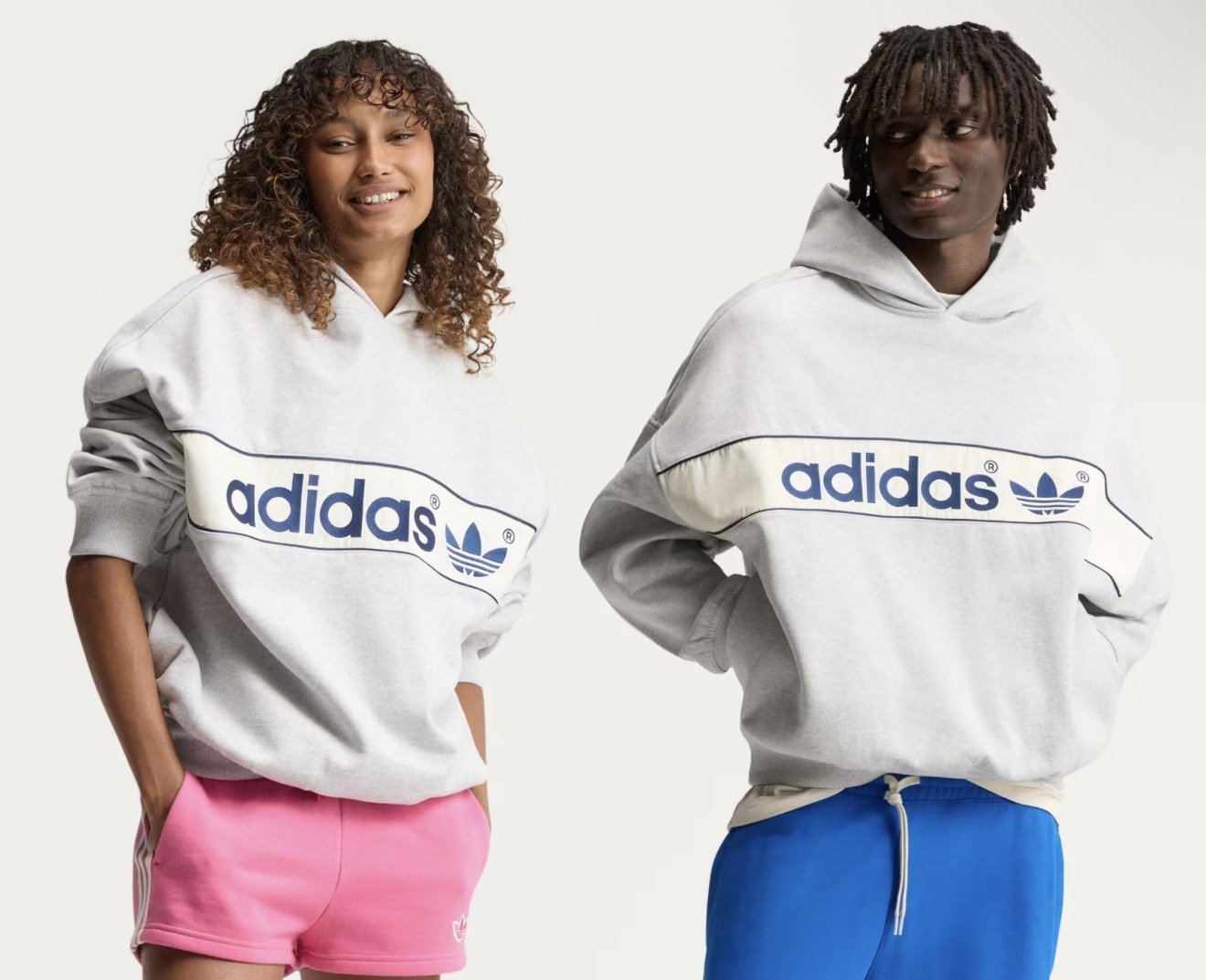
adidas Originals introduces adiSignature on October 23, 2026, with Willy Chavarria serving as creative advisor. The new range revisits familiar sweats and tracksuits through proportion, fabric and styling, asking how much expression can live inside an everyday uniform.
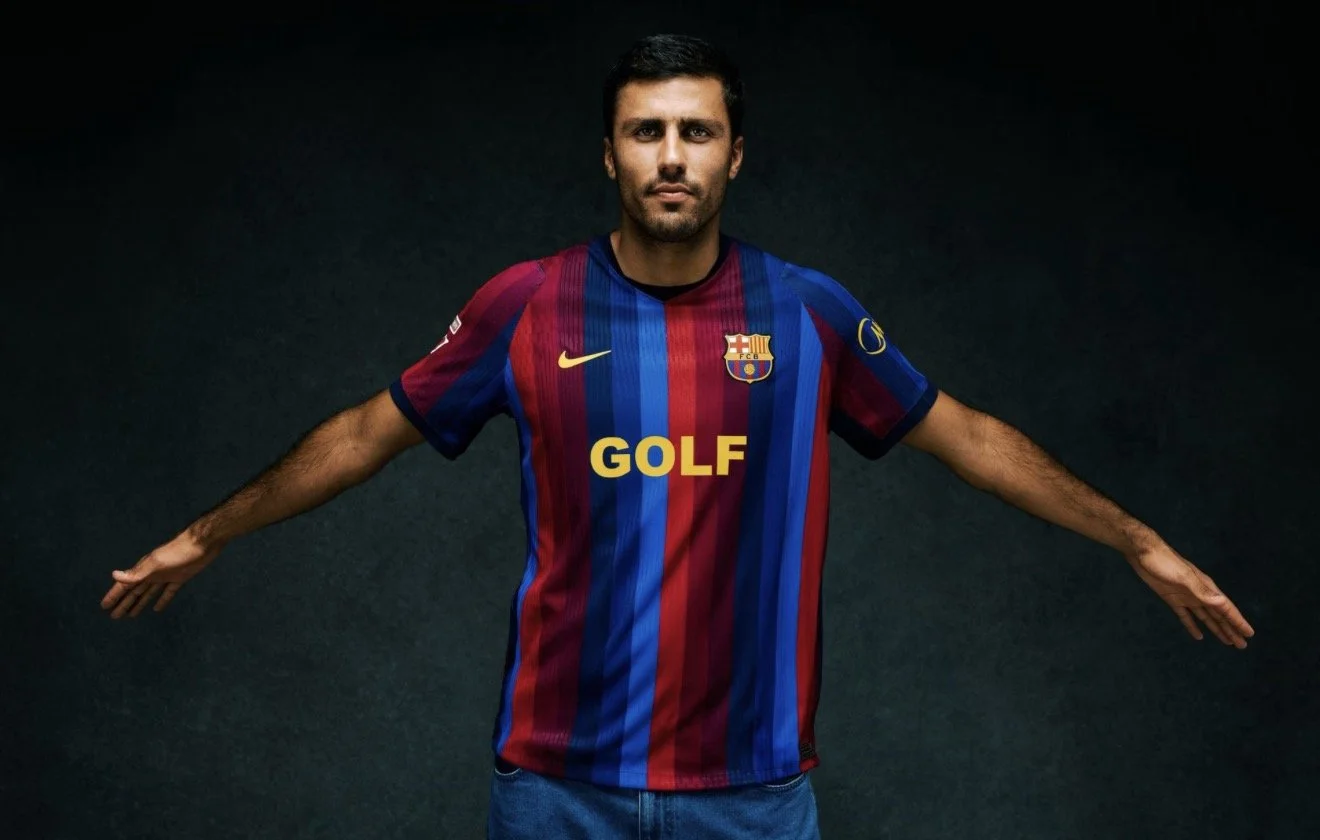
Tyler, The Creator’s GOLF WANG collaboration with FC Barcelona, Spotify and Nike extends from the jersey to a full clothing collection. Its most interesting fashion statement is the room it gives an artist’s visual identity within a familiar sporting uniform.
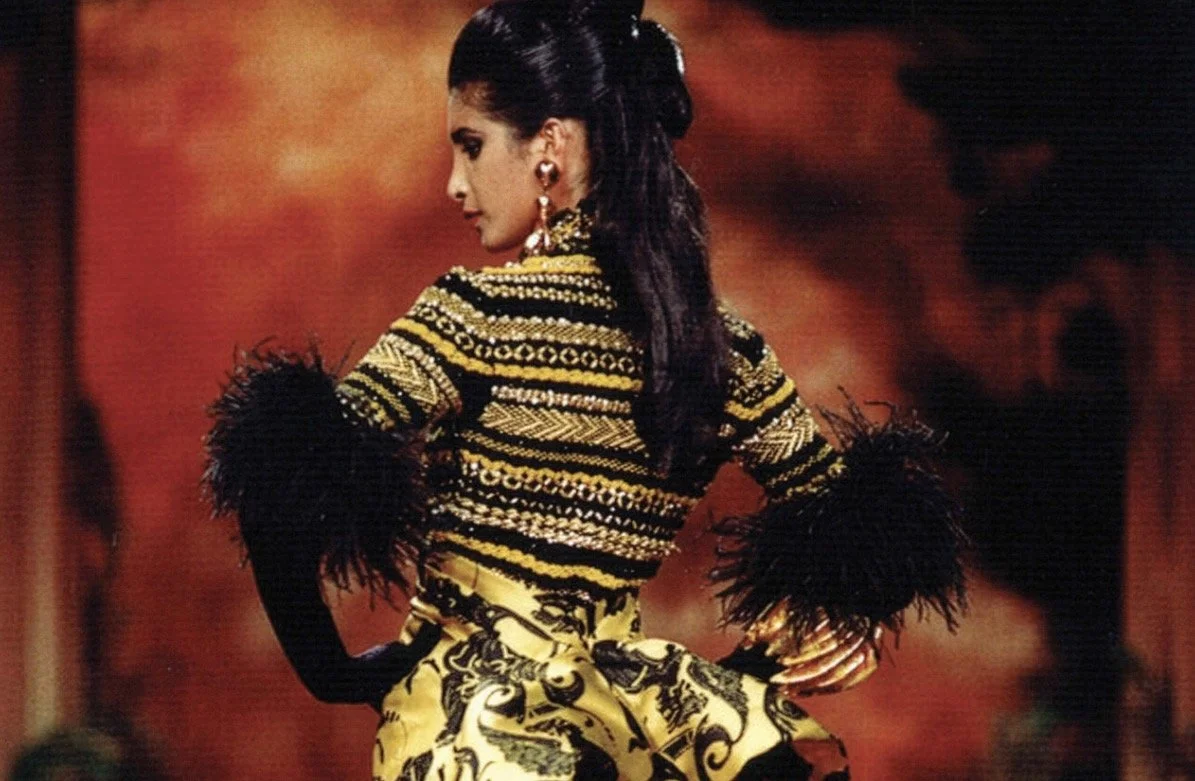
Paris Couture brings more than 80 garments from the Palais Galliera to the Minneapolis Institute of Art, turning the details of dressmaking into the main attraction. Open from October 4, 2026, through January 17, 2027, the exhibition offers a slower way to encounter fashion than a runway recap.
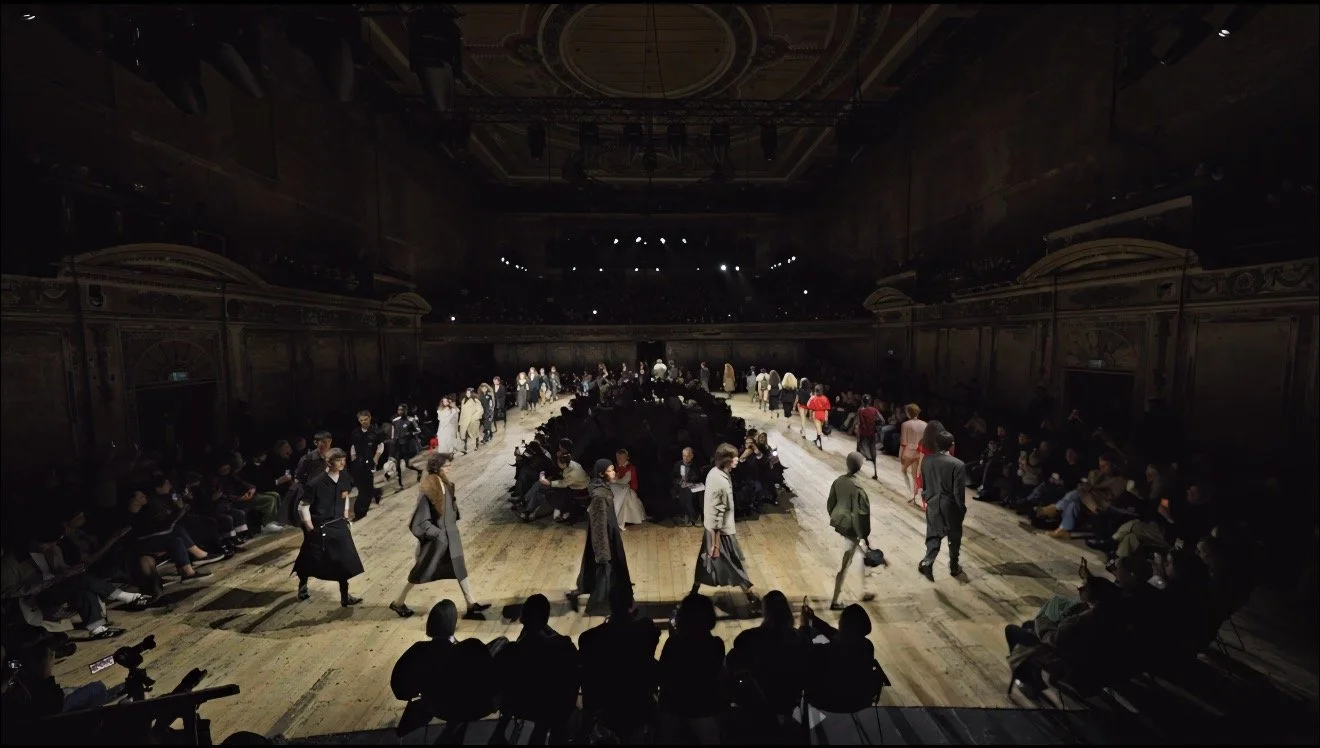
Simone Rocha’s adidas Originals collaboration gives track jackets, trainers and familiar sportswear shapes a romantic turn. With the first drop marked sold out on adidas’s US site, its most useful October takeaway is a way of mixing clothes that lasts beyond launch day.
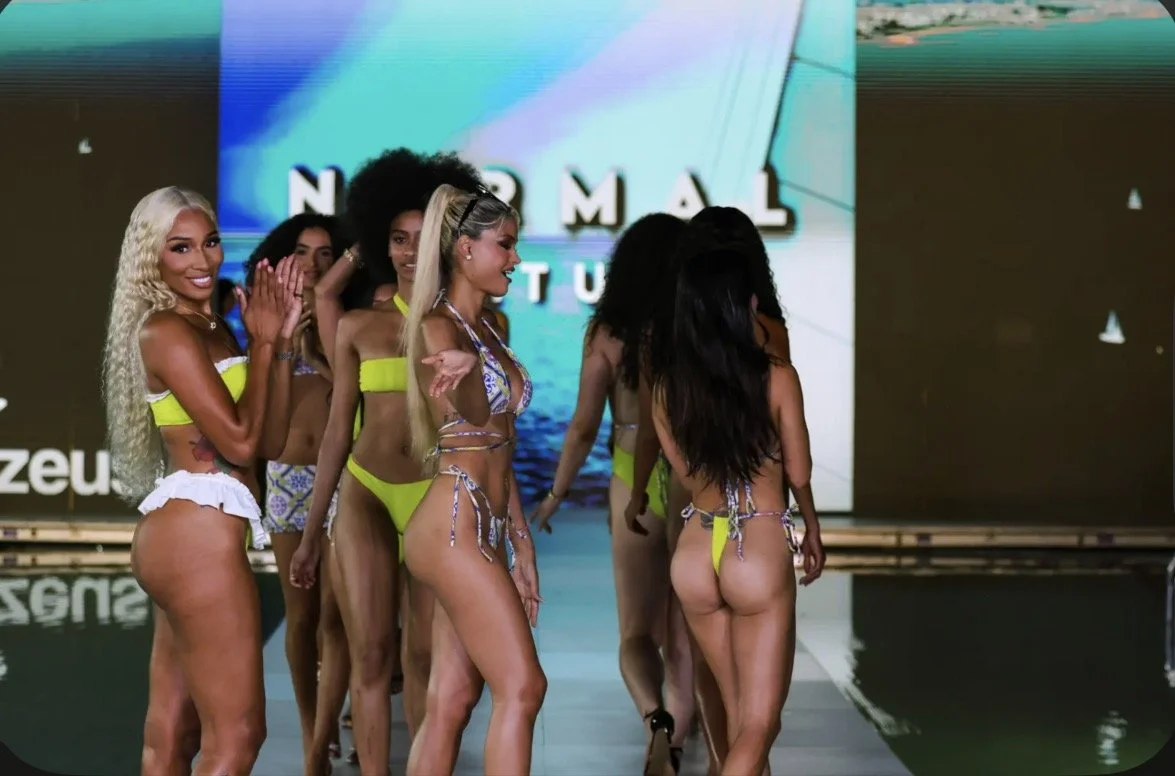
Miami Fashion Week opens October 13, with a program running through October 18. Runway presentations, a design summit and a new Stitch Lab shopping partnership give the city several ways to engage with fashion beyond the front row.
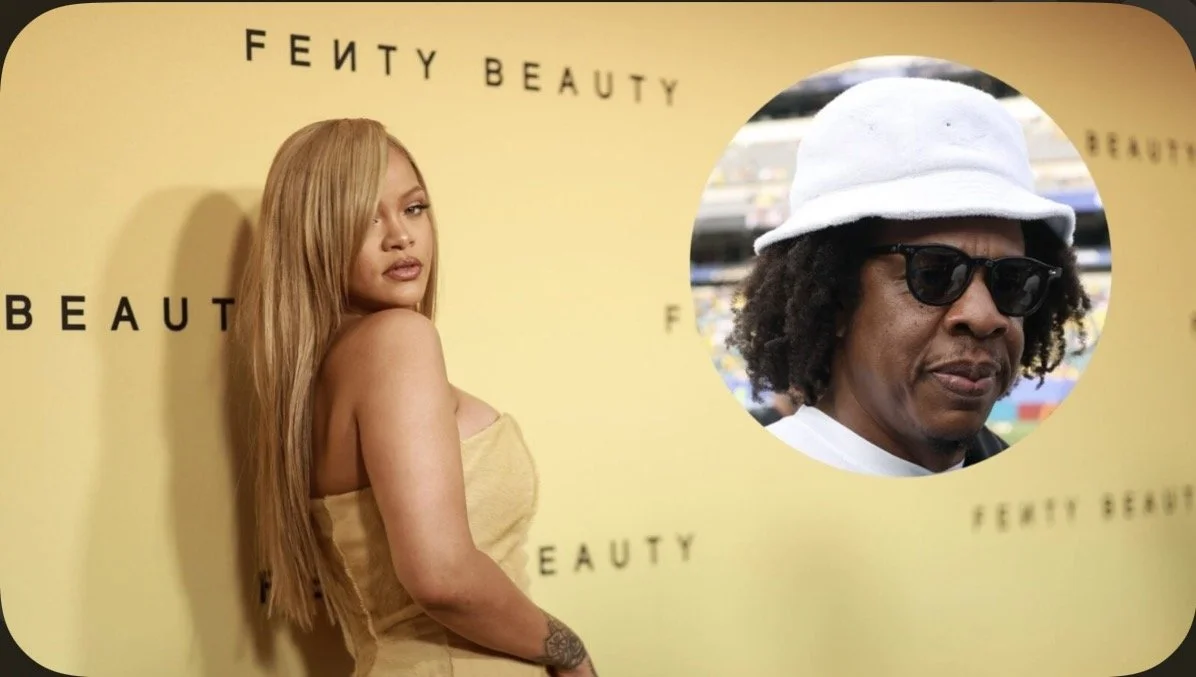
Rihanna’s Fenty Beauty could be getting a new business partner. A September 30 report from Puck says MarcyPen Capital Partners, co-founded by Jay-Z, is nearing a deal to acquire LVMH’s 50 percent stake. The story connects a long-running creative relationship with a potentially major change in the beauty brand’s ownership.
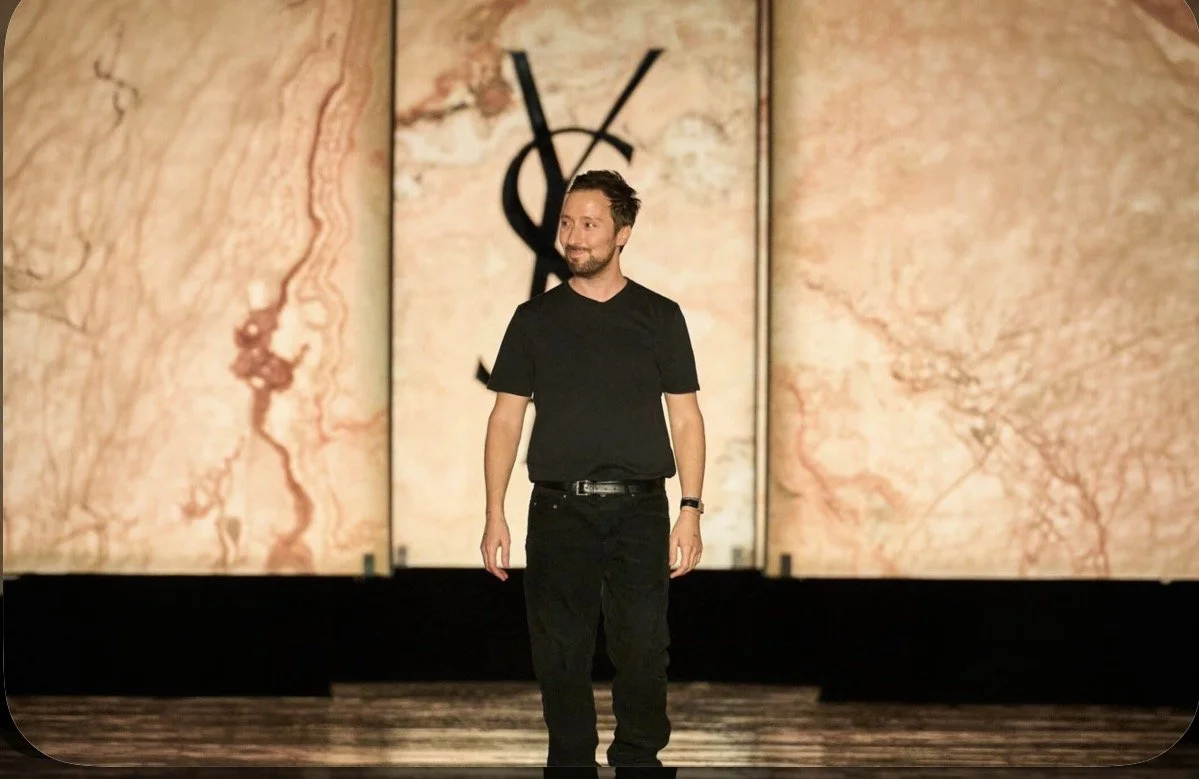
Anthony Vaccarello is leaving Saint Laurent after a decade as creative director, the house announced on October 9. His departure closes a chapter that stretched from the Paris runway to film production, with new creative leadership still to be announced.
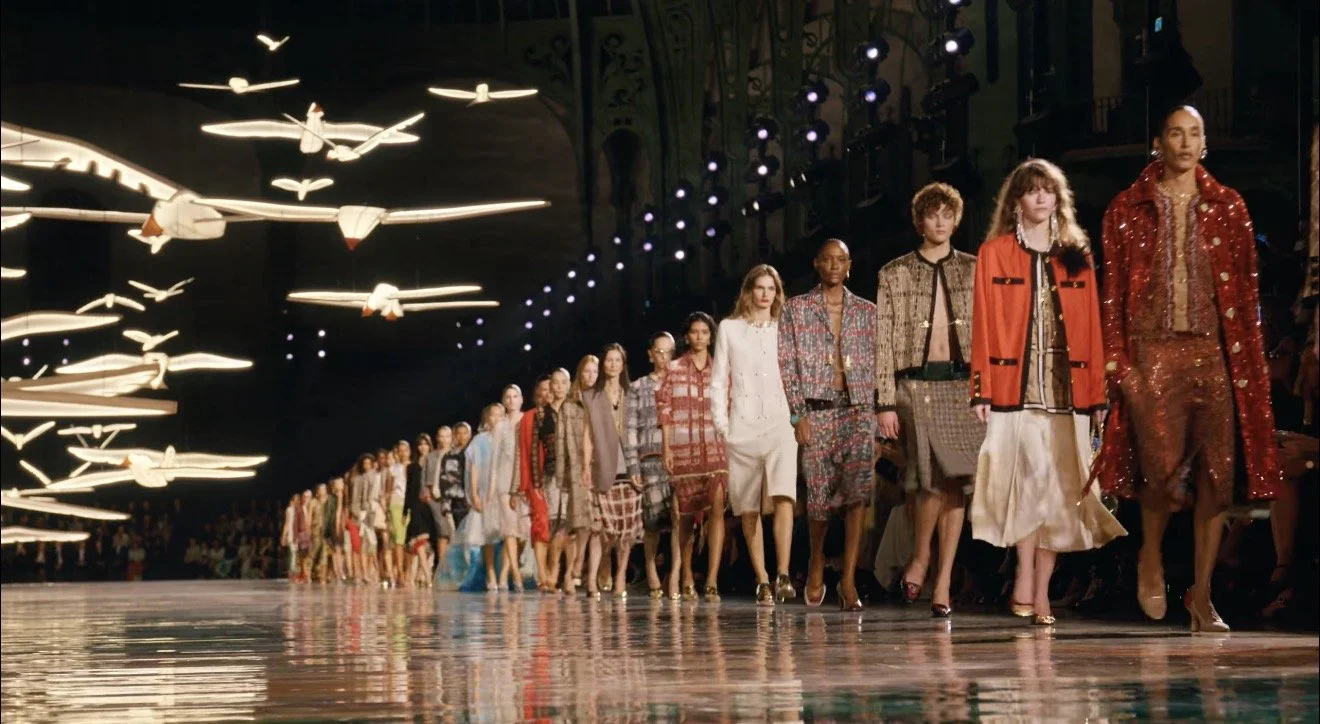
Chanel’s Spring/Summer 2027 collection gives a familiar question fresh urgency: how much freedom can a suit contain? Presented in Paris on October 5, Matthieu Blazy’s latest outing turns the house’s history of supple clothing into a proposition about texture, construction and the pleasure of getting dressed.
At the Musée des Arts Décoratifs in Paris, Look: 40 Years of Fashion at the Museum follows that longer story. Open through April 4, 2027, the exhibition marks four decades since the Musée des Arts de la Mode opened within the institution, gathering 40 iconic outfits to explore fashion’s life inside a museum.

While the laid-back statement made by the musician-turned-mogul was undoubtedly Rihanna, the news itself is anything but typical. Nearly ten years ago, Rihanna started working with Puma as creative director. Since then, she has created a line of shoes that have sold out and put on a number of shows during New York Fashion Week, earning praise from both critics and customers.
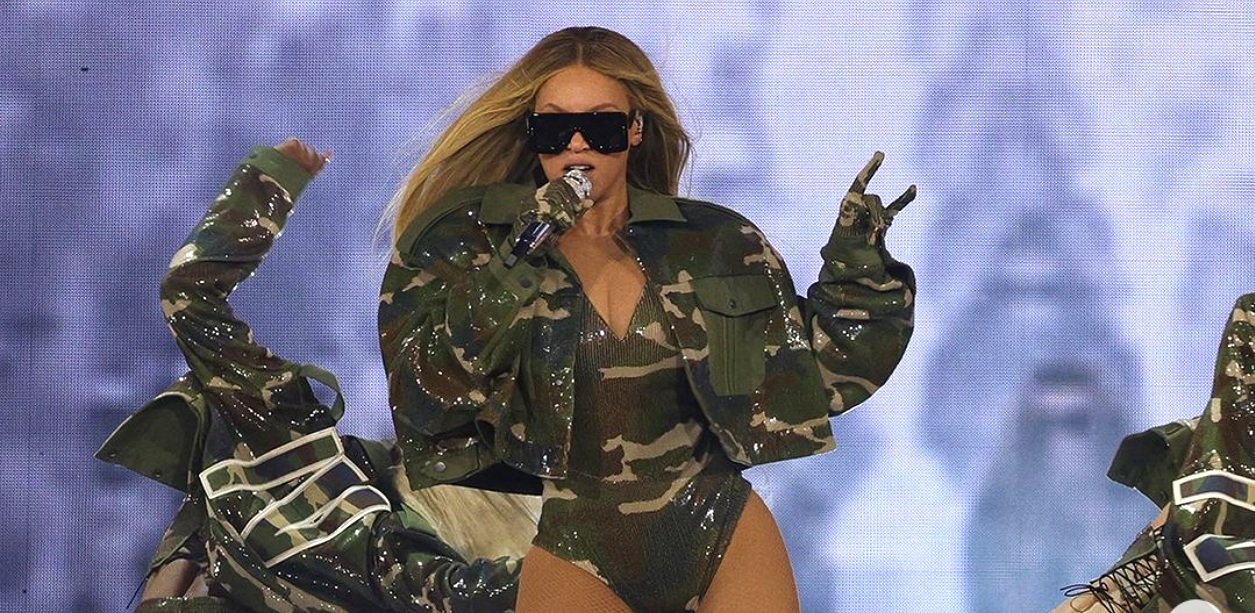
Beyoncé has brought to North America her opulent Renaissance World Tour outfits. The superstar performed the first of two concerts at the Rogers Centre in Toronto Thursday night to kick off the second part of her tour. During the performance, Bey introduced two new bespoke costumes, one of which was inspired by the renowned camouflage outfits from Destiny Child's "Soldier" era.

Styled by Zerina Akers, the singing team looked astonishing as they performed "Ungodly Hour" in strong metallic looks by New York designer, Sho Konishi.
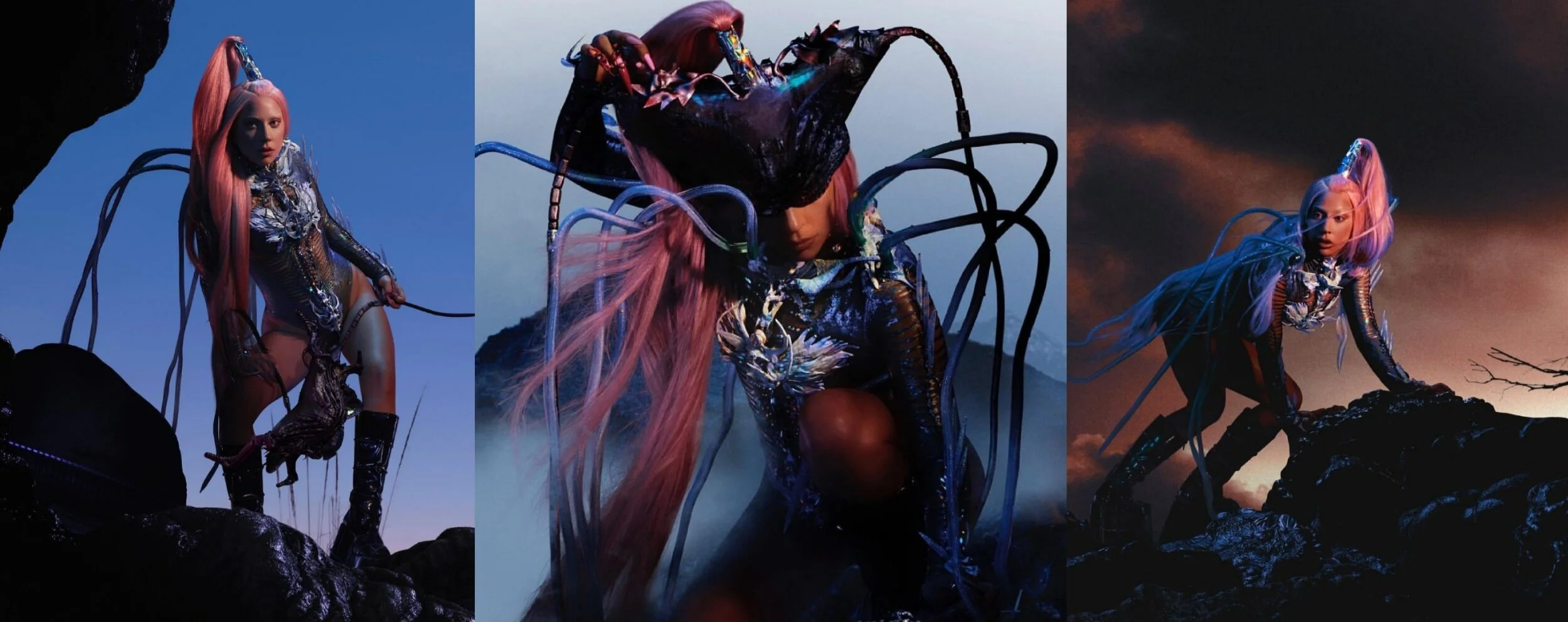
Cyclolore Magazine was honored with a deep and inspiring exclusive interview with Xtian de Medici that spawns 13 rounds of thought provoking questions and inspiring fashion design questions on his experiences designing Lady Gaga’s epic helmet in the Land of Chromatica.


Rihanna shared her most recent Fenty cosmetics instructional video on YouTube Sunday (April 26), and it's the ideal no-cosmetics look in search for both the coming summer months and being stuck in self-isolation.

Participant B "As a primary school teacher, with no experience in the creative industries, I felt I would be left behind from the 'get-go' - however, the emphasis you placed on community building tasks within your curriculum, via your ice-breaking sessions, allowed for us participants to learn from one another, as well as from the tutor... There is an unspoken power within validating your students' experiences, something I had the pleasure in experiencing today."

Rihanna may have the world at large thirsting for new music, but that hasn’t halted the acceleration of her other projects. Five years in the making, the photo focused set was launched last October (with the most premium version of costing $2000).

To garner up some good buzz for her first cooperation with Adidas, Beyonce conveyed huge boxes loaded up with orange, maroon and white dress from her Ivy Park case assortment to VIPs, for example, Reese Witherspoon and Ellen DeGeneres. The on-screen characters and influencers immediately posted recordings and photographs of the compartments being unpacked.

Without a moment to spare for you to break your "spend less money" New Year's goals, Beyoncé is dropping fresh out of the plastic new Ivy Park stock in 2020. The artist prodded the things in a progression of Instagram posts Monday morning.

For the spread, Cardi, 27, is styled in a low profile red Michael Kors Collection dress and red Jimmy Choo siphons, with Kulture coordinating in a some shorts. Inside the magazine, the two twin in botanical outfits, Cardi's by Oscar de la Renta and Kulture's by Brock Collection x Maisonette($208).

She expressed gratitude toward individual models Linda Evangelista, Kate Moss and Christy Turlington – her "sisters for life" – just as Gianni Versace, the late style fashioner. Campbell said she was the “first woman of colour to receive this award” before saying thanks to ladies who she said had preceded her, including Janet Jackson, Tina Turner, Iman, Bethann Hardison and Eartha Kitt.

Karl Lagerfeld related the Fendi brand with fun and that is the thing that the Rome-based organization is referencing by and by cooperating with Nicki Minaj on another case gathering due to be propelled online on Oct. 14 and in 52 Fendi stores on Oct. 16. The case is designated "Fendi Prints On."

Fenty Beauty's first item—the Pro Filt'r Soft Matte Longwear Foundation—was momentous on account of the noteworthy shade extend as well as in view of the equation. When applied, the product does not move for quite a long time, even on the those with super-sleek skin. Yet, on the off chance that you have dry skin, you most likely think the recipe is too mattifying, as it tends to stress dry fixes and almost negligible differences.

Bey multiplied down on the charm with her extras, which included heaps of Lorraine Schwartz gems, a jewel encrusted grasp and coordinating strappy heels. She maneuvered her hair once again into a pig tail of cornrow meshes with little twists slicked to the side of her head.

Ariana Grande has had an excruciating couple of years. From the Manchester besieging, to the begin and cut off of a wild association with Pete Davidson, to Mac Miller's overwhelming demise, Ariana Grande has seen a lot of awfulness. Be that as it may, rather than staying private, she has opened up to Vogue in another main story about her encounters to sort the record out and possibly sparkle somewhat light. CNN reported that the Navy can blame her hectic schedule for the lack of much-needed & demanded new music. "I don't have a sleep pattern. I have sleep pockets. I fit it in when I can," Rihanna said. "That's why I take those personal days so seriously. Because it's like, 'You had all of me. I gave you the answers.' "

“Women are forces of this earth. We are multifaceted, complex, vulnerable yet bulletproof, and Fenty speaks to all of our intricacies,” Rihanna said in an announcement. “Some days I want to be submissive, many days I’m completely in charge and most days I feel like being both ... so it was imperative that we created a line versatile enough to embrace and celebrate us in that way. The collections are easily worn together and meant to be staples in our wardrobe. I’m just hyped to see people in my clothes, man.”
The published programme for Lagos Fashion Week’s October 28–November 1 edition placed craft, ownership and the business of fashion alongside runway presentations.