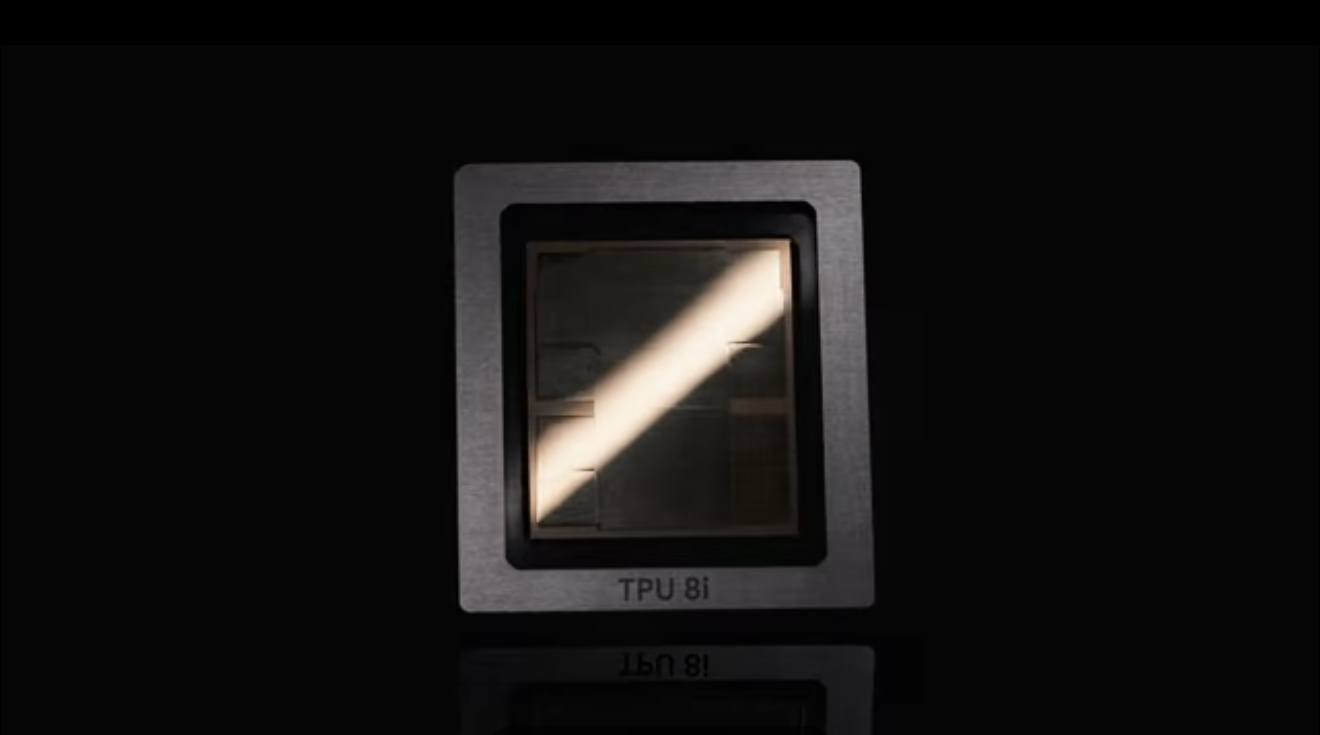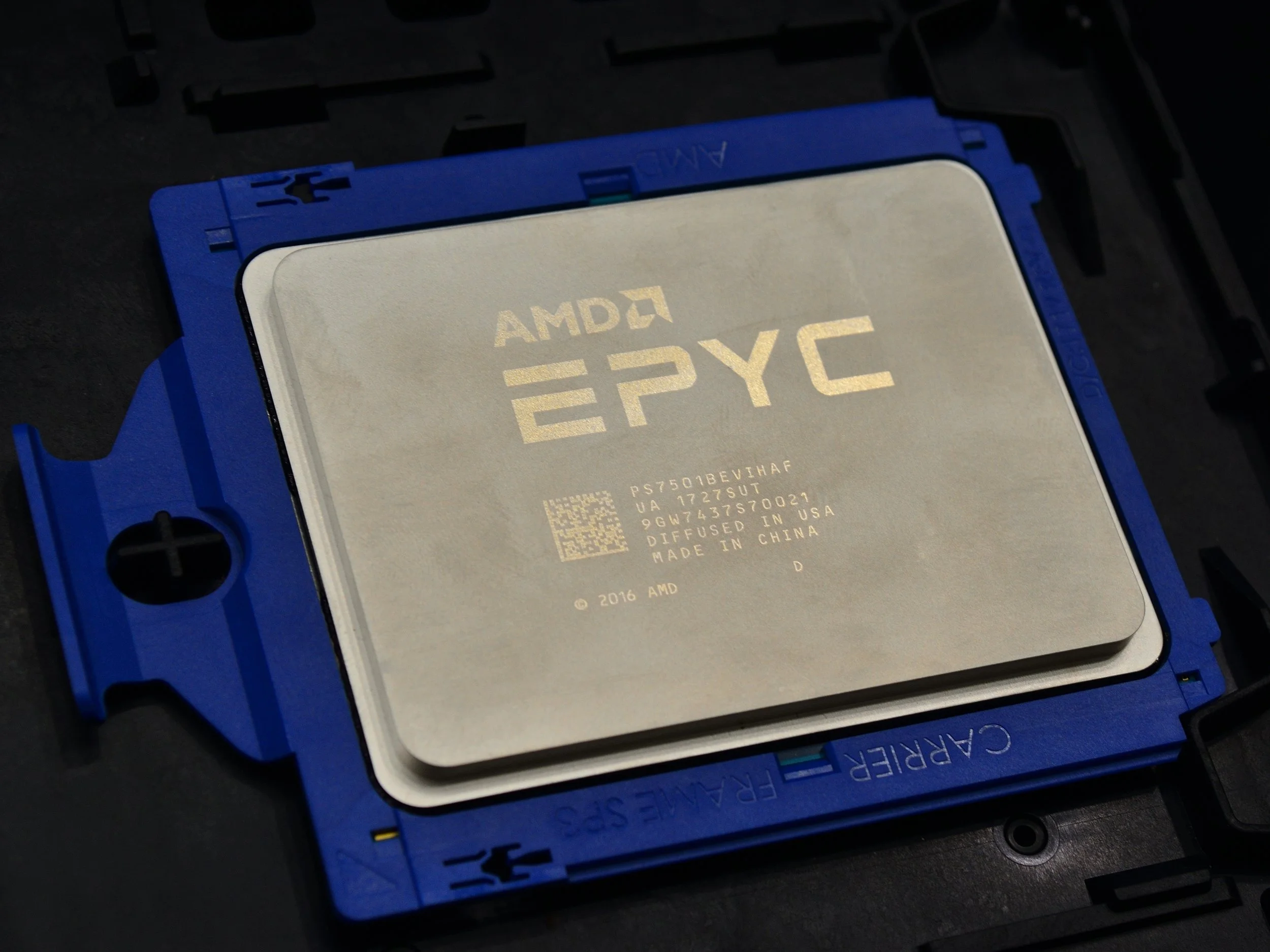
AMD announced the general availability of its sixth-generation EPYC SP7 server processors on November 10, bringing its Zen 6 architecture into a new round of data-center systems. The launch puts a familiar component back into the AI spotlight: the CPU, which handles much of the work surrounding an AI model’s response.
Read MoreGoogle introduced the Gemini Decisions API on November 11, giving developers a model built to choose between defined options rather than compose a conversational answer. Powered by Gemini Decision 1, the release puts attention on a less glamorous part of artificial intelligence: the many small judgments that determine what an application does next.

Read MoreThe finalized report sets out how organizations can move away from vulnerable cryptographic standards, with particular urgency for information that must remain confidential for years.
Read MoreGoogle’s AI chips are heading to Oracle’s cloud in 2027. The October 27 announcement gives developers another infrastructure option, with practical questions still to answer.
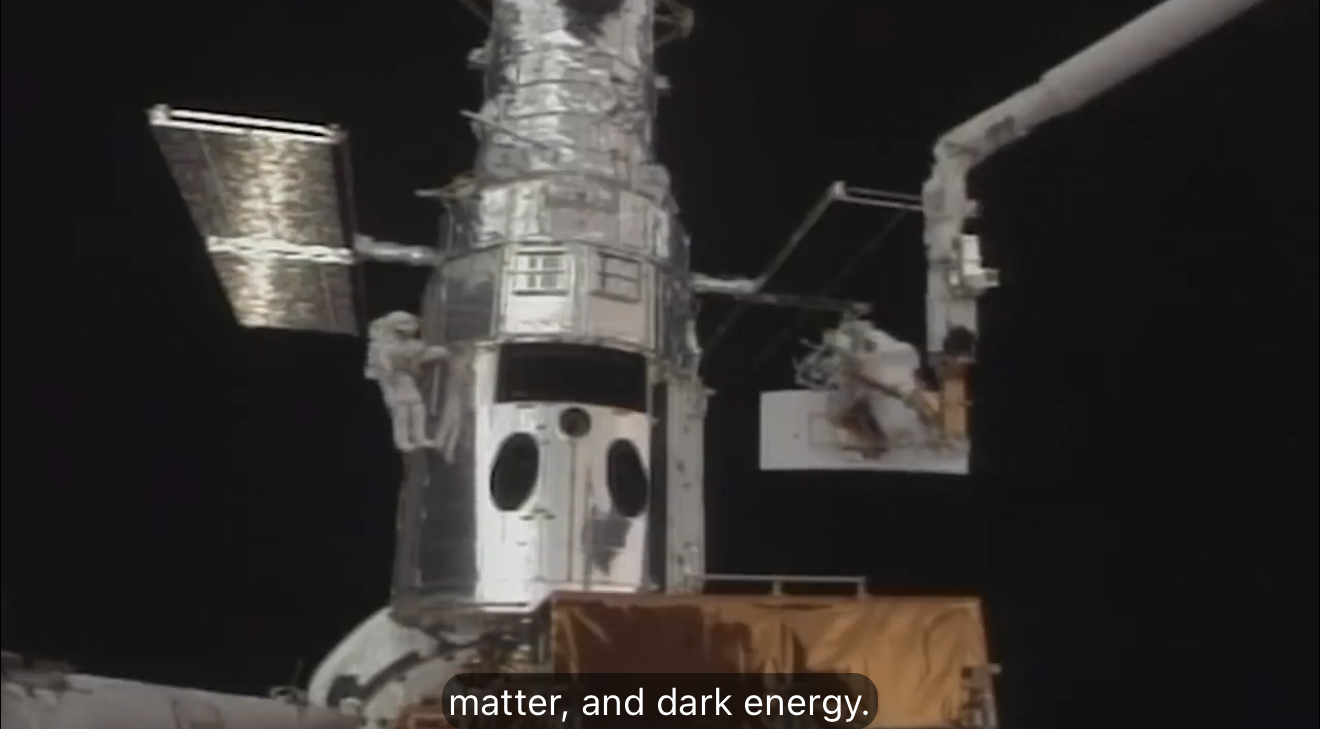
Read MoreHubble’s future may depend on a new kind of maintenance call. NASA is asking industry what it could do—not booking a repair mission.
Read MoreNASA’s CASALS prototype is pursuing a more complete three-dimensional view of forests and terrain. An October 21 technology update describes an airborne instrument that steers laser light by changing its wavelength, with further development still needed before a space-ready version.
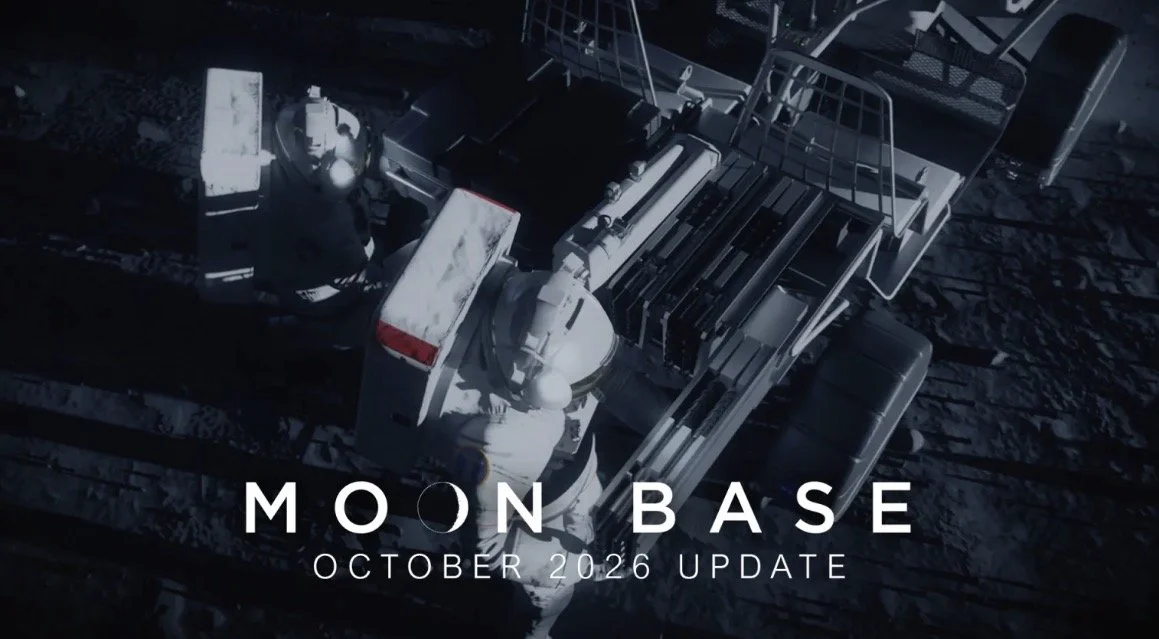
Read MoreNASA’s latest Moon Base update puts a practical question at the center of lunar exploration: how will people and machines get around? The agency’s October 20 progress report follows a group of rovers being developed to scout terrain, investigate resources and eventually carry astronauts across the lunar surface.
Read MoreThe latest warning is conditional: Iranian officials say communications infrastructure could become a target if Iran faces further attacks.
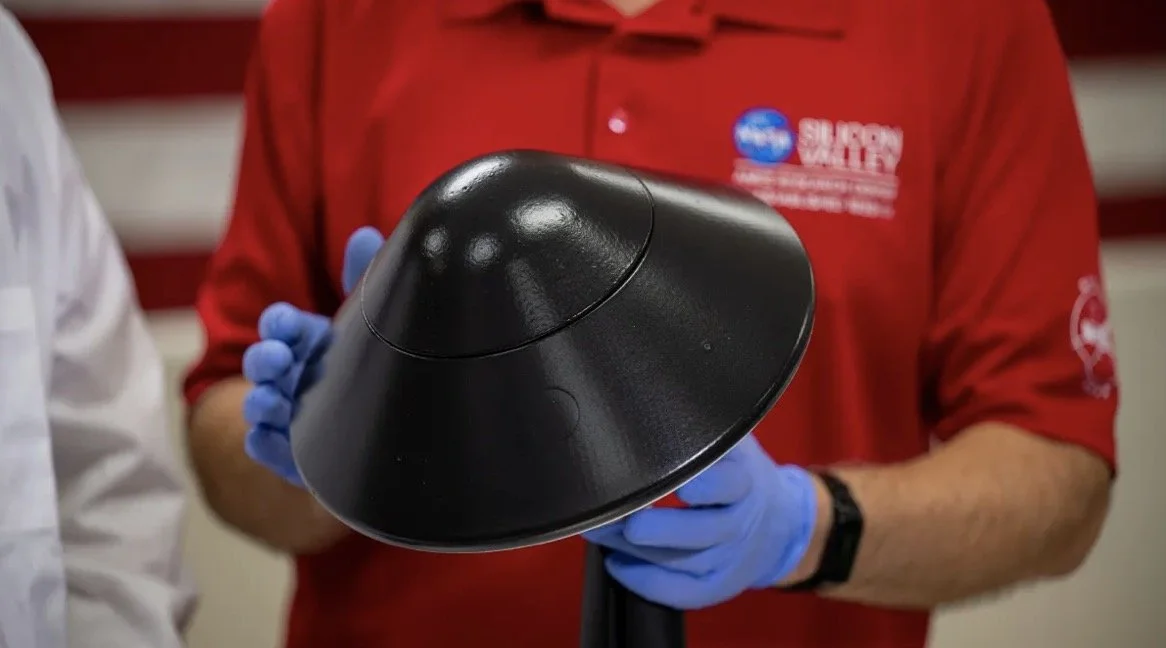
Read MoreA heat shield’s future may depend on how small it can fold. NASA’s October 9, 2026 update on KREPE-3 highlights a deployable design among experiments intended to improve atmospheric entry.
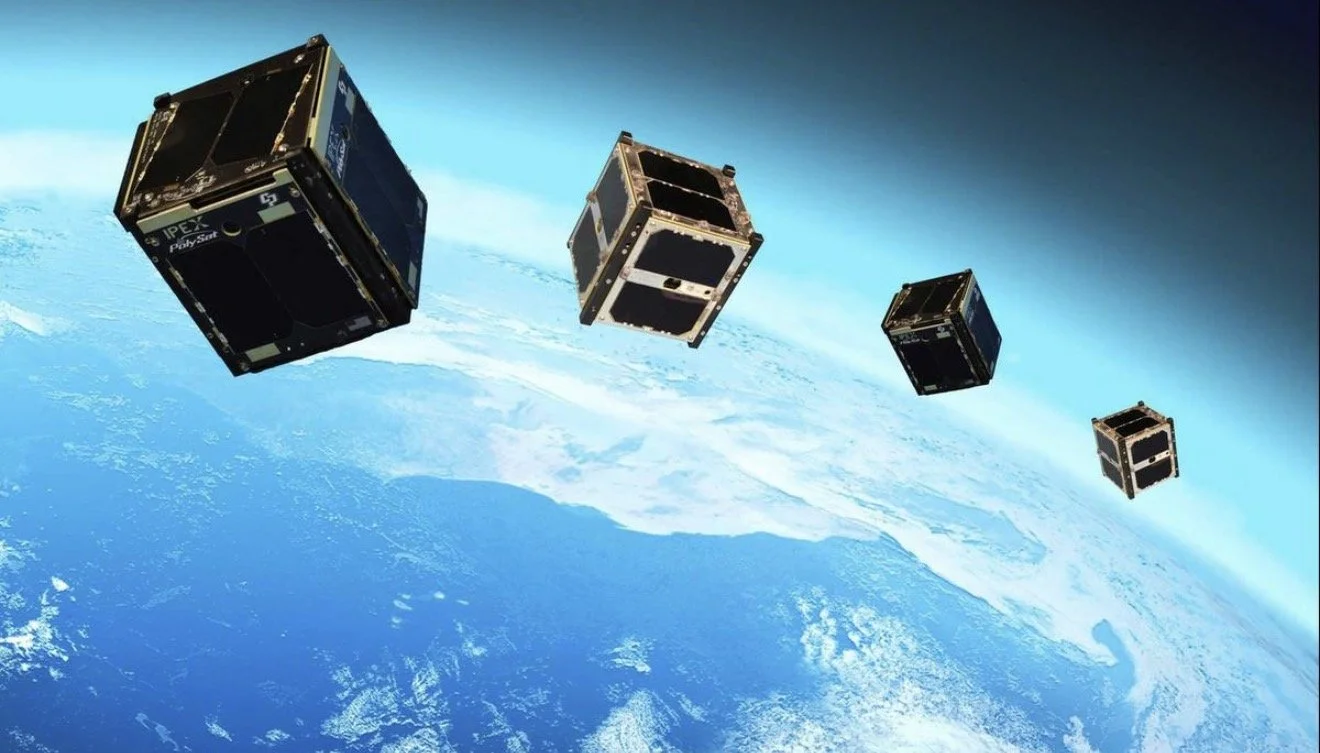
Read MoreTwo student-built CubeSats launched toward the International Space Station on October 13, carrying an idea larger than their compact frames: spacecraft can become a shared learning platform. The PROVES missions put open-source design and experimental radio communications into the same small package.
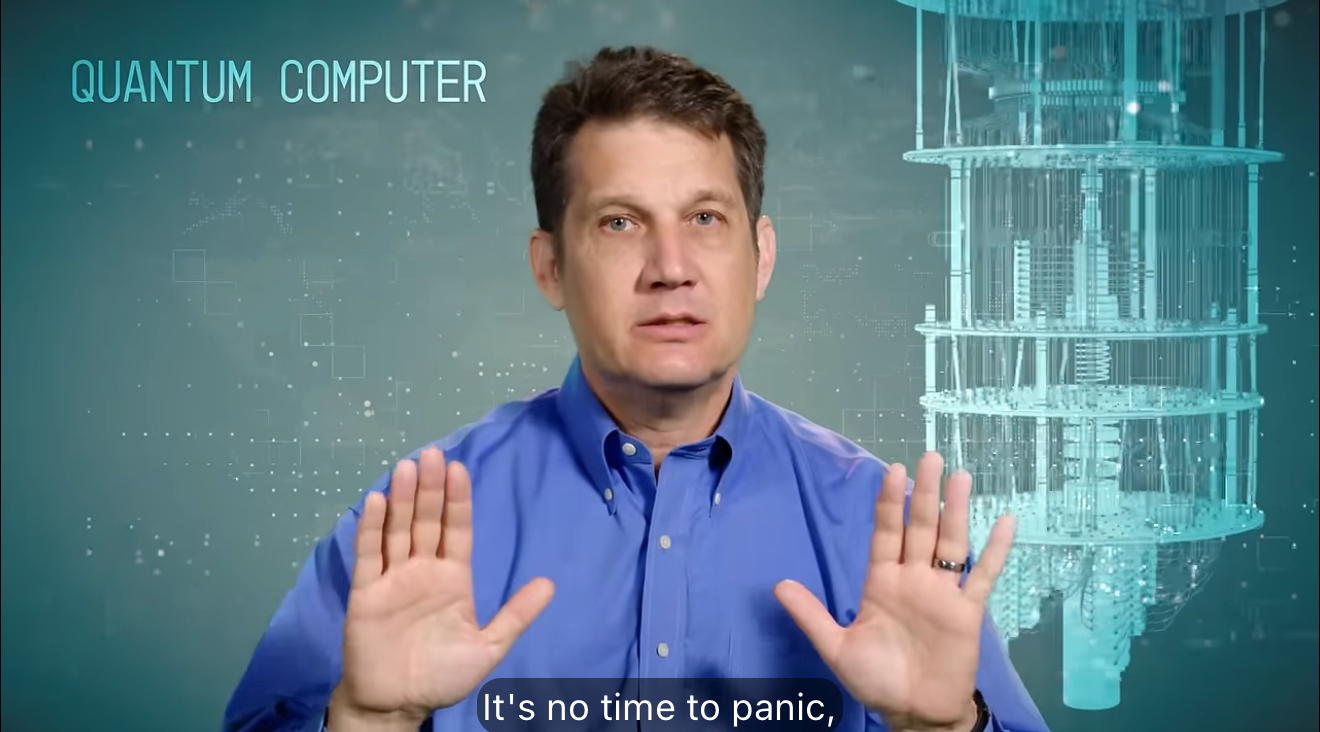
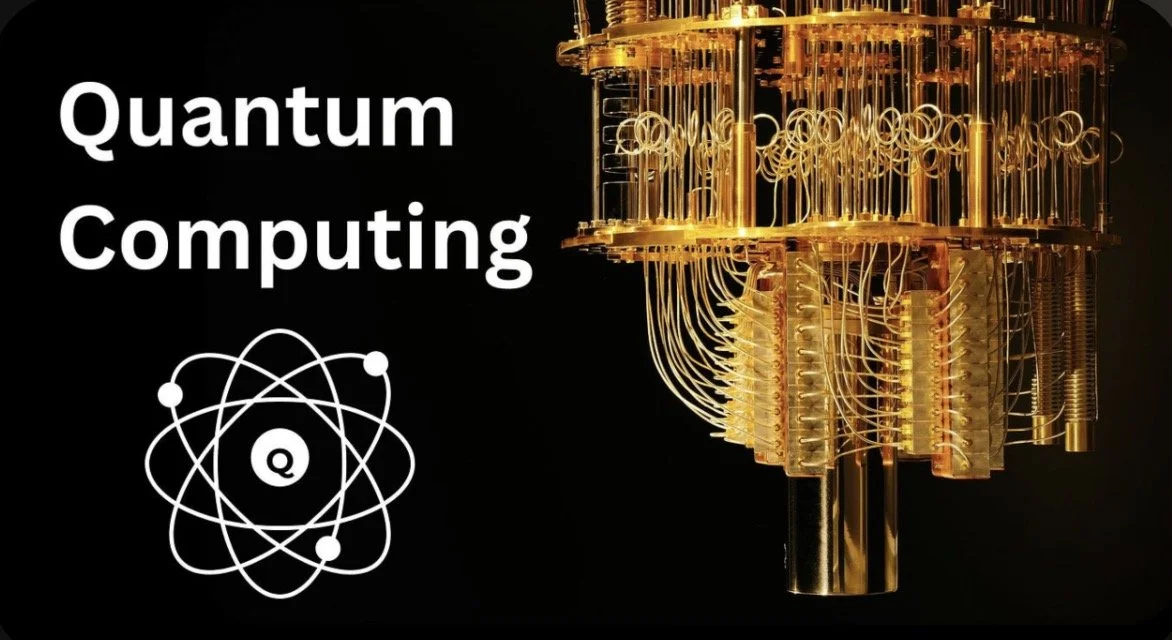
Read MoreDARPA’s October 7 quantum-computing announcement puts four more companies into its final verification stage. The next test is whether their hardware can support machines worth more than they cost.
Read MoreGoogle begins changing Gemini model access for personal accounts without an AI subscription today, October 9. The rollout gives everyday users a reason to check which model they can use and how their available usage is measured.
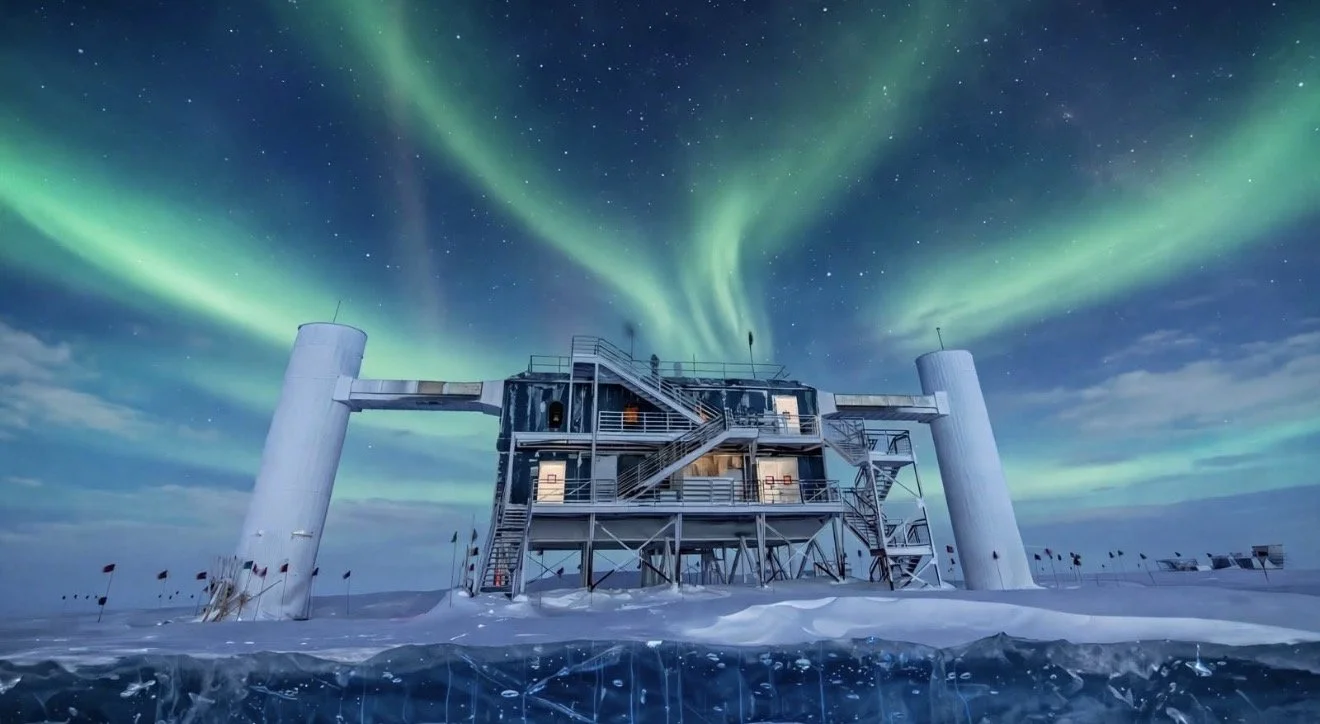
Read MoreFrancis Halzen has won the 2026 Nobel Prize in Physics for his contributions to IceCube and its discovery of high-energy neutrinos from beyond our solar system. Announced on October 6, the award honors a vision that turned a cubic kilometer of Antarctic ice into a telescope and opened a new way to study the universe.
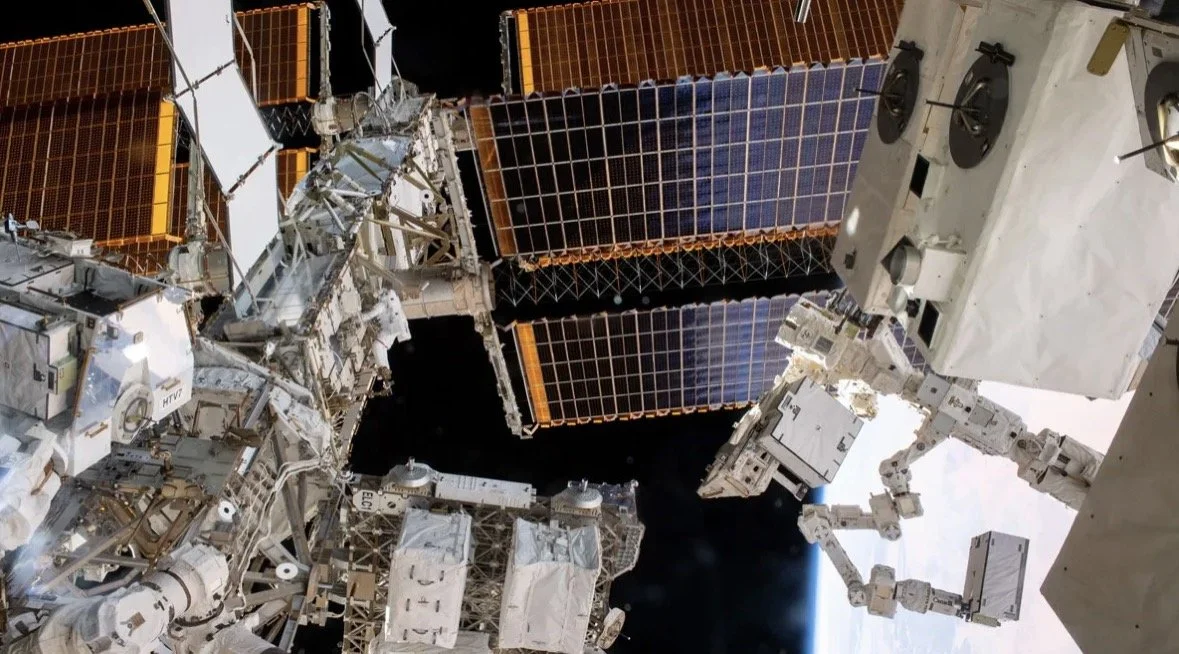
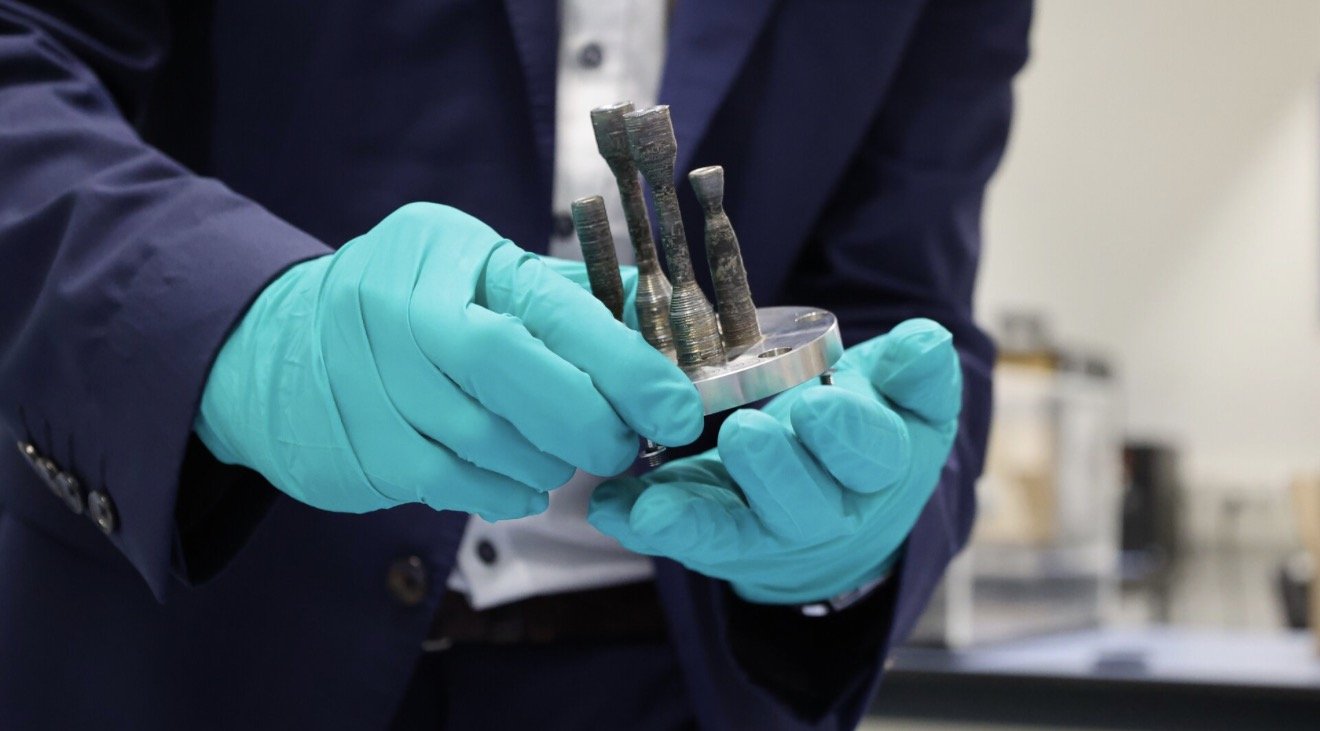
Read MoreMaking a metal object in orbit is a remarkable beginning. The harder question comes when that object has to do a job. ESA’s fifth metal sample printed aboard the International Space Station has returned to Earth carrying two DLR-designed experimental thrusters, the agency announced October 1. Now comes the engineering work that will determine what those small shapes can actually withstand.
Read MoreThe mechanical canine, named Spot by maker Boston Dynamics, got the attention of @bloodtear with his weird walk down a sidewalk in northern Ontario, Canada.
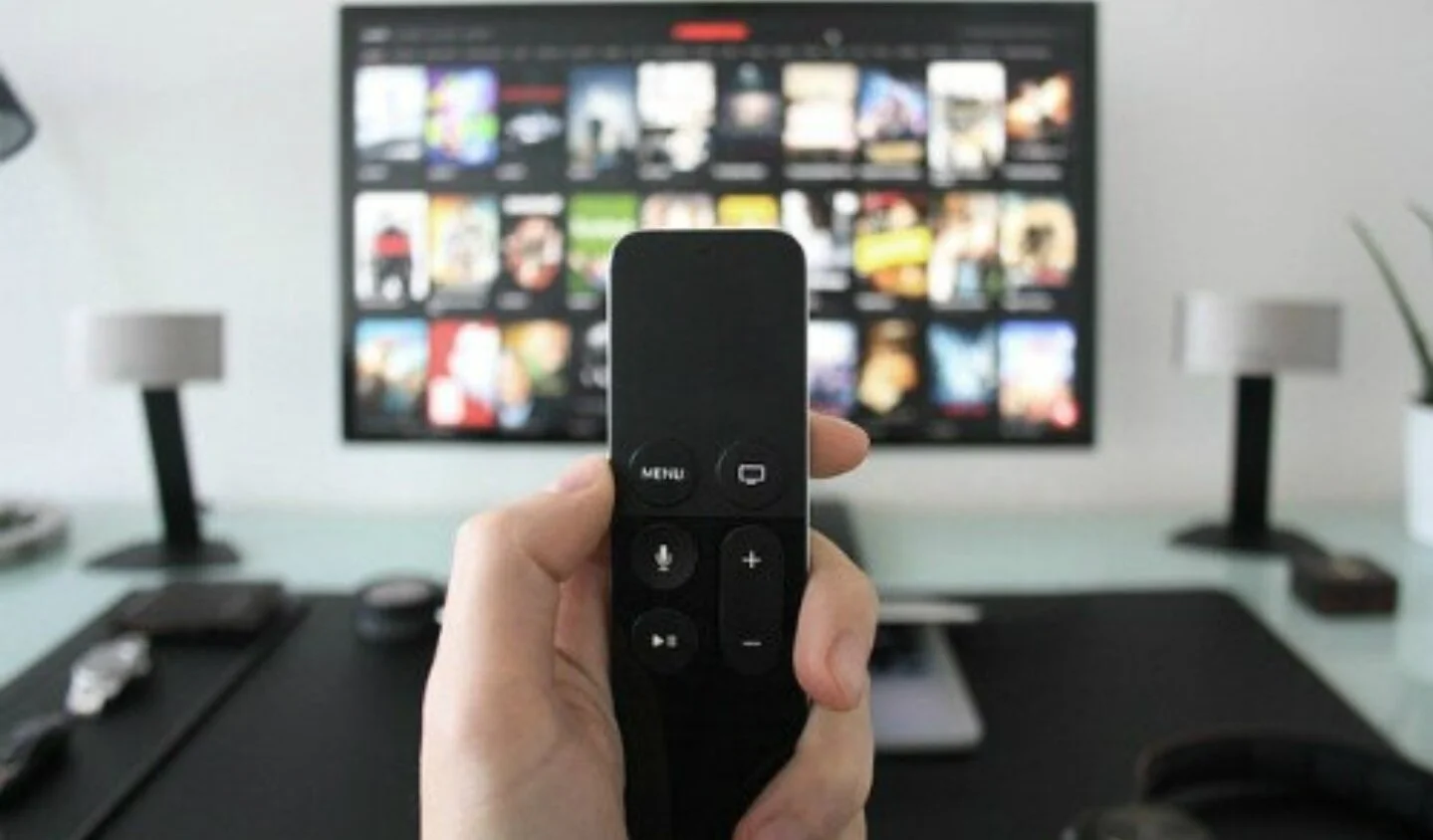
Read MoreThe most recent TVs are as a rule outfitted with worked in receivers and cameras, which enable clients to convey directions to the TV or by utilizing facial acknowledgment. With these new capabilities, in that lies the peril for customers and an open door for programmers.
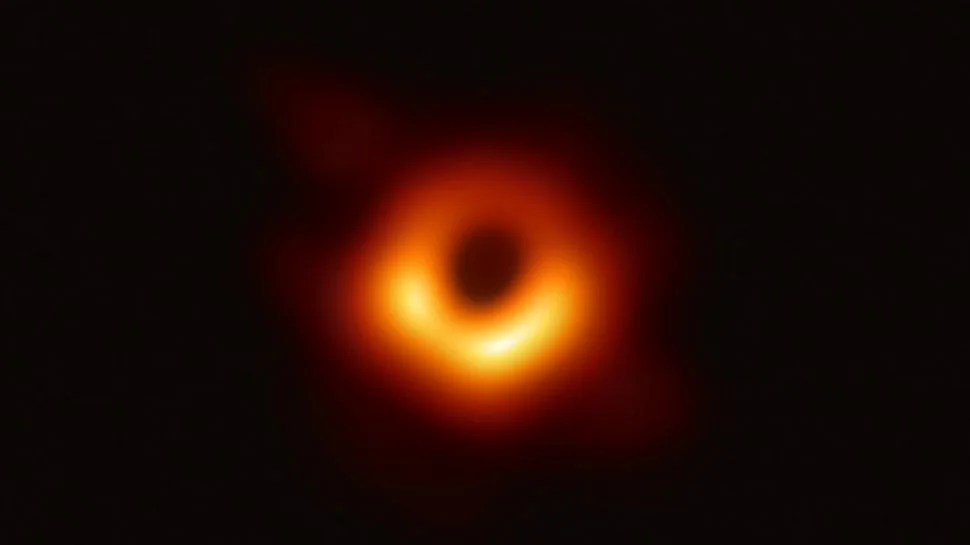
Read MoreA world-traversing system of telescopes called the Event Horizon Telescope focused in on the supermassive beast in the universe M87 to make this first-historically speaking image of a dark hole.
Read More"One in seven people around the world has some form of disability," Apple wrote in its proposition. "Adding emoji emblematic to users' life experiences helps foster a diverse culture that is inclusive of disability." Apple said it built up the proposed emoji in a joint effort with the American Council of the Blind and the National Association of the Deaf, among different association
Read More