
Día de Muertos and the Work of Keeping Someone Present
An ofrenda gives remembrance a place, a rhythm and a community.
Observed on November 1 and 2, Día de Muertos offers a way to consider how ofrendas, objects and shared rituals keep relationships present after a death.
The season carries specific histories. In its account of Mexico’s Indigenous festivities dedicated to the dead, UNESCO describes celebrations at the end of October and beginning of November, connected to the annual maize cycle. Offerings, flowers and candles participate in traditions concerning the return of deceased loved ones. These are descriptions of communities’ beliefs and practices, rather than evidence establishing what happens after death. UNESCO’s heritage account.
A particular person, remembered through things
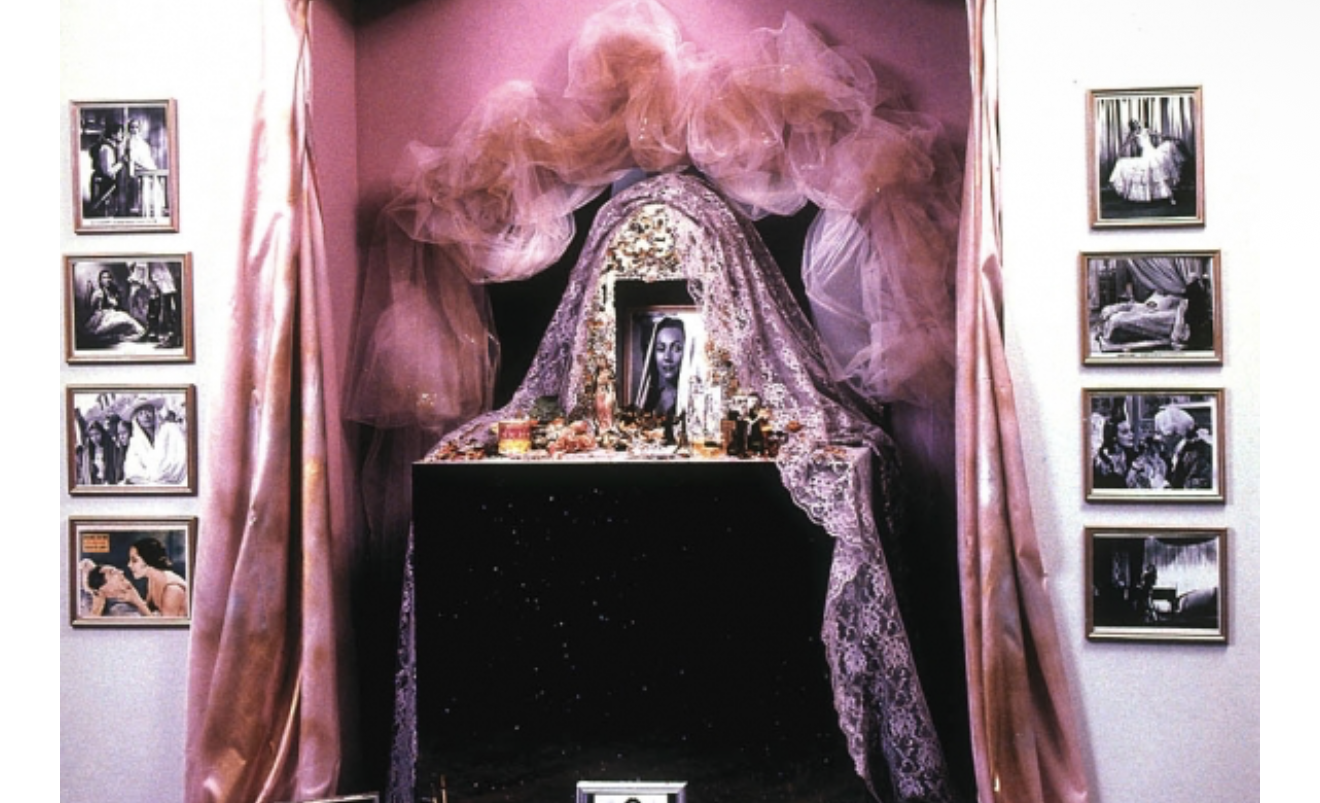
An ofrenda can hold a photograph, a familiar possession or food associated with someone who has died. The Smithsonian describes these temporary altars as arrangements of mementos and objects that honor individual lives. Its discussion of Amalia Mesa-Bains’ An Ofrenda for Dolores del Rio also shows how an artist can work within this language of remembrance. Smithsonian: An Altar for the Dead.
Consider the difference between saying that someone mattered and choosing an object that makes another person ask why. A photograph can prompt a name; a favorite dish can prompt a story about who cooked it, who disliked it or when it was served. The object gives a conversation somewhere to begin. Remembering becomes an activity people can participate in, including those too young to have known the person themselves.
That is an interpretation of what such an arrangement can make possible. A ritual’s meaning also belongs to the people who practice it, with religious commitments that cannot be reduced to a useful psychological technique.
Where does remembering happen?
The Stanford Encyclopedia of Philosophy’s discussion of memory examines a live philosophical question: whether remembering belongs entirely to an individual or can involve external resources and social relationships. Accounts of extended and collective memory differ, and the boundaries remain debated. Stanford Encyclopedia of Philosophy: Memory.
An ofrenda offers a concrete occasion to think about that question. The photograph alone does not tell every story. The person speaking does not carry every detail. Together, people and objects can support a richer act of recollection. This reading does not require claiming that an altar literally stores a consciousness or that a remembered person remains physically present.
It also requires attention to difference. Writing for the Smithsonian Center for Folklife and Cultural Heritage, scholar Norma Cantú emphasizes that Día de Muertos has changed across centuries and varies with geography, social circumstances and belief. A single decorative checklist cannot stand in for that history. Cantú on changing traditions.
An invitation to learn before borrowingThe National Museum of the American Indian in Washington, D.C., listed a free October 31 program from 10 a.m. to 5 p.m. Eastern. Its published programme described performances, demonstrations and an invitation to contribute photographs or mementos to an ofrenda, or names to a butterfly memorial arch. Official event details.
For readers elsewhere, the Smithsonian’s 2020 video The Meaning of Ofrenda features scholar and writer Xanath Caraza. It is an archival introduction, not footage of this year’s event. Watch through the Smithsonian’s video record.
Archival context: The Meaning of Ofrenda, Smithsonian Latino Center, October 31, 2020. Scholar and writer Xanath Caraza introduces the tradition; this is not footage of the October 31, 2026 program.
The question worth carrying into the season is modest: what do we do, together, to keep a particular life from becoming an abstraction? Sometimes the answer begins with making room for a photograph, then staying long enough to hear its story.
More related articles to read from this panel!
Also check out our current magazine ‘The Aftermath’ Issue & other publications we’ve released below.

DOSSIER Mining releases in retrograde 'In the Land of Chromatica' with Lady Gaga's Designer Xtian de Medici, Keren Wolf, FX Pose's Naomi Cruz honoring the life of Grandfather Hector of House of Xtravaganza as our 1st cover story & Award Winning Anna Schollerova from Nora K's Whisper Naked Shadow TV mini-series and much much more!! The DOSSIER Mining compared to 'The Aftermath' issue, & others before it, is elevated reaching a better and truer essence of the Cyclolore Brand from many aspects & will so moving forward.
What exists may depend, in part, on how we ask the question. The published abstract for David Liggins’s October 26 lecture at the Aristotelian Society offers a demanding invitation: examine the language used to describe reality before deciding what belongs in it.