
Creepy Spiderweb Discovered Big Enough to Catch 'Human Prey'
Creepy crawler lays out disturbing ‘human sized’ spiderweb impeccably within the Halloween season
A Missouri Department of Conservation worker snapped a photo of a tremendous spiderweb, and the office's online media supporters really wanted to remark on its creepy appearance.
Media authority Francis Skalicky shot the photograph on a path close to Springfield as of late, as indicated by the office, which posted the picture on its Facebook page on Wednesday.
The mind boggling, round web was built between two trees, and the photograph's viewpoint makes it look monstrous. The web was made by a circle weaver insect, a 8-legged creature known for its many-sided website architectures.
They are enormous in size - roughly a half-inch for females - and are normally bushy or textured, as per the office's site. The creepy crawlies help to control the number of inhabitants in flies and other irritating bugs, yet that is not the primary thing that rings a bell.
While these insects are very normal, it unquestionably gets Halloween fans in the temperament for the season.
ORBWEAVER SPIDERWEB: MDC Media Specialist Francis Skalicky snapped a pic of the orbweaver's spiderweb while out on a...
Posted by Missouri Dept. of Conservation on Wednesday, September 30, 2020
Also check out our current Publication “DOSSIER Mining” available now!

DOSSIER Mining releases in retrograde 'In the Land of Chromatica' with Lady Gaga's Designer Xtian de Medici, Keren Wolf, FX Pose's Naomi Cruz honoring the life of Grandfather Hector of House of Xtravaganza as our 1st cover story & Award Winning Anna Schollerova from Nora K's Whisper Naked Shadow TV mini-series and much much more!! The DOSSIER Mining compared to 'The Aftermath' issue, & others before it, is elevated reaching a better and truer essence of the Cyclolore Brand from many aspects & will so moving forward.
Related Stories to read next from this featured panel!
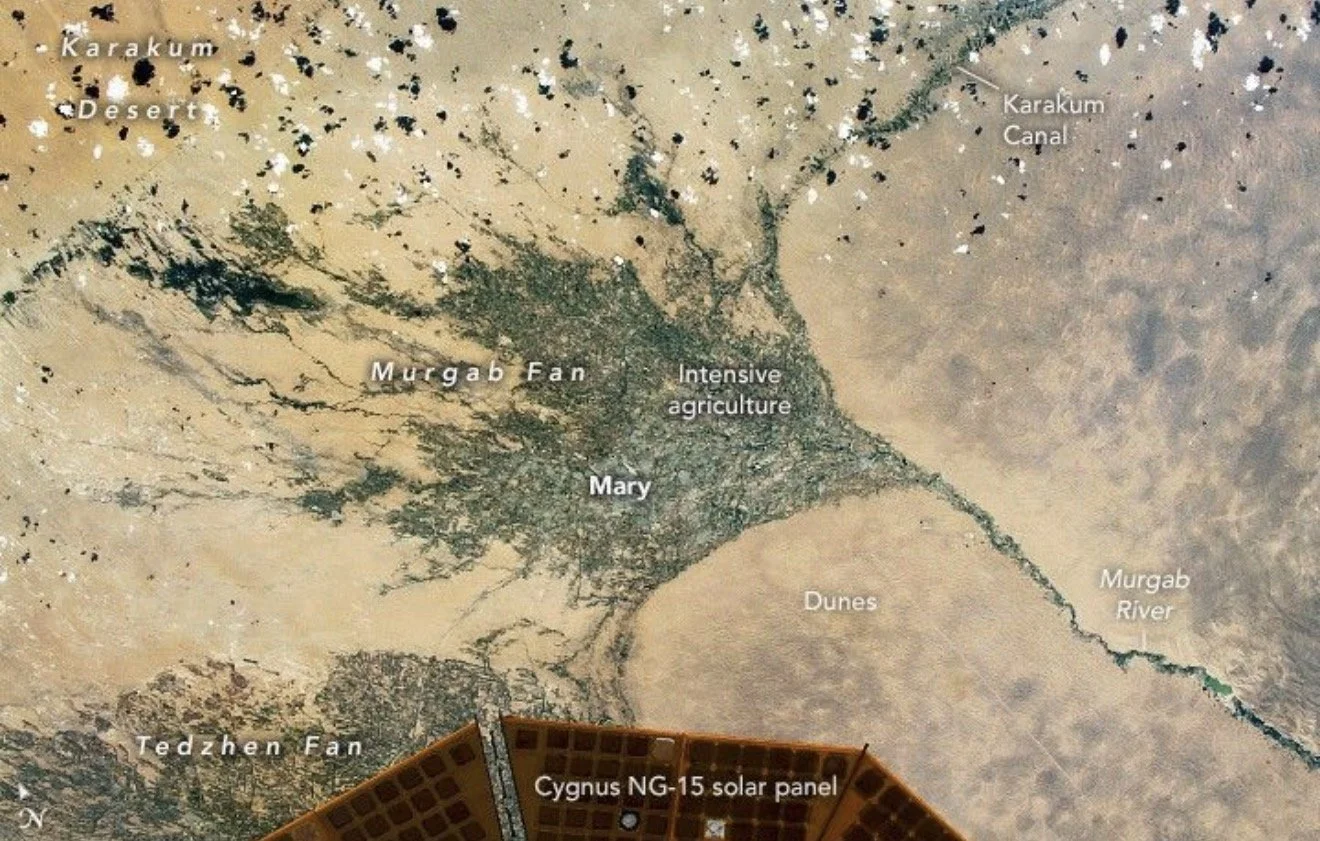
A new look at Earth’s water storage makes human activity harder to leave out of the picture. Highlighted by NASA on October 20, a satellite-gravity study brings irrigation, reservoirs and land-use changes into sharper focus, showing why a water map needs more context than a record of rain.
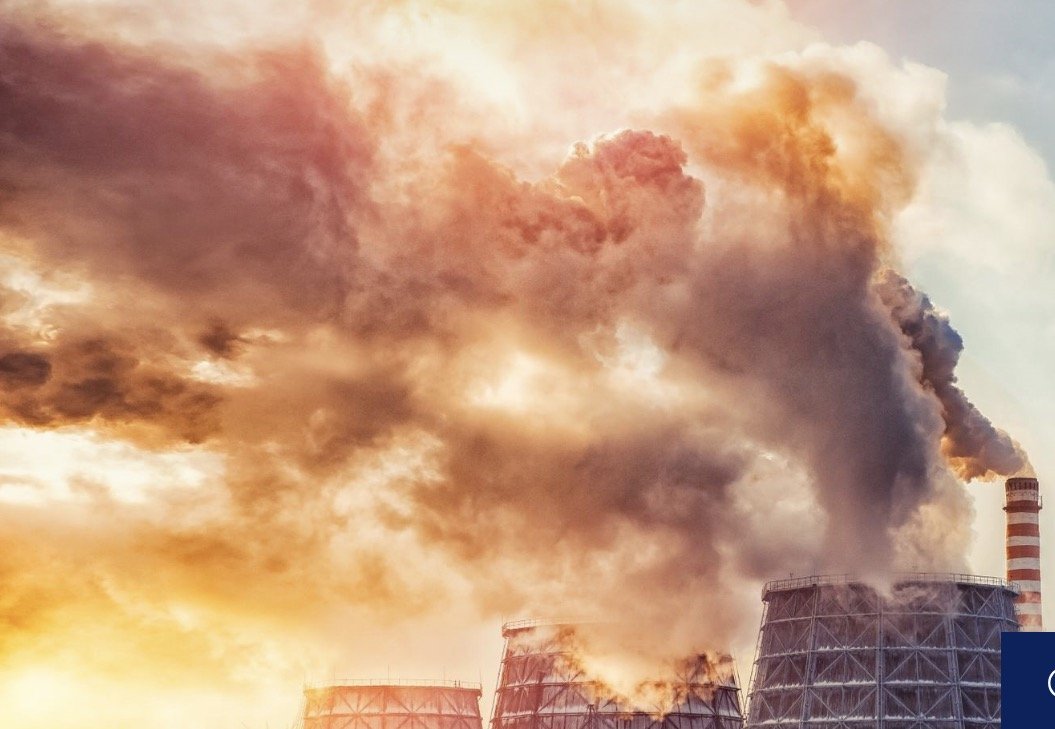
New research estimates that summer heat contributed to more than 50,000 deaths across 854 European urban areas in 2026. The findings put the design of homes, streets and public services firmly inside the climate conversation.
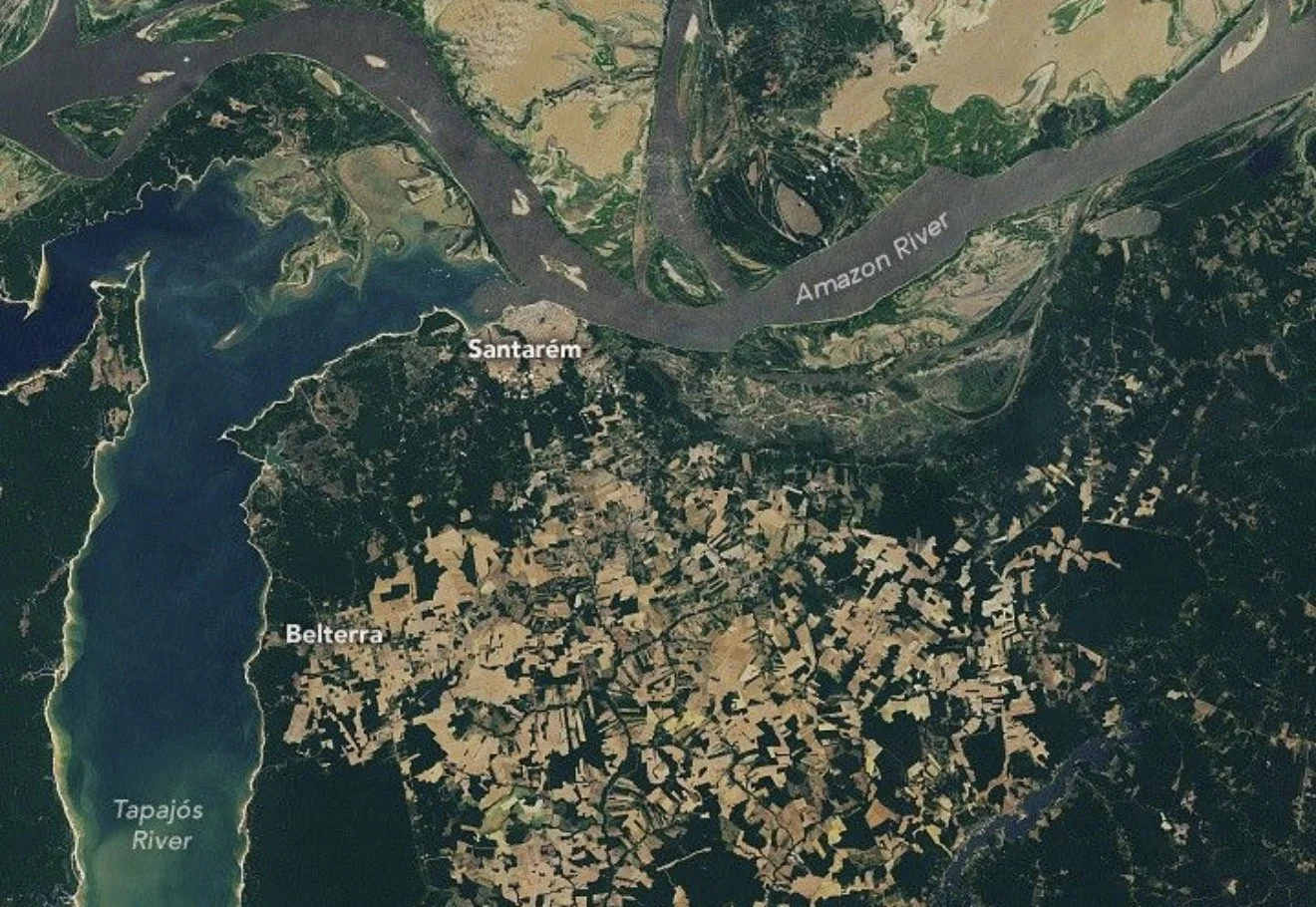
Smoke can make a fire harder to count. NASA’s October 15, 2026 account of burning in the Amazon shows why satellite detections need careful interpretation, especially beneath clouds and forest canopy.
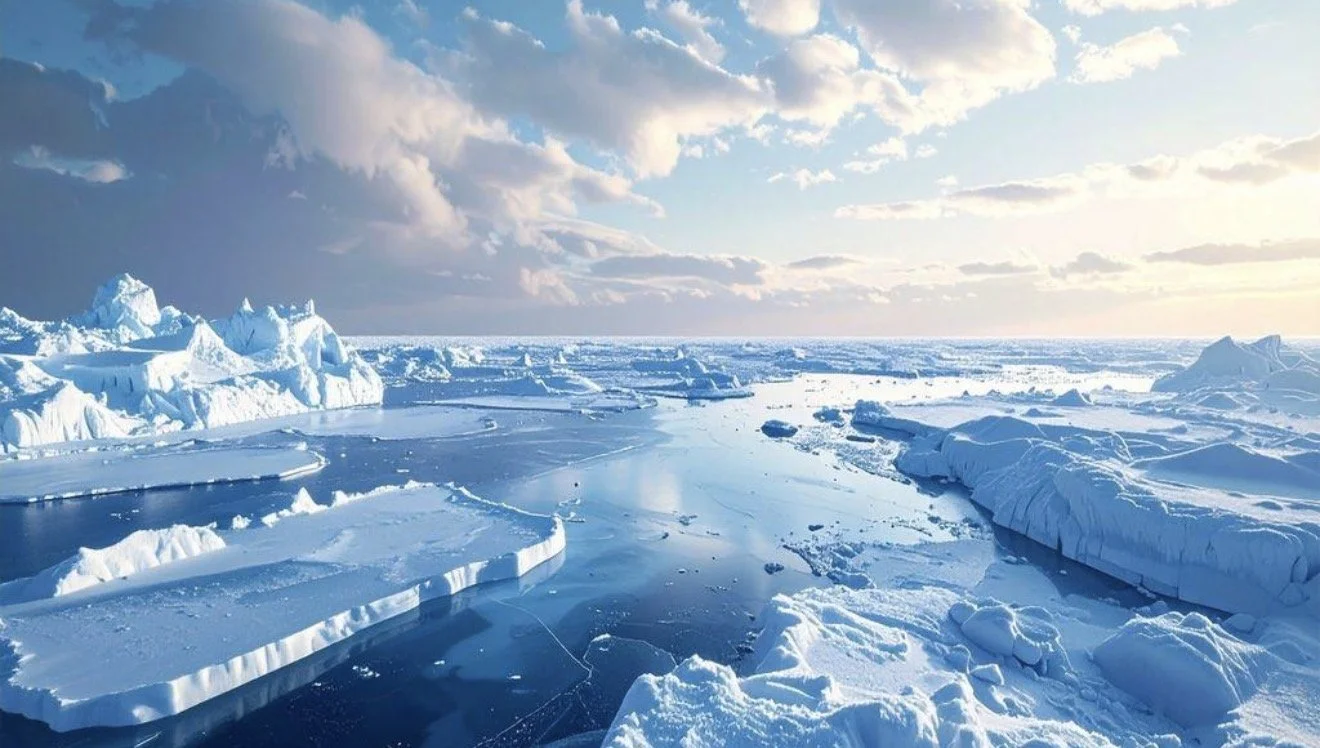
Antarctic sea ice reached its third-lowest winter maximum in the satellite record in 2026, according to NASA’s October 12 update. The finding turns attention to the ocean around the continent, where the size of the seasonal ice cover tells an important, carefully measured story.

September 2026 was the second-warmest September in the ERA5 record, according to Copernicus’s latest update. Its 1.63°C rise above pre-industrial levels is a serious signal, but a single month does not measure the Paris Agreement’s long-term temperature limit.
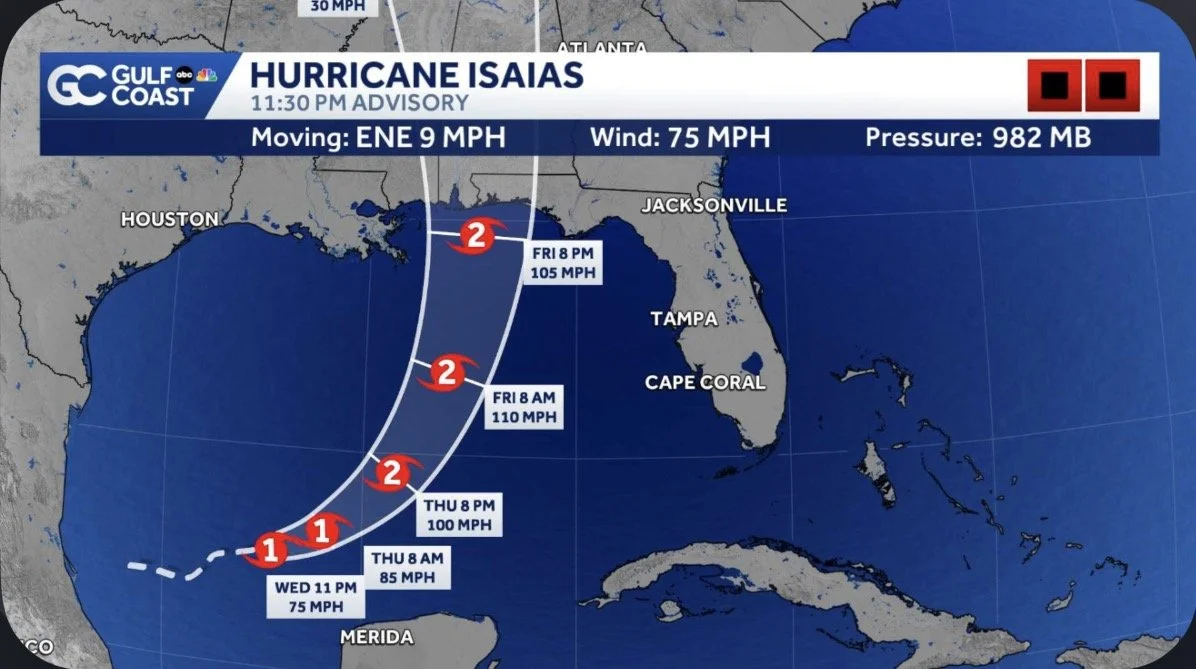
Hurricane Isaias remained a major hurricane on October 9, with sustained winds of 120 mph in the National Hurricane Center’s 10 a.m. CDT advisory. The NHC expected its center to reach the western Florida Panhandle coast this evening, with dangerous winds and life-threatening storm surge threatening the region.
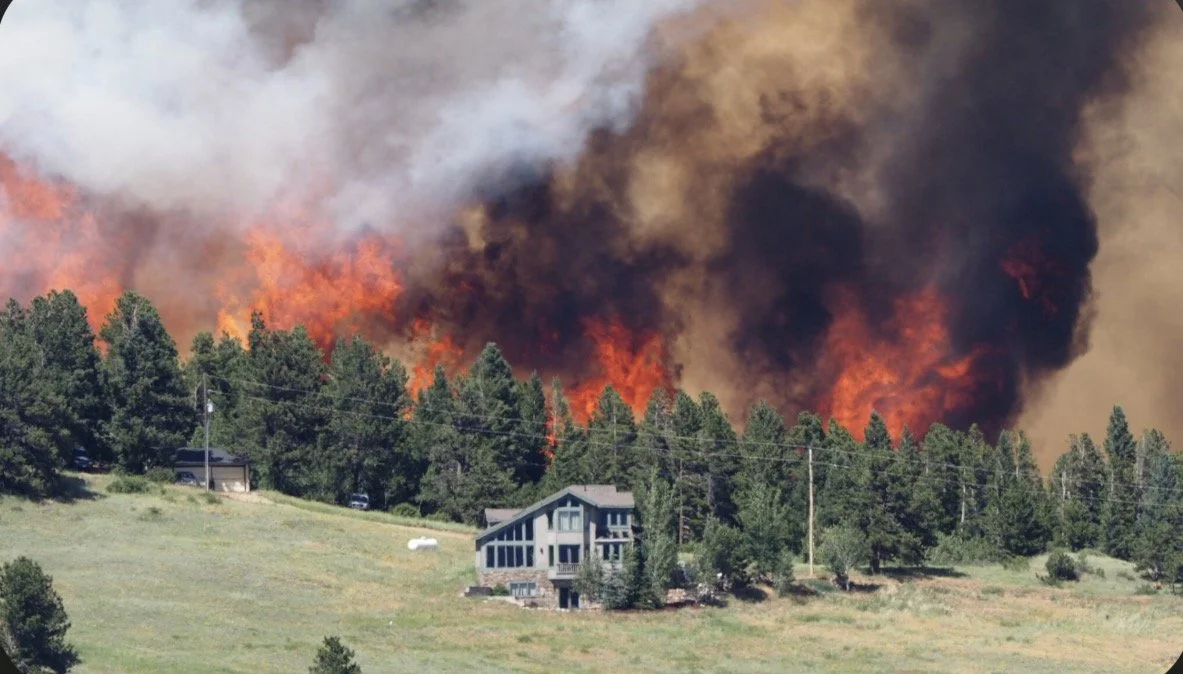
Boulder’s attempt to make ExxonMobil and Suncor help pay for climate damage reached the U.S. Supreme Court on October 5. The justices are considering whether federal law blocks the Colorado communities’ state-law claims, a threshold fight with consequences far beyond one county.

The symbol chosen for this year’s UN biodiversity conference is a butterfly. Inspired by an Armenian species, the COP17 identity brings together the framework’s 23 targets in a single colourful image. It is an inviting introduction to a difficult assignment: finding out what the world’s commitments to nature are actually delivering. The Convention on Biological Diversity’s explanation of the design connects the butterfly with transformation and collective action.
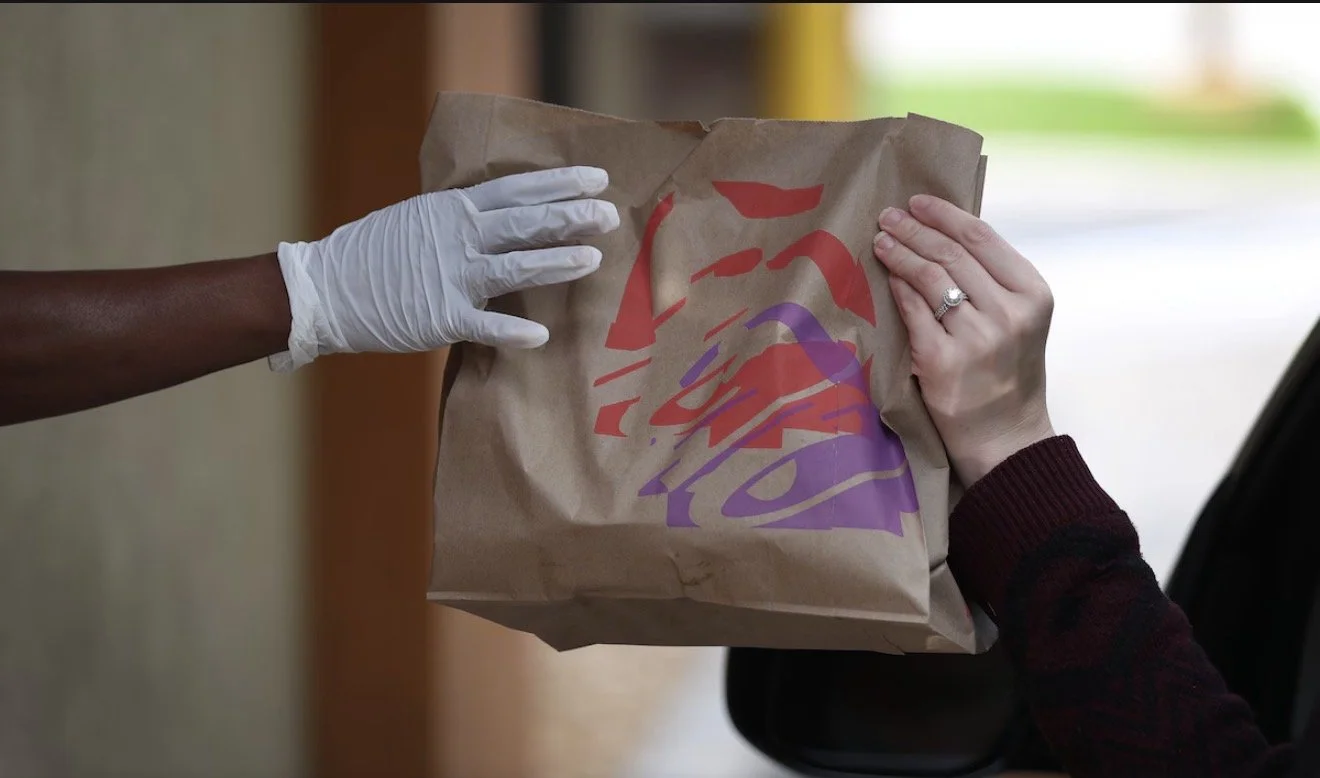
Most people become infected by eating or drinking something contaminated with the parasite.
Commonly implicated foods include:
Leafy greens
Lettuce
Cilantro
Basil
Raspberries
Other fresh produce

Deadly wildfires raging in Hawaii have forced evacuations and knocked out electricity to thousands, fuelled by a combination of land and atmospheric conditions known as "fire weather." A major fire burned much of the ancient town of Lahaina on Maui, forcing some residents to flee into the bay for safety.
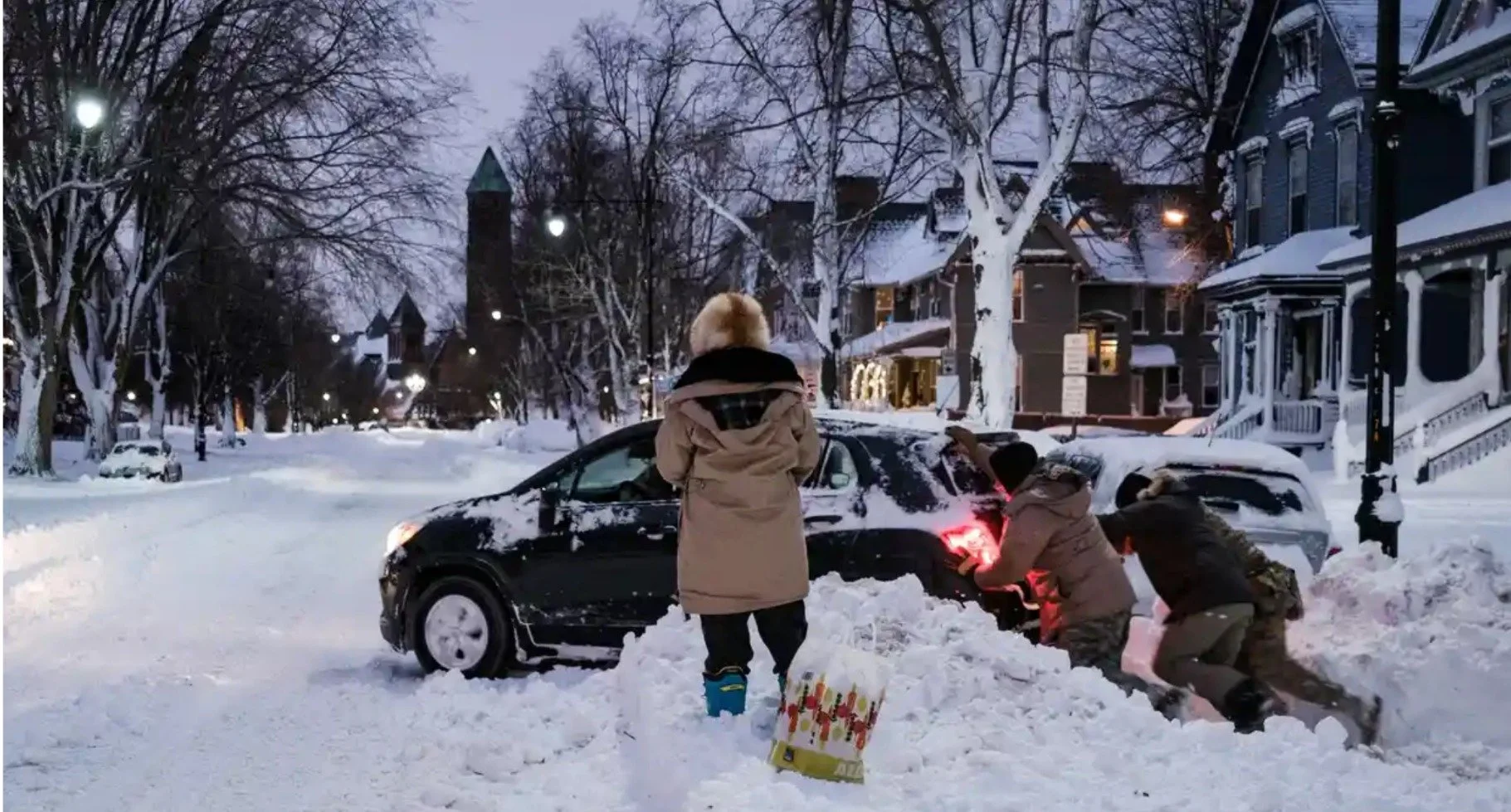
“My heart is with those who lost loved ones this holiday weekend. You are in my and Jill’s prayers,” Biden said in a Twitter message prior in the day. “Anyone who declares victory and says that it’s over, it is way too early to say,” Hochul said, adding, “The storm is coming back, we’re expecting another six to 12 inches.”

It is now evident that humans have steadily developed due to the excesses of energy sources at our disposal during this current period. Since the period of industrialization, living standards have improved due to a surplus in products. Industries were reliant on fossil fuels such as coal and oil to drive machines in industrial production.

Dark licorice may look and possess a flavor like a blameless treat, however this candy has a clouded side. It was accounted for that dark licorice was the guilty party in the passing of a 54-year-elderly person in Massachusetts. How could this be?

They are enormous in size - roughly a half-inch for females - and are normally bushy or textured, as per the office's site. The creepy crawlies help to control the number of inhabitants in flies and other irritating bugs, yet that is not the primary thing that rings a bell.

It was shaped during the last three major occasions – the Huckleberry Ridge emission 2.1 million years prior, the Mesa Falls ejection 1.3 million years back and the Lava Creek emission roughly 630,000 years prior. The region is continually observed by the United States Geological Survey (USGS) for signs an ejection is in transit, yet science essayist Bryan Walsh portrayed what could occur later on.
New Guinea’s fire season is drawing renewed attention as drought and smoke spread across the island. NASA’s October 22 report describes unusually high fire emissions on both its Papua New Guinean and Indonesian sides, bringing the consequences of a dry landscape into sharper focus.