
Earth’s Water Map Is Showing More of the Human Fingerprint
A sharper water map reveals how human decisions reshape what the ground holds.
A new look at Earth’s water storage makes human activity harder to leave out of the picture. Highlighted by NASA on October 20, a satellite-gravity study brings irrigation, reservoirs and land-use changes into sharper focus, showing why a water map needs more context than a record of rain.
The research, published in PNAS on September 14, examines changes from April 2002 through November 2025. Researchers identified 40 regions where water-storage trends had significant spatial associations with human activities. Across those regions, cumulative losses exceeded gains. The new NASA feature is timely, but the underlying paper was published last month, not yesterday.
How gravity becomes a water map
The GRACE Follow-On mission continues a record of changing mass that includes underground water, lakes, rivers, glaciers and ice sheets. This is a different view of the planet from a photograph of a shrinking reservoir. It follows changes in stored mass, including water that cannot be seen directly at the surface.
As NASA’s October explanation describes, paired satellites respond to small differences in gravity as they pass over areas with different amounts of mass. Precise measurements of their changing separation help scientists infer where water has accumulated or disappeared. The new analysis combines many years of observations to sharpen the long-term geographic picture.
There is a tradeoff: the analysis gains spatial detail while giving up some temporal detail. It can make a long-running regional change clearer without providing an equally detailed account of exactly when every part of that change happened. A sharper map should not be mistaken for a day-by-day record.
A gain is not automatically good news
The paper connects different patterns to different activities, including groundwater irrigation, rainfed agriculture and reservoir filling. Its regional trend estimates are, on average, 33 percent larger in magnitude than estimates from the traditional monthly-data approach used for comparison. That is a finding about the analysis of regional trends, not a claim that every place has suddenly lost a third more water.
These distinctions matter when a global map meets a local story. A region gaining stored water is not automatically a model of healthy water management. A reservoir can redistribute water, and a land-use change can alter where it remains. The color of a map alone cannot tell readers whether water is clean, accessible or shared fairly. Those questions require additional evidence.
The history behind the sharper picture
This investigation builds on an established effort to distinguish climate variability from human influence. In its 2018 account of freshwater change, NASA described researchers combining GRACE observations with precipitation records, land-cover information, irrigation maps and published reports. The satellite measurements supplied the broad pattern; other evidence helped explain it.
That earlier work also described how drought and pumping can interact. Less replenishment and greater withdrawals may happen together, making a simple choice between a weather story and a human story misleading. The newer study improves the geographic picture, but it does not remove the need for that careful interpretation.
The strongest takeaway is a reading habit: ask what kind of water is changing, over what period and alongside which human decisions. Satellite data can reveal a pattern that deserves attention. Understanding what to do about it still requires the detail of a place. A better map makes those questions more precise; it does not answer all of them for us.
Also check out our current Publication “The DOSSIER Mining” Issue available now!
DOSSIER Mining releases in retrograde 'In the Land of Chromatica' with Lady Gaga's Designer Xtian de Medici, Keren Wolf, FX Pose's Naomi Cruz honoring the life of Grandfather Hector of House of Xtravaganza as our 1st cover story & Award Winning Anna Schollerova from Nora K's Whisper Naked Shadow TV mini-series and much much more!! The DOSSIER Mining compared to 'The Aftermath' issue, & others before it, is elevated reaching a better and truer essence of the Cyclolore Brand from many aspects & will so moving forward.
Related Stories to read next from this featured panel!
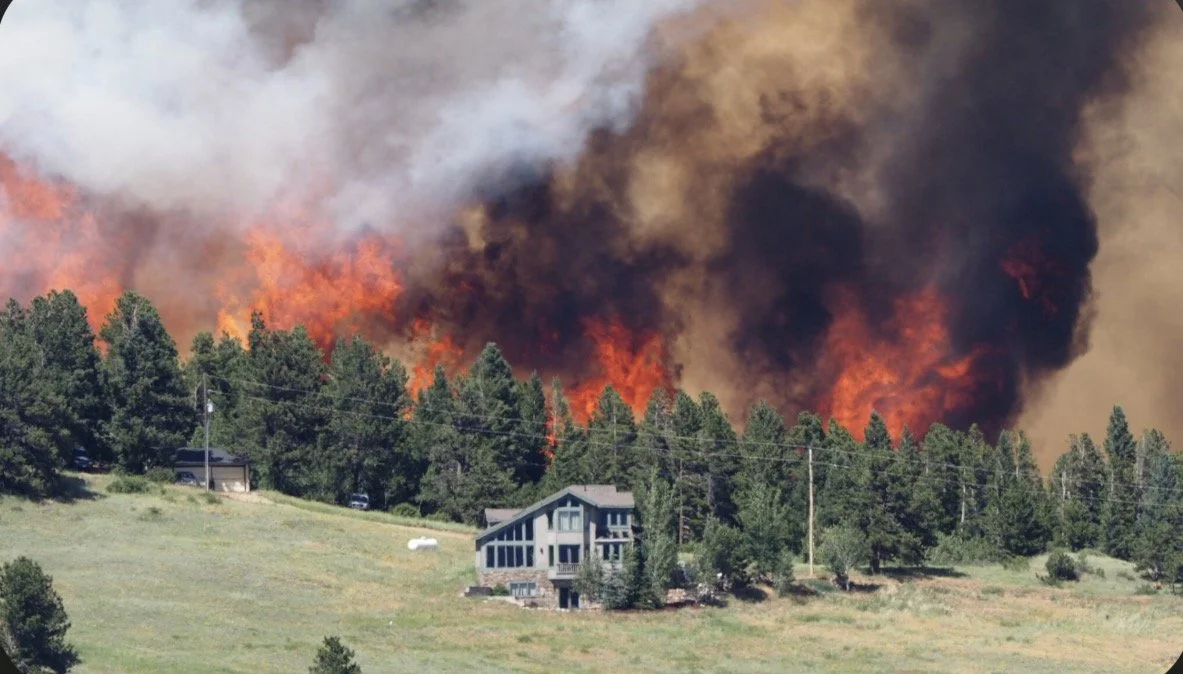




New Guinea’s fire season is drawing renewed attention as drought and smoke spread across the island. NASA’s October 22 report describes unusually high fire emissions on both its Papua New Guinean and Indonesian sides, bringing the consequences of a dry landscape into sharper focus.