
After the Runway: The Second Life of a Couture Look
Paris turns the spotlight toward the hands that keep fashion alive, long after the final walk.
A memorable look can own a runway in seconds. The sweep of a skirt, the tension of a silhouette, the way a garment catches light: everything conspires to make the moment feel inevitable. What happens afterward deserves its own spotlight. Someone has to make sure the object survives the image.
At the Musée des Arts Décoratifs in Paris, Look: 40 Years of Fashion at the Museum follows that longer story. Open through April 4, 2027, the exhibition marks four decades since the Musée des Arts de la Mode opened within the institution, gathering 40 iconic outfits to explore fashion’s life inside a museum.
The premise carries us from a designer’s initial idea through the workroom, photography and presentation, then into the care of a collection. Sketches, embroidery samples and patterns help explain how a look comes into being. Documentation, storage, restoration and display reveal how it remains available for another generation to encounter.
The museum’s exhibition presentation includes a 1938 Madeleine Vionnet design previously shown in its 2009 retrospective. That connection is especially fitting. The earlier Madeleine Vionnet, puriste de la mode exhibition examined 130 designs dating from 1912 to 1939 and emphasized her command of bias cutting and draping. Her work invites attention to the relationship between cloth and the body, where construction can create an extraordinary impression of ease.
A photograph can preserve that impression, but it cannot carry every answer. How does the fabric fall when viewed from the side? Where does a seam redirect its weight? How is a complicated shape supported? A surviving garment gives future designers and viewers something tangible to question. Its value grows when the evidence of its making remains legible.
The institution’s published conservation account of a Renaissance leather garment offers a concrete example of the judgment involved. Conservators stabilized fragile remnants of silk lining so that the piece could be handled and mounted. They chose to retain some wear and localized dirt because these did not threaten its long-term preservation and belonged to its material history. Environmental precautions and a custom storage box became part of its continuing care. This is a separate conservation case, rather than a claim about the LOOK checklist, but it makes the backstage labor easier to understand.
That kind of decision gives the phrase “second life” substance. Bringing a garment into a collection creates responsibilities: to its materials, to what is known about it and to what someone might discover later. A visible trace of use can carry information. A beautiful display can also raise practical questions about how much strain a delicate piece should bear. The glamour arrives with an obligation to look carefully.
For fashion lovers, that is an absorbing shift in perspective. We are accustomed to asking who designed a look and who wore it. This exhibition’s premise adds another question: who makes it possible for us to keep seeing it? The answer broadens the creative team to include the people who study, protect and present the work.
LOOK opened September 30, 2026, at 107 rue de Rivoli. Arrive curious about the silhouette, then follow the decisions behind its survival. Fashion’s most compelling afterlife may be the one that lets a future audience discover something the first audience never had time to see.
Also check out Cyclolore's new & current magazine issue “DOSSIER Mining” available now along with our previous issues!
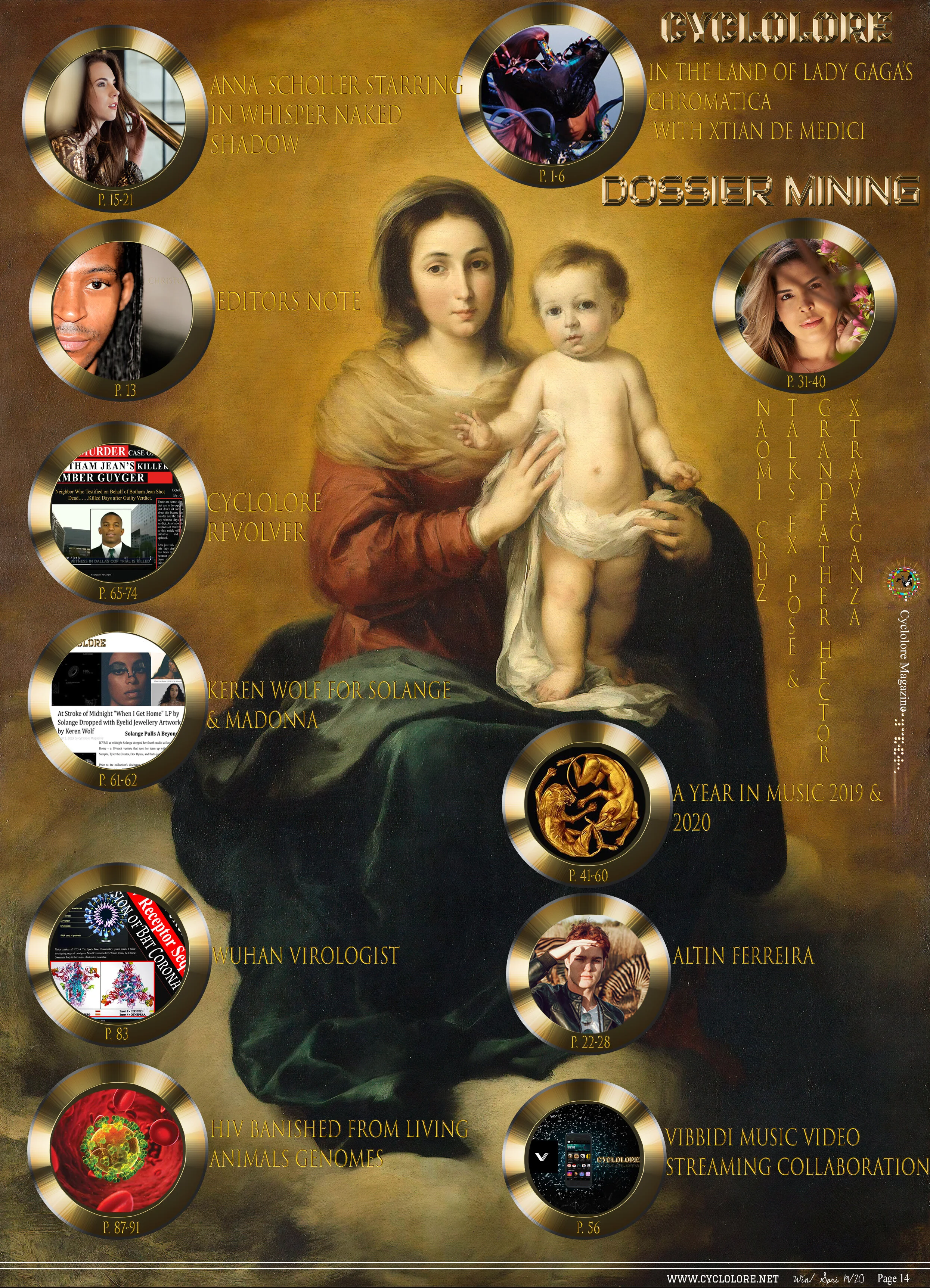
DOSSIER Mining releases in retrograde 'In the Land of Chromatica' with Lady Gaga's Designer Xtian de Medici, Keren Wolf, FX Pose's Naomi Cruz honoring the life of Grandfather Hector of House of Xtravaganza as our 1st cover story & Award Winning Anna Schollerova from Nora K's Whisper Naked Shadow TV mini-series and much much more!! The DOSSIER Mining compared to 'The Aftermath' issue, & others before it, is elevated reaching a better and truer essence of the Cyclolore Brand from many aspects & will so moving forward.
Related stories from this featured panel!
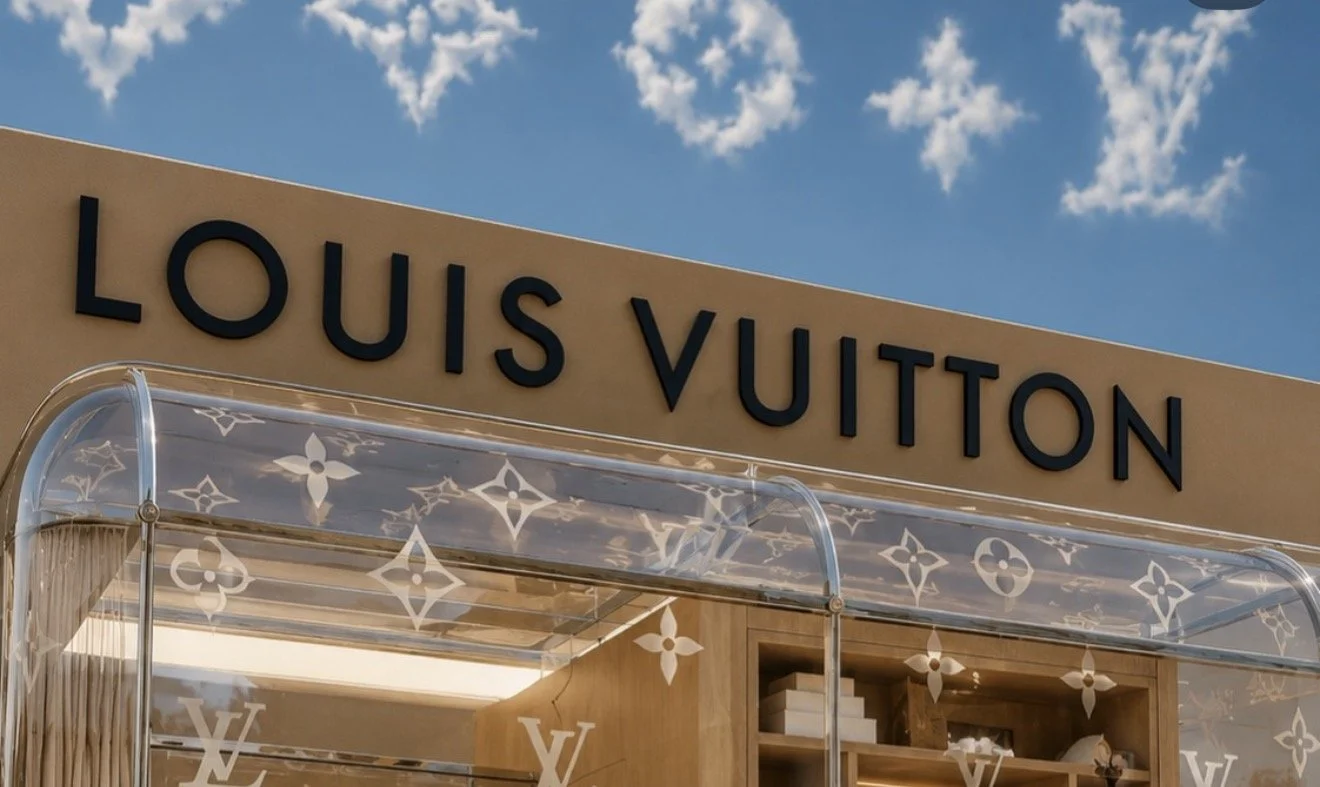
At the Musée des Arts Décoratifs in Paris, Look: 40 Years of Fashion at the Museum follows that longer story. Open through April 4, 2027, the exhibition marks four decades since the Musée des Arts de la Mode opened within the institution, gathering 40 iconic outfits to explore fashion’s life inside a museum.

While the laid-back statement made by the musician-turned-mogul was undoubtedly Rihanna, the news itself is anything but typical. Nearly ten years ago, Rihanna started working with Puma as creative director. Since then, she has created a line of shoes that have sold out and put on a number of shows during New York Fashion Week, earning praise from both critics and customers.

Beyoncé has brought to North America her opulent Renaissance World Tour outfits. The superstar performed the first of two concerts at the Rogers Centre in Toronto Thursday night to kick off the second part of her tour. During the performance, Bey introduced two new bespoke costumes, one of which was inspired by the renowned camouflage outfits from Destiny Child's "Soldier" era.

Styled by Zerina Akers, the singing team looked astonishing as they performed "Ungodly Hour" in strong metallic looks by New York designer, Sho Konishi.

Cyclolore Magazine was honored with a deep and inspiring exclusive interview with Xtian de Medici that spawns 13 rounds of thought provoking questions and inspiring fashion design questions on his experiences designing Lady Gaga’s epic helmet in the Land of Chromatica.

![[WATCH] Rihanna on How to Get "Summer Fenty Face" via New Makeup Tutorial](https://images.squarespace-cdn.com/content/v1/5838868c4402431df912c96f/1588014594240-00RED76XEBINWDKH2LPI/Screenshot_20200427-150113_YouTube.jpg)
Rihanna shared her most recent Fenty cosmetics instructional video on YouTube Sunday (April 26), and it's the ideal no-cosmetics look in search for both the coming summer months and being stuck in self-isolation.

Participant B "As a primary school teacher, with no experience in the creative industries, I felt I would be left behind from the 'get-go' - however, the emphasis you placed on community building tasks within your curriculum, via your ice-breaking sessions, allowed for us participants to learn from one another, as well as from the tutor... There is an unspoken power within validating your students' experiences, something I had the pleasure in experiencing today."

Rihanna may have the world at large thirsting for new music, but that hasn’t halted the acceleration of her other projects. Five years in the making, the photo focused set was launched last October (with the most premium version of costing $2000).

To garner up some good buzz for her first cooperation with Adidas, Beyonce conveyed huge boxes loaded up with orange, maroon and white dress from her Ivy Park case assortment to VIPs, for example, Reese Witherspoon and Ellen DeGeneres. The on-screen characters and influencers immediately posted recordings and photographs of the compartments being unpacked.

Without a moment to spare for you to break your "spend less money" New Year's goals, Beyoncé is dropping fresh out of the plastic new Ivy Park stock in 2020. The artist prodded the things in a progression of Instagram posts Monday morning.

For the spread, Cardi, 27, is styled in a low profile red Michael Kors Collection dress and red Jimmy Choo siphons, with Kulture coordinating in a some shorts. Inside the magazine, the two twin in botanical outfits, Cardi's by Oscar de la Renta and Kulture's by Brock Collection x Maisonette($208).

She expressed gratitude toward individual models Linda Evangelista, Kate Moss and Christy Turlington – her "sisters for life" – just as Gianni Versace, the late style fashioner. Campbell said she was the “first woman of colour to receive this award” before saying thanks to ladies who she said had preceded her, including Janet Jackson, Tina Turner, Iman, Bethann Hardison and Eartha Kitt.

Karl Lagerfeld related the Fendi brand with fun and that is the thing that the Rome-based organization is referencing by and by cooperating with Nicki Minaj on another case gathering due to be propelled online on Oct. 14 and in 52 Fendi stores on Oct. 16. The case is designated "Fendi Prints On."

Fenty Beauty's first item—the Pro Filt'r Soft Matte Longwear Foundation—was momentous on account of the noteworthy shade extend as well as in view of the equation. When applied, the product does not move for quite a long time, even on the those with super-sleek skin. Yet, on the off chance that you have dry skin, you most likely think the recipe is too mattifying, as it tends to stress dry fixes and almost negligible differences.

Bey multiplied down on the charm with her extras, which included heaps of Lorraine Schwartz gems, a jewel encrusted grasp and coordinating strappy heels. She maneuvered her hair once again into a pig tail of cornrow meshes with little twists slicked to the side of her head.

Ariana Grande has had an excruciating couple of years. From the Manchester besieging, to the begin and cut off of a wild association with Pete Davidson, to Mac Miller's overwhelming demise, Ariana Grande has seen a lot of awfulness. Be that as it may, rather than staying private, she has opened up to Vogue in another main story about her encounters to sort the record out and possibly sparkle somewhat light. CNN reported that the Navy can blame her hectic schedule for the lack of much-needed & demanded new music. "I don't have a sleep pattern. I have sleep pockets. I fit it in when I can," Rihanna said. "That's why I take those personal days so seriously. Because it's like, 'You had all of me. I gave you the answers.' "

“Women are forces of this earth. We are multifaceted, complex, vulnerable yet bulletproof, and Fenty speaks to all of our intricacies,” Rihanna said in an announcement. “Some days I want to be submissive, many days I’m completely in charge and most days I feel like being both ... so it was imperative that we created a line versatile enough to embrace and celebrate us in that way. The collections are easily worn together and meant to be staples in our wardrobe. I’m just hyped to see people in my clothes, man.”

Its an obvious fact that Cardi is the most media crazed & uplifted female rap out at the present moment, and her acclaim and ubiquity is unquestionably filling her garments line achievement. Actually, the second release of the Fashion Nova line far outperformed the principal line's exhibition back in November, Page Six reports.
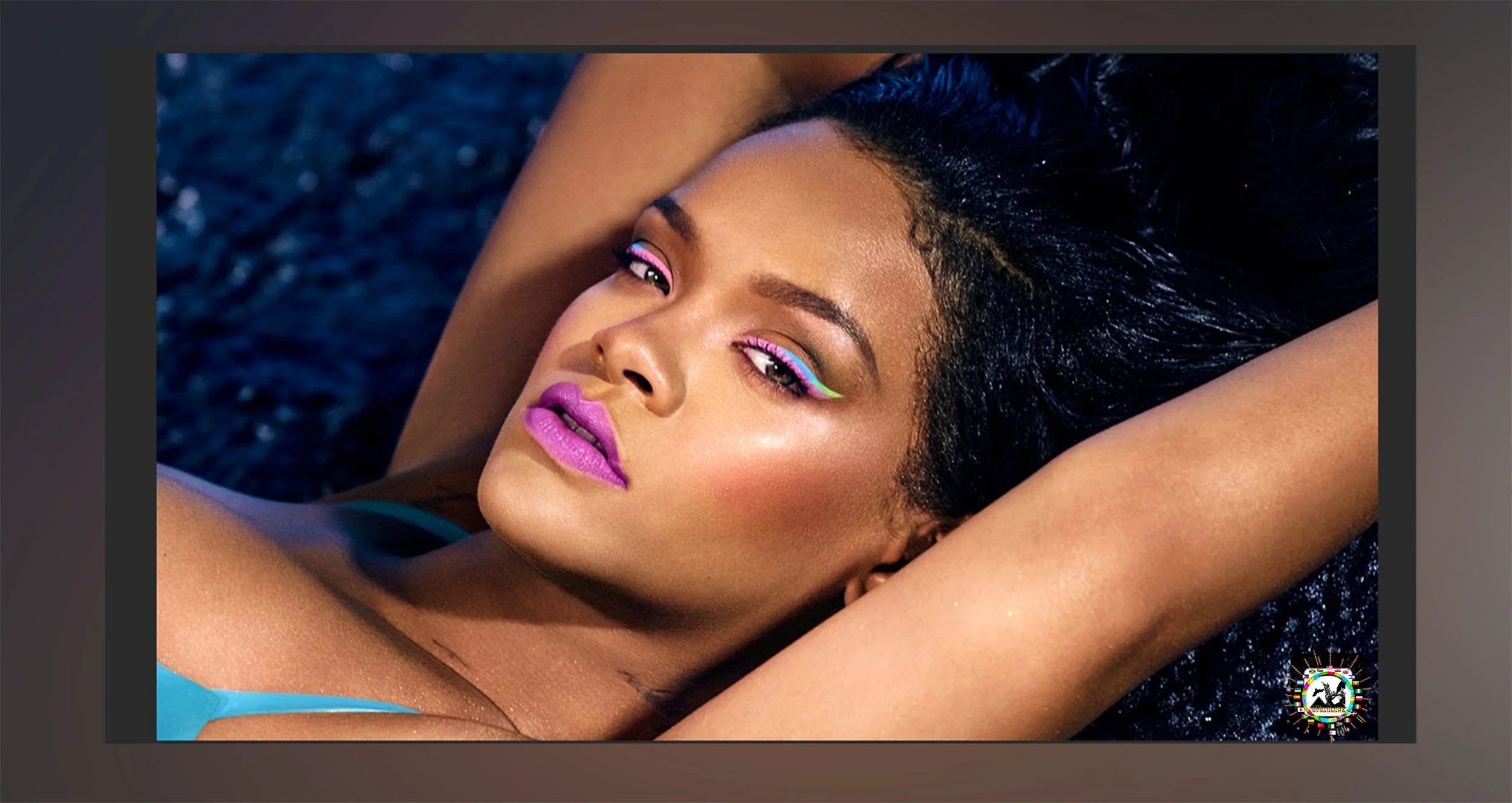
The solidified, all inclusive shades of summer are here, and ever on time in powder blues. baby pinks, neon greens, and fiery fuchsias. Fenty Beauty is premiering a collection of new, & limited version items to sizzle up the season, all dropping on May 10, for your Fenty-cherishing ladies.

Rihanna's undergarments brand is officially one year old, and the entertainer, artist, and business mogul's line of lingerie is celebrating by dropping every single new style for its clients. The new Savage x Fenty bra styles include convertible lashes and strapless choices, so regardless of what you wear out to observe Rihanna and her image's enormous birthday, you can shake Savage underneath — or on top since, let's face it, these pieces are exquisite.
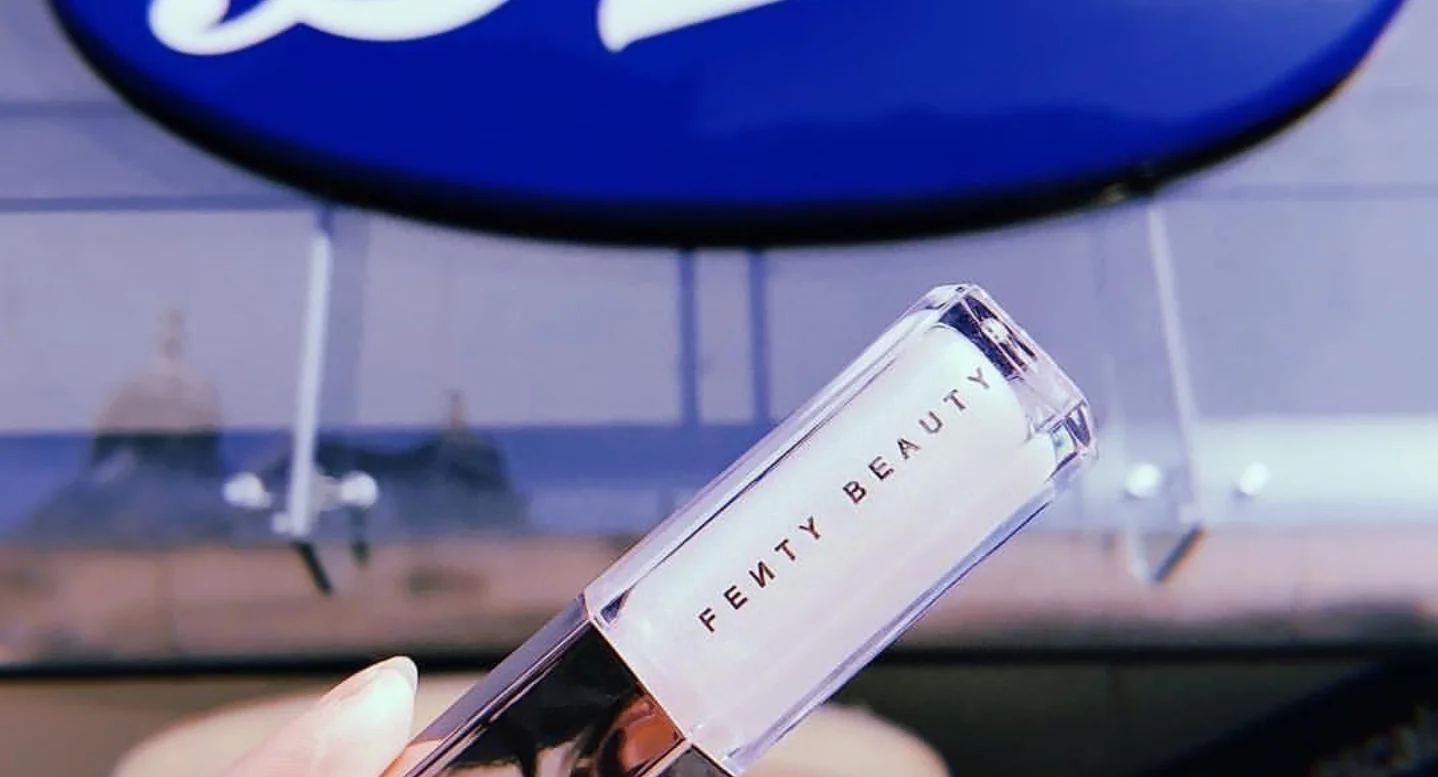
Taking to Instagram today to report the news, Rihanna expressed "@fentybeauty is authoritatively assuming control over the UK! I'm here to declare our fresh out of the plastic new association with @BootsUK !! Pay special mind to us at areas from MAY tenth !! I'm so energized, I adore Boots and I cherish my UK fans!!! Prepare for #FENTYBEAUTYxBOOTS !! 🇬🇧🇬🇧🇬🇧"

In the event that last year's Catholic-concept Met Gala was something quizzing as possible, the current year's event is projected to be as befuddled. It doesn't support that the subject — for the gathering and the going with Exhibition, opening Thursday — originates from a Susan Sontag paper distributed in 1964.

The fashion designer who use to be a model as well as an entrepreneur used the recently passed International Woman’s Day holiday to reveal that she has bought back the previously pop trendy streetwear brand, Baby Phat. Although the /Designer/Entrepreneur/ Model didn’t disclose the purchasing price of the deal she did relay “We had to hunt around to find it.”

These are not the typical shoes that you run across whether on your feet, in an ad, or on Instagram for that matter. They are ‘Indestructible Shoes’ by Indestructible that may be imitated by many (knock-offs) but the Authentic pair can be a real treasure. We all would like protection from injury and these shoes are meant for ‘Battlefield’ keeping your ankles, your shins, your joints, even your skin safe from common injuries.

“Shutting the carpet down In a Siriano velvet tuxedo gown!” the originator tweeted, later including, “what an honor it was to create this moment!” In a meeting with E! News, he included that he was just given multi week to plan and fit the troupe, which comprises of a conventional tuxedo shirt worn underneath a full, strapless ballgown.

“Fashion Nova is an ultra-fast-fashion brand that is capable of executing design within hours and believes in fairness in pricing. We strive to offer our customers affordable leading trends. We respect the fashion community and work with a variety of vendors, designers, influencers and celebrities to keep our style offering fresh and relevant. Kim Kardashian West is one of the top fashion icons in the world that our customers draw inspiration from. However, we have not worked with Kim Kardashian West directly on any of her projects, but have been driven by her influential style.”

“Victoria’s Secret is losing share to other brands because it’s out of touch," said Paul Lejuez, a retail investigator at Citi who pursues L Brands. “The way it’s marketing is out of touch. Women don’t want to be viewed as stereotypical sexy supermodels buying lingerie just to impress men.” The "Victoria's Secret Fashion Show" on TV hasn't fared well either. It has shed almost 50% of its absolute watchers in five years.

The organization said the United States and Norway are both testing markets, while China, India and Russia are among the nations that H&M saw both on the web and physical store development, as indicated by an organization proclamation.
Chanel’s Spring/Summer 2027 collection gives a familiar question fresh urgency: how much freedom can a suit contain? Presented in Paris on October 5, Matthieu Blazy’s latest outing turns the house’s history of supple clothing into a proposition about texture, construction and the pleasure of getting dressed.