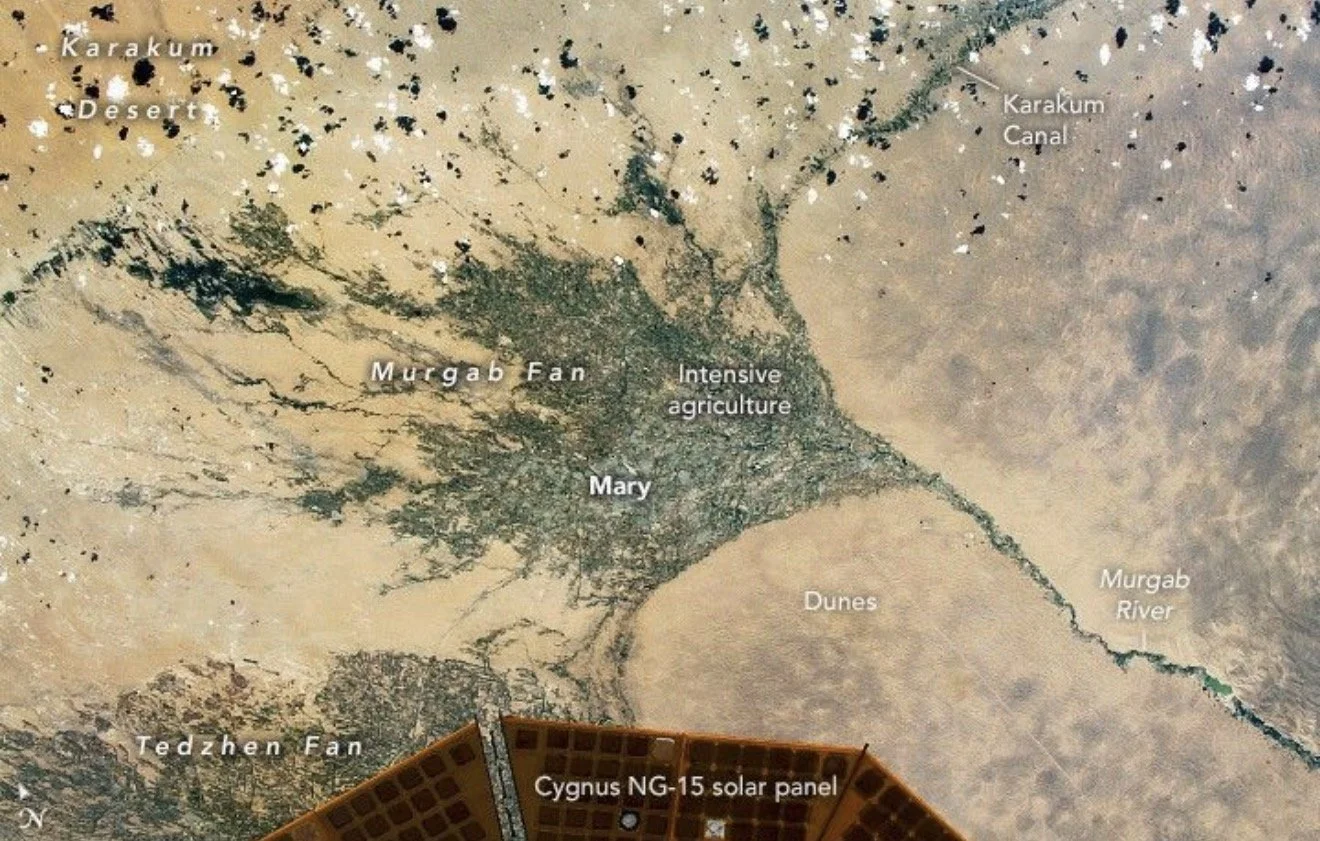
A new look at Earth’s water storage makes human activity harder to leave out of the picture. Highlighted by NASA on October 20, a satellite-gravity study brings irrigation, reservoirs and land-use changes into sharper focus, showing why a water map needs more context than a record of rain.
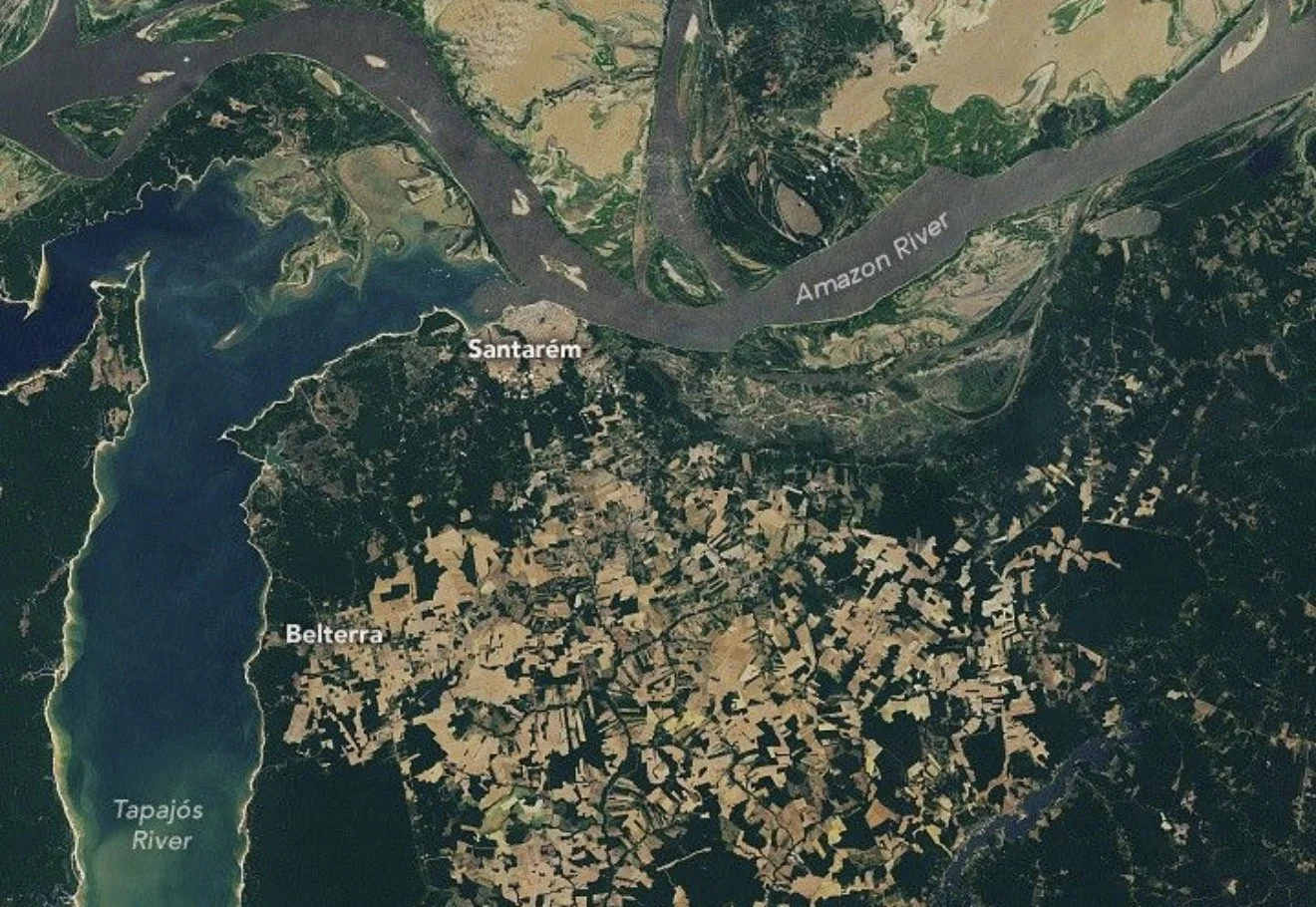
Read MoreSmoke can make a fire harder to count. NASA’s October 15, 2026 account of burning in the Amazon shows why satellite detections need careful interpretation, especially beneath clouds and forest canopy.
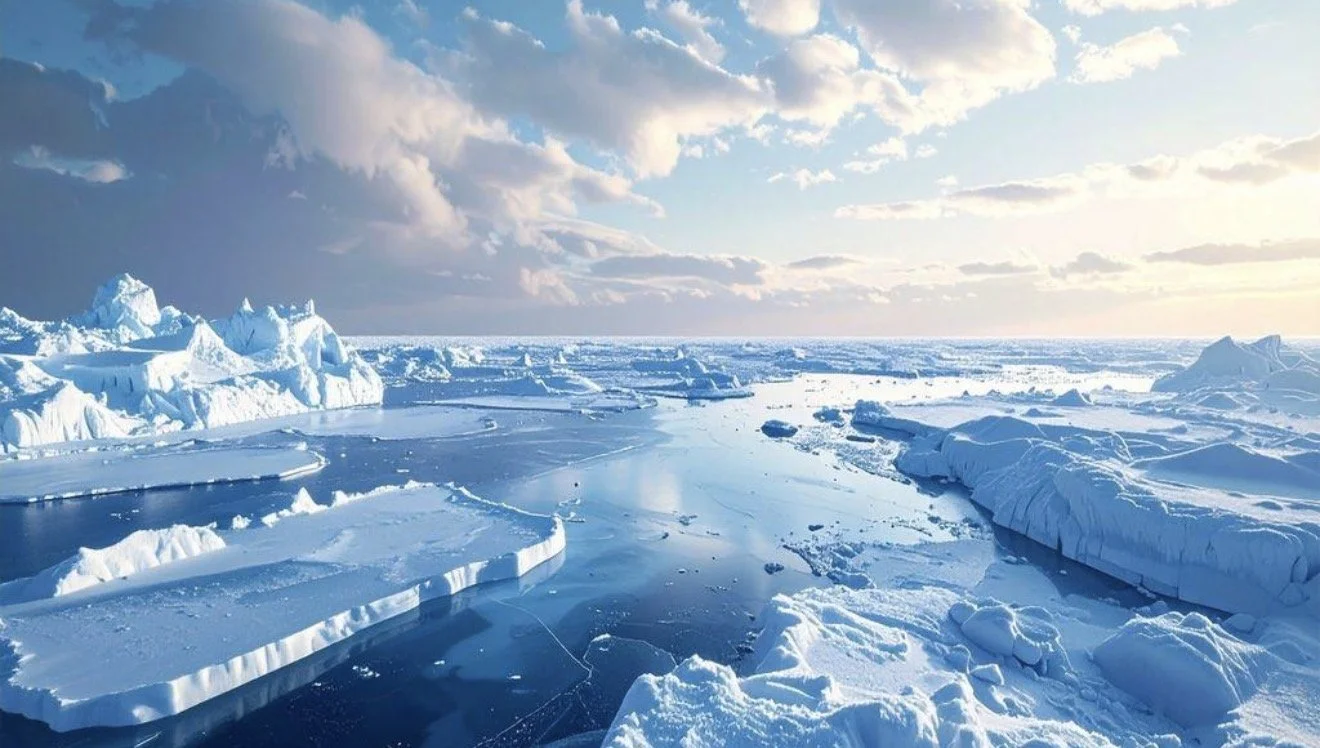
Read MoreAntarctic sea ice reached its third-lowest winter maximum in the satellite record in 2026, according to NASA’s October 12 update. The finding turns attention to the ocean around the continent, where the size of the seasonal ice cover tells an important, carefully measured story.
Read MoreSeptember 2026 was the second-warmest September in the ERA5 record, according to Copernicus’s latest update. Its 1.63°C rise above pre-industrial levels is a serious signal, but a single month does not measure the Paris Agreement’s long-term temperature limit.
Read More