A new global assessment places 96 percent of assessed shallow-water coral reef ecosystems at extremely high risk of collapse. The classification includes future climate threats.
Read More
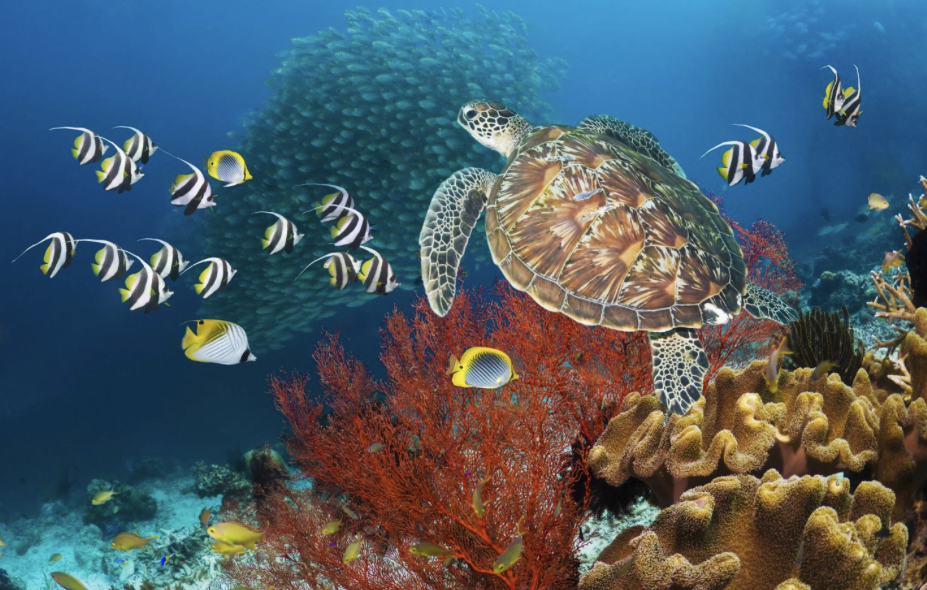
A new global assessment places 96 percent of assessed shallow-water coral reef ecosystems at extremely high risk of collapse. The classification includes future climate threats.
Read MorePassing 1.5°C is not an all-or-nothing verdict. UNEP’s new assessment asks how much warming can still be prevented—and for how long.
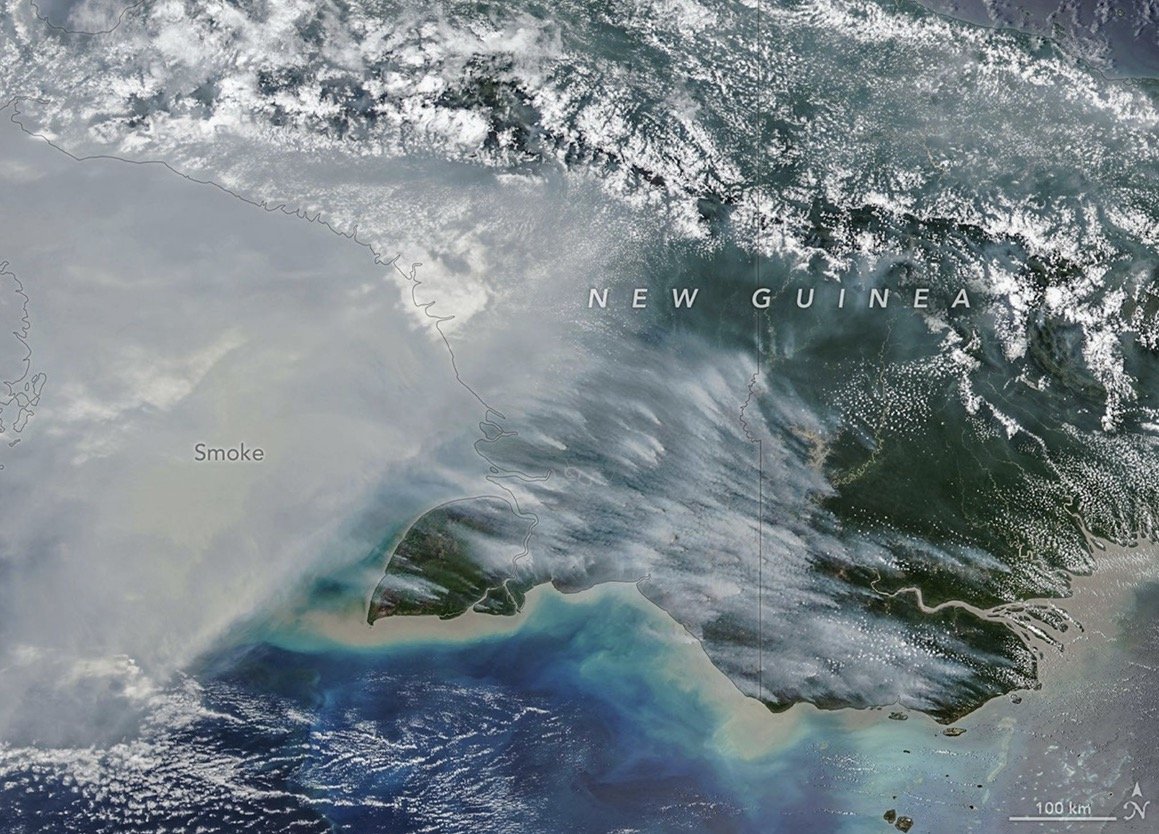
Read MoreNew Guinea’s fire season is drawing renewed attention as drought and smoke spread across the island. NASA’s October 22 report describes unusually high fire emissions on both its Papua New Guinean and Indonesian sides, bringing the consequences of a dry landscape into sharper focus.
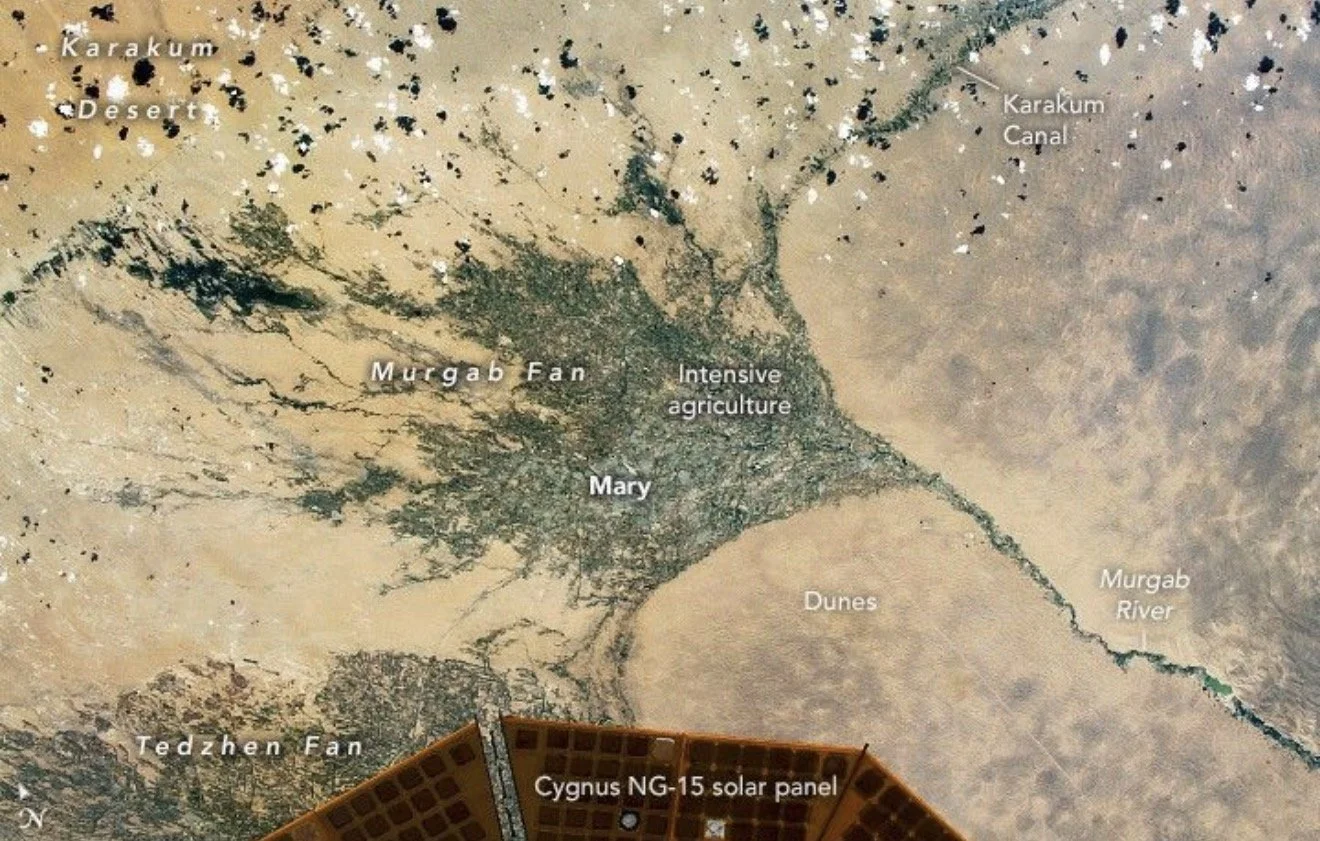
Read MoreA new look at Earth’s water storage makes human activity harder to leave out of the picture. Highlighted by NASA on October 20, a satellite-gravity study brings irrigation, reservoirs and land-use changes into sharper focus, showing why a water map needs more context than a record of rain.
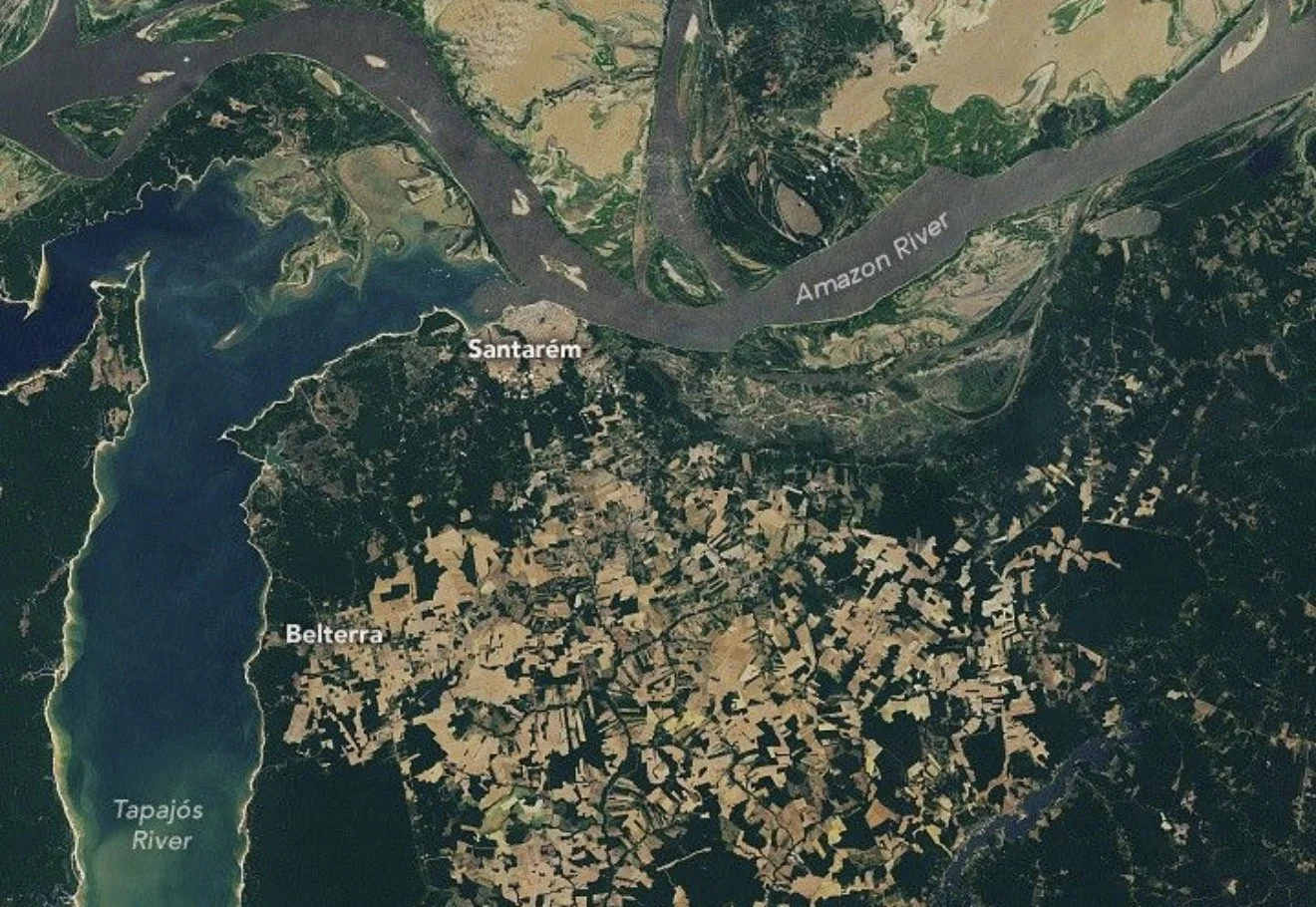
Read MoreSmoke can make a fire harder to count. NASA’s October 15, 2026 account of burning in the Amazon shows why satellite detections need careful interpretation, especially beneath clouds and forest canopy.
Read MoreSeptember 2026 was the second-warmest September in the ERA5 record, according to Copernicus’s latest update. Its 1.63°C rise above pre-industrial levels is a serious signal, but a single month does not measure the Paris Agreement’s long-term temperature limit.
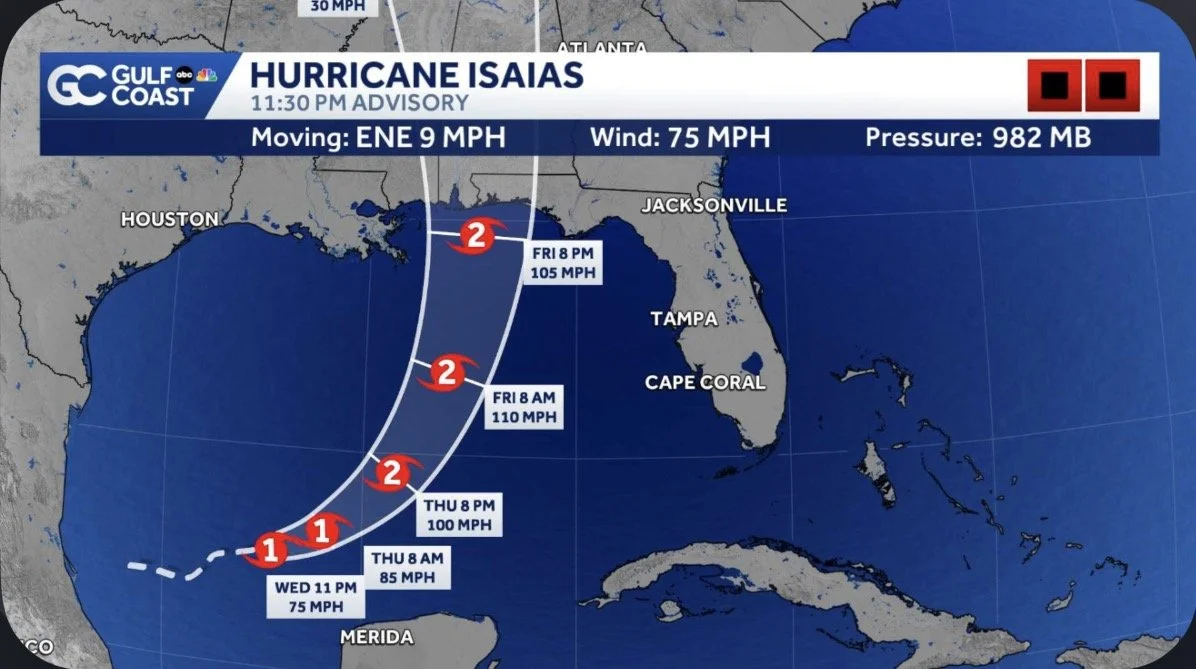
Read MoreHurricane Isaias remained a major hurricane on October 9, with sustained winds of 120 mph in the National Hurricane Center’s 10 a.m. CDT advisory. The NHC expected its center to reach the western Florida Panhandle coast this evening, with dangerous winds and life-threatening storm surge threatening the region.
Read MoreBoulder’s attempt to make ExxonMobil and Suncor help pay for climate damage reached the U.S. Supreme Court on October 5. The justices are considering whether federal law blocks the Colorado communities’ state-law claims, a threshold fight with consequences far beyond one county.
Read MoreThe symbol chosen for this year’s UN biodiversity conference is a butterfly. Inspired by an Armenian species, the COP17 identity brings together the framework’s 23 targets in a single colourful image. It is an inviting introduction to a difficult assignment: finding out what the world’s commitments to nature are actually delivering. The Convention on Biological Diversity’s explanation of the design connects the butterfly with transformation and collective action.
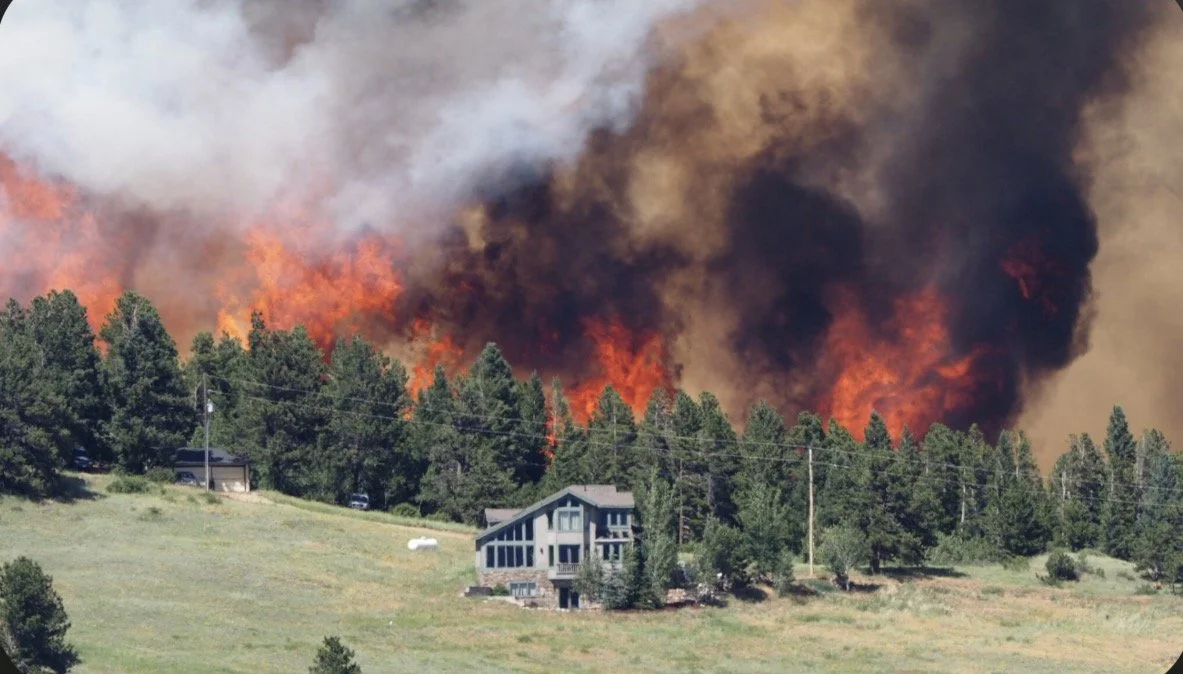
Read MoreDeadly wildfires raging in Hawaii have forced evacuations and knocked out electricity to thousands, fuelled by a combination of land and atmospheric conditions known as "fire weather." A major fire burned much of the ancient town of Lahaina on Maui, forcing some residents to flee into the bay for safety.
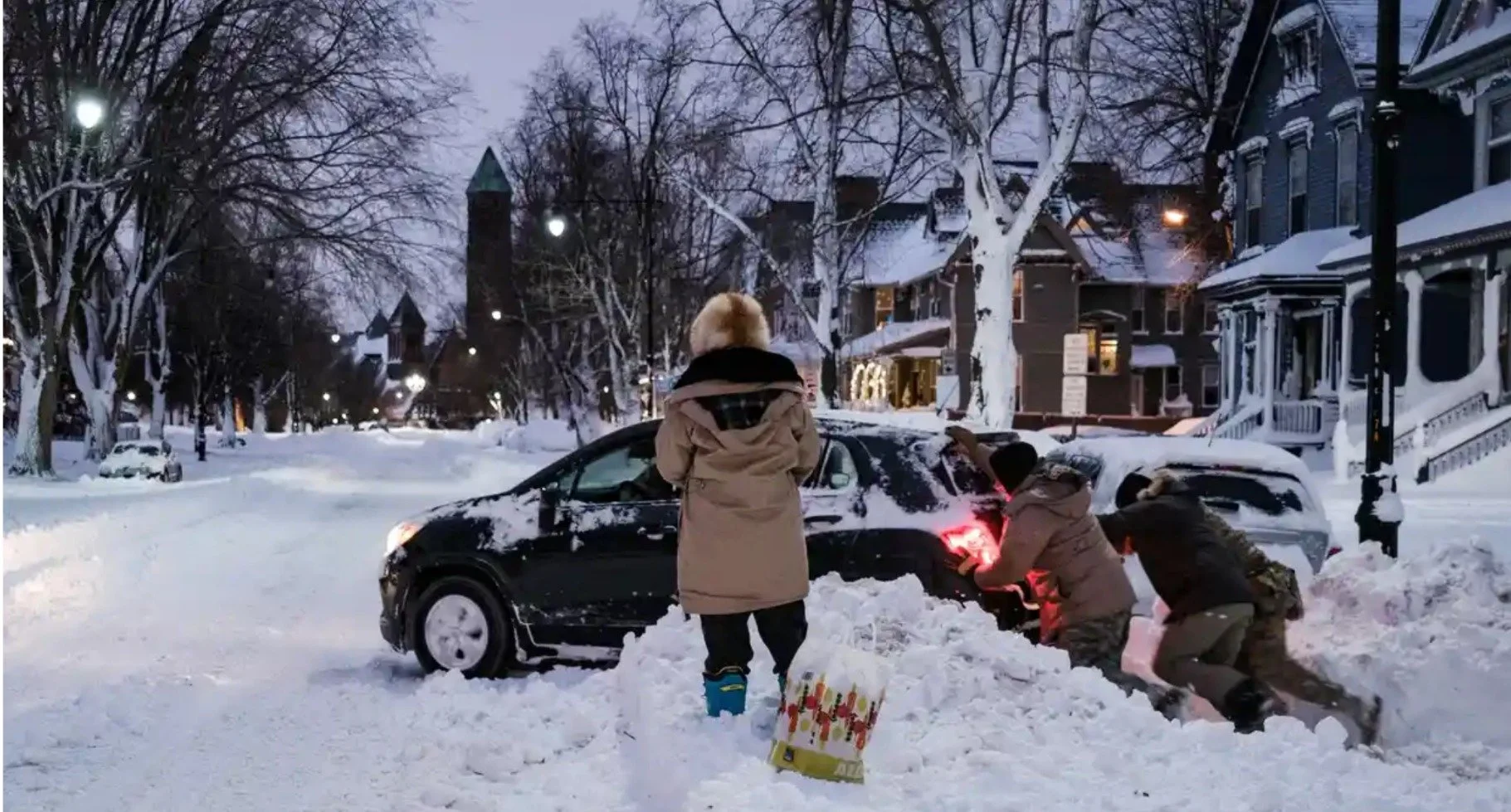
Read More“My heart is with those who lost loved ones this holiday weekend. You are in my and Jill’s prayers,” Biden said in a Twitter message prior in the day. “Anyone who declares victory and says that it’s over, it is way too early to say,” Hochul said, adding, “The storm is coming back, we’re expecting another six to 12 inches.”
Read MoreIt is now evident that humans have steadily developed due to the excesses of energy sources at our disposal during this current period. Since the period of industrialization, living standards have improved due to a surplus in products. Industries were reliant on fossil fuels such as coal and oil to drive machines in industrial production.
Read More