
Climate Overshoot Is Not Permission to Give Up
A hotter peak and a longer overshoot are different futures—not one inevitable outcome.
Passing 1.5°C is not an all-or-nothing verdict. UNEP’s new assessment asks how much warming can still be prevented—and for how long.
The United Nations Environment Programme’s October Emissions Gap Report 2026 shifts attention toward limiting the scale and duration of temperature overshoot. Its lowest-possible-overshoot pathway peaks around 1.7–1.8°C near mid-century and returns to 1.5°C or below by 2100 with roughly a 50 percent chance. This is a modeled pathway with demanding conditions, not a forecast that the world will automatically cool itself.
The report’s numbers make those conditions concrete. Global greenhouse-gas emissions would need to fall 18 percent by 2030, 45 percent by 2035 and 69 percent by 2040, each measured against 2025 levels. Full implementation of current national climate contributions would deliver much smaller reductions and leave projected warming around 2.6°C this century. Reading the baseline alongside the percentage is essential: a target without its reference year is an incomplete claim.
Returning is not resetting
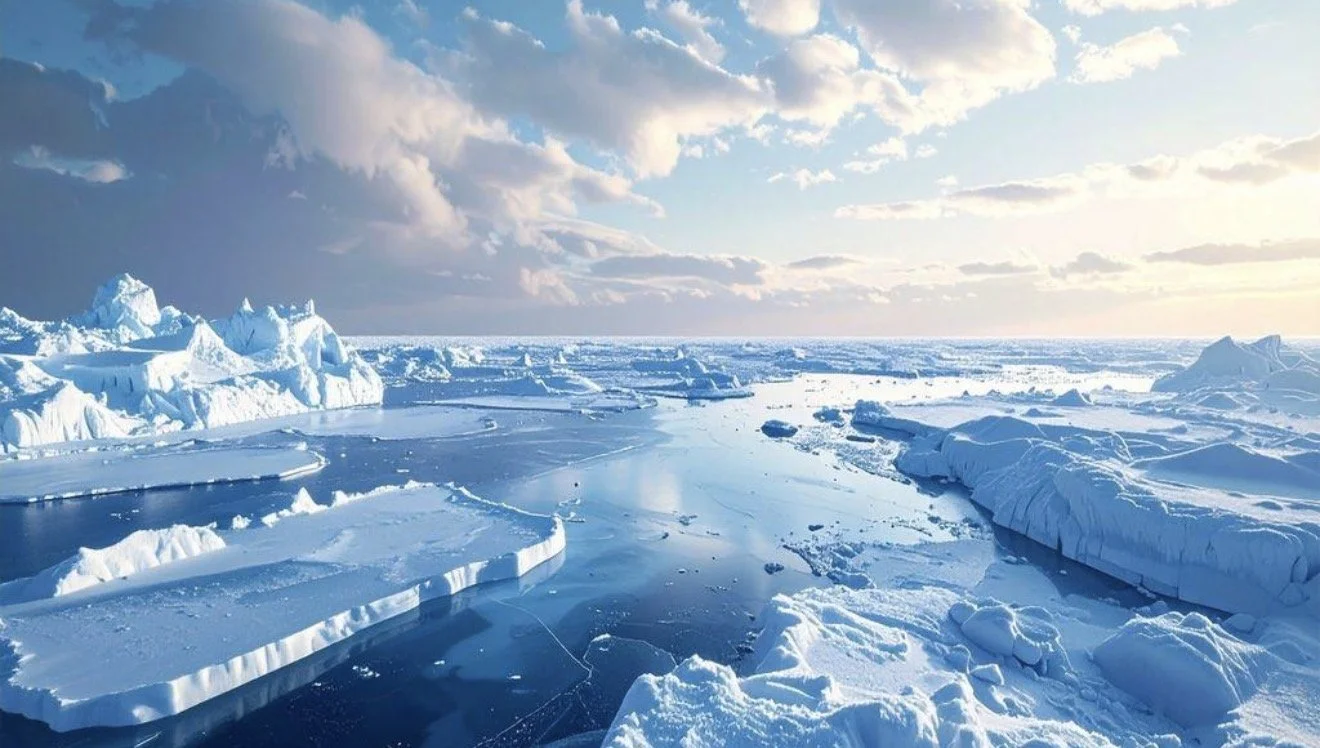
The word “return” can sound reassuring, as if lowering a thermostat would restore everything that happened along the way. That is not what the science says. The IPCC’s synthesis assessment explains that overshoot brings additional risks, some irreversible, and that risks increase with its size and duration. Polar, mountain and coastal ecosystems are among the vulnerable systems. A later decline in global average temperature does not promise a reversal of every loss.
This is why the shape of the journey matters. Two pathways ending at the same temperature can expose people and ecosystems to different conditions for decades. A destination alone cannot describe the damage experienced before arrival.
Removal is a requirement, not an escape clause
UNEP’s accompanying explanation emphasizes that returning after overshoot would also require substantial carbon-dioxide removal. Its feasibility depends on technologies, costs and storage that cannot simply be assumed into existence. Emissions cuts and removal are not interchangeable promises: avoiding an emission now differs from undertaking to recover it later.
The same explanation identifies reasons to act rather than surrender, including renewable-energy expansion and policies already producing structural change. Progress is evidence that intervention can work, not evidence that the remaining task will take care of itself.
How to read the next climate promise
A useful test for any new announcement is to ask what changes before 2030, not only what is promised for a distant net-zero year. Does the plan specify implementation, funding and accountability? Does it distinguish actual reductions from future removal? Does it describe who bears the risk if its assumptions fail?
These are editorial questions, not an alternative climate model. They help translate an abstract temperature pathway into decisions that can be checked. They also prevent a false choice between celebrating every announcement and dismissing every imperfect policy.
The central implication is demanding but not mysterious: the remaining range of outcomes still matters. Missing the safest pathway does not make a worse one acceptable. Climate action is no longer credibly described as a single deadline followed by either victory or defeat. It is a continuing obligation to prevent avoidable harm, including harm that would otherwise occur during the overshoot itself.
Watch the 2026 Emissions Gap Report launch discussion, hosted by ODI Global and linked from UNEP’s official launch materials.
Also check out our current Publication “The DOSSIER Mining” Issue available now!

DOSSIER Mining releases in retrograde 'In the Land of Chromatica' with Lady Gaga's Designer Xtian de Medici, Keren Wolf, FX Pose's Naomi Cruz honoring the life of Grandfather Hector of House of Xtravaganza as our 1st cover story & Award Winning Anna Schollerova from Nora K's Whisper Naked Shadow TV mini-series and much much more!! The DOSSIER Mining compared to 'The Aftermath' issue, & others before it, is elevated reaching a better and truer essence of the Cyclolore Brand from many aspects & will so moving forward.
Related Stories to read next from this featured panel!





A new global assessment places 96 percent of assessed shallow-water coral reef ecosystems at extremely high risk of collapse. The classification includes future climate threats.