
NASA’s Moon Base Rovers Have Work to Do Before Astronauts Arrive
The road to a working Moon Base starts with machines that can move.
NASA’s latest Moon Base update puts a practical question at the center of lunar exploration: how will people and machines get around? The agency’s October 20 progress report follows a group of rovers being developed to scout terrain, investigate resources and eventually carry astronauts across the lunar surface.
The update describes work on Astrolab’s CLV-1 and Lunar Outpost’s Pegasus, two crew-capable lunar terrain vehicles, alongside the robotic VIPER mission. NASA is targeting delivery of the crew-capable vehicles to the lunar South Pole by 2028. VIPER is planned for 2027. Those are mission plans, not completed landings, and the difference matters when reading an ambitious hardware announcement.
A vehicle with two working lives
NASA’s lunar terrain vehicle overview describes a machine that can carry astronauts during surface visits and operate remotely between them. The agency intends to purchase the capability as a service from industry rather than own the vehicle. Cargo and scientific payloads could move to new locations even when no crew is there to drive.
That changes what a lunar vehicle is for. A car parked after its passengers leave becomes a stranded asset. A rover that keeps working becomes part of an exploration network. The interesting design question is how comfortably those two jobs fit together: a machine must be useful to an Earth-based operator and usable by a person wearing a spacesuit.
The current development work gives that question a physical form. NASA reports astronaut evaluations with mockups and spacesuits, plus upcoming wheel tests at its Glenn Research Center. These are less dramatic than a launch, but they are the stages where a proposed vehicle has to accommodate bodies, controls and difficult ground.
The scout has a different assignment
VIPER, short for Volatiles Investigating Polar Exploration Rover, is designed to investigate the location and concentration of lunar ice and other potential resources. Its tools include a one-meter drill, allowing it to examine material below the surface rather than rely solely on what can be observed from above.
NASA’s mission overview explains the distinction between knowing that ice exists at the poles and knowing where it could be accessible. The distribution, physical state and composition of deposits all matter. A resource map is therefore a scientific investigation before it becomes a practical guide to future use. Detecting water would not, by itself, establish a working supply system.
Read the milestones, not just the renderings
For readers following lunar technology, the useful habit is to separate three things: what a vehicle is designed to do, what it has demonstrated in testing and what it has accomplished on the Moon. Each deserves attention, but they are different kinds of evidence. A successful mockup evaluation cannot substitute for a landing, and a planned route is not a completed journey.
The latest rover update is compelling because it makes the practical work visible. Movement connects a landing site to a scientific destination, a tool to the place it is needed and an astronaut to a wider working area. Before a Moon Base can feel like a place, its machines have to learn how to make those connections reliably.
Related Stories to read next from this featured panel!
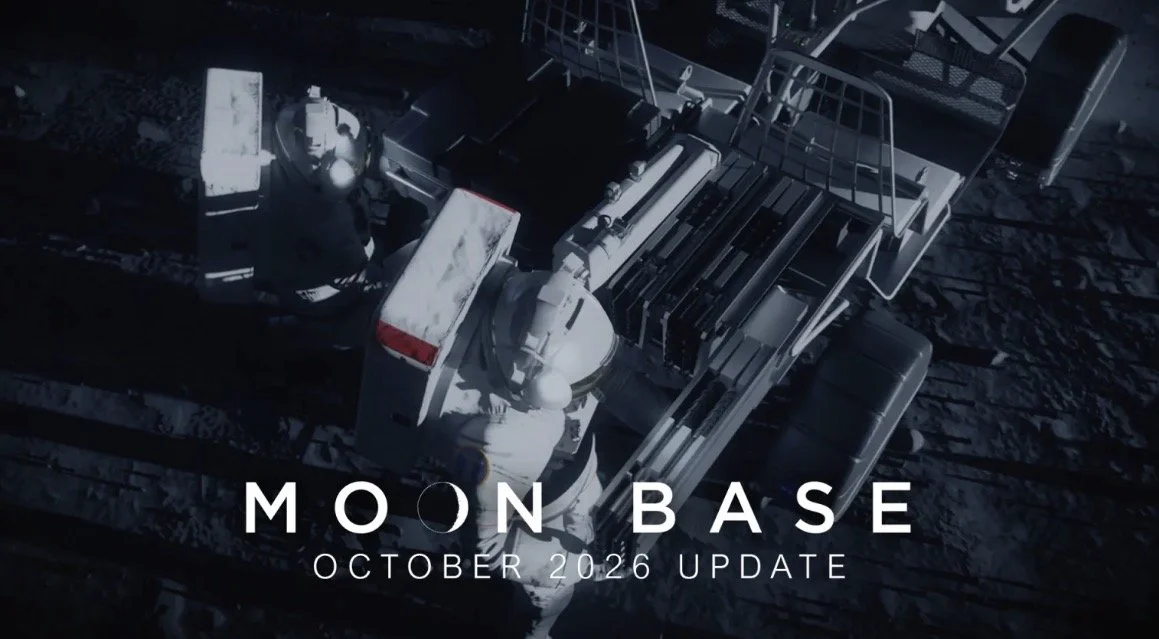
NASA’s latest Moon Base update puts a practical question at the center of lunar exploration: how will people and machines get around? The agency’s October 20 progress report follows a group of rovers being developed to scout terrain, investigate resources and eventually carry astronauts across the lunar surface.

The latest warning is conditional: Iranian officials say communications infrastructure could become a target if Iran faces further attacks.
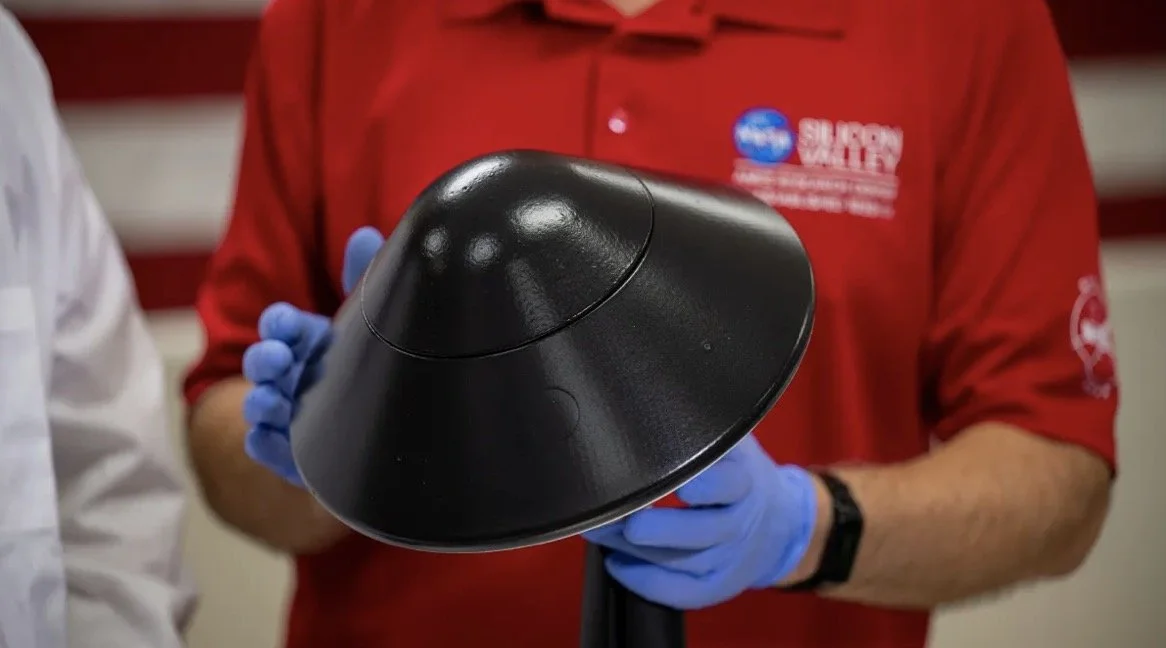
A heat shield’s future may depend on how small it can fold. NASA’s October 9, 2026 update on KREPE-3 highlights a deployable design among experiments intended to improve atmospheric entry.
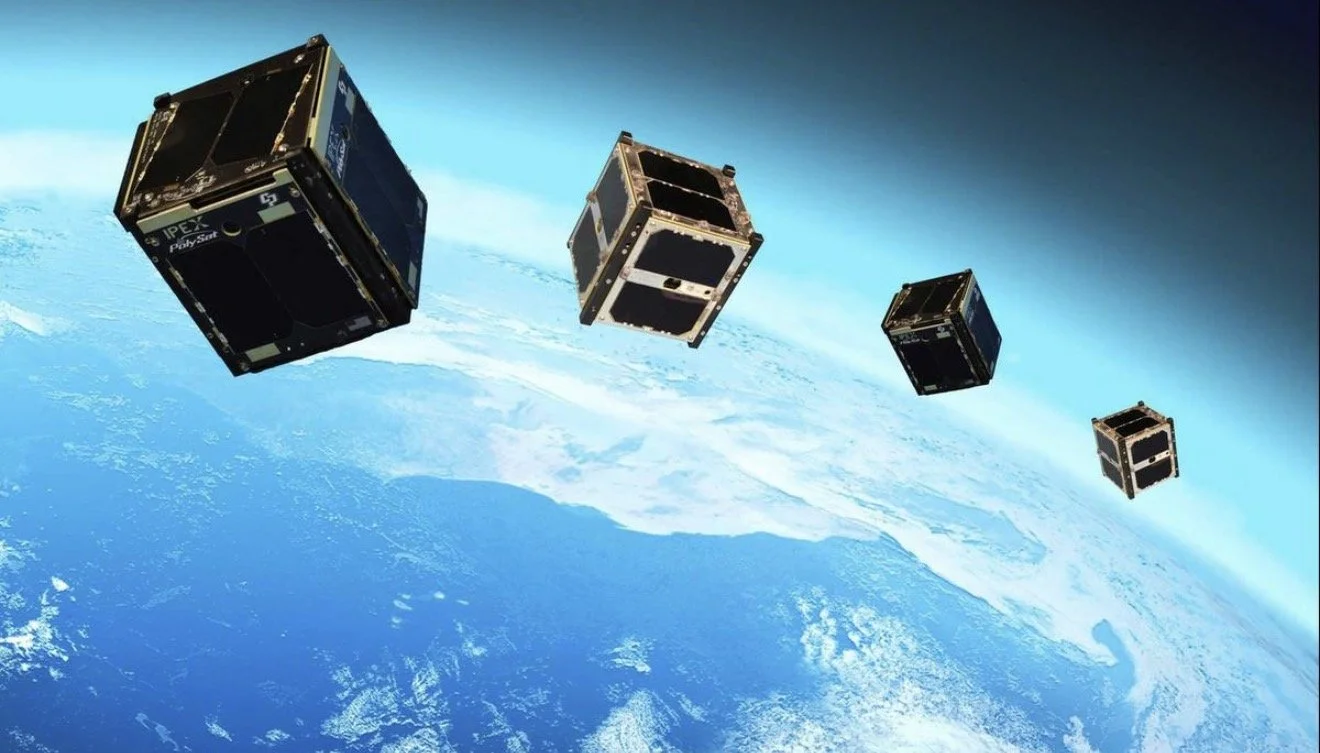
Two student-built CubeSats launched toward the International Space Station on October 13, carrying an idea larger than their compact frames: spacecraft can become a shared learning platform. The PROVES missions put open-source design and experimental radio communications into the same small package.

DARPA’s October 7 quantum-computing announcement puts four more companies into its final verification stage. The next test is whether their hardware can support machines worth more than they cost.

Google begins changing Gemini model access for personal accounts without an AI subscription today, October 9. The rollout gives everyday users a reason to check which model they can use and how their available usage is measured.

Francis Halzen has won the 2026 Nobel Prize in Physics for his contributions to IceCube and its discovery of high-energy neutrinos from beyond our solar system. Announced on October 6, the award honors a vision that turned a cubic kilometer of Antarctic ice into a telescope and opened a new way to study the universe.
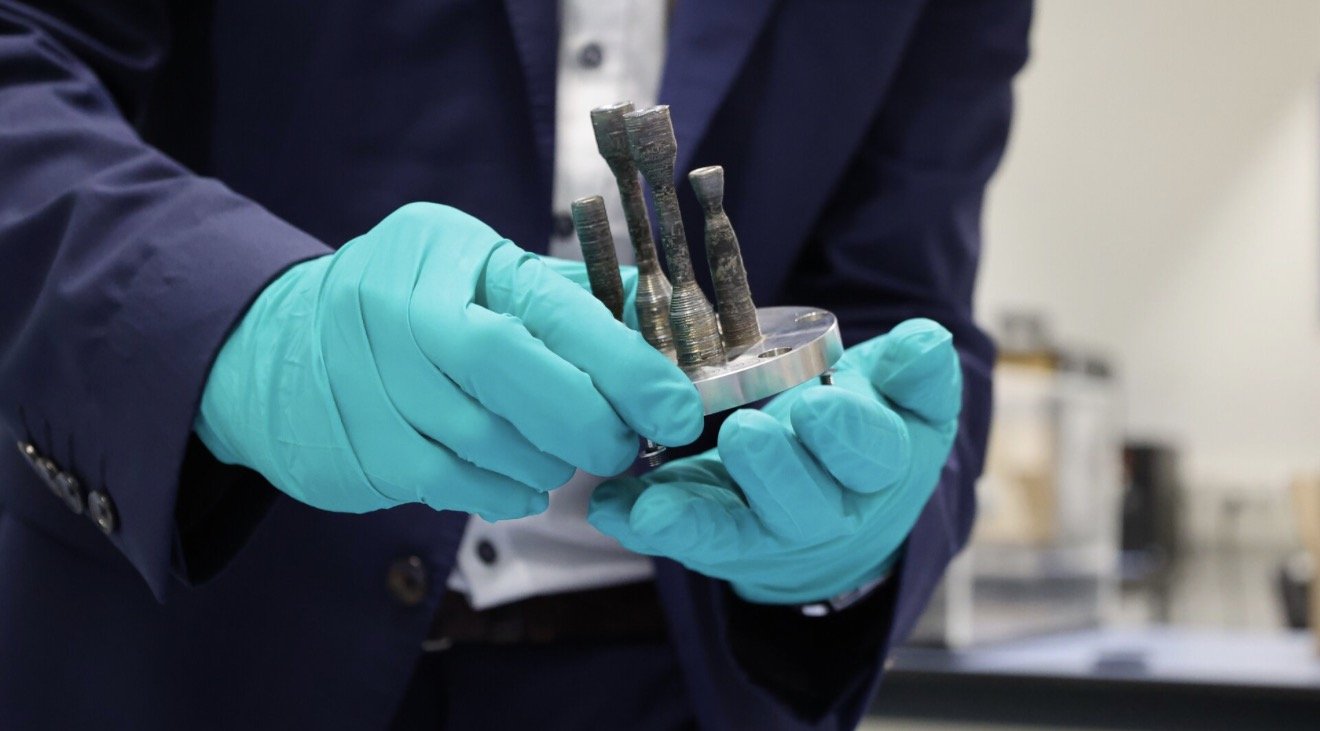
Making a metal object in orbit is a remarkable beginning. The harder question comes when that object has to do a job. ESA’s fifth metal sample printed aboard the International Space Station has returned to Earth carrying two DLR-designed experimental thrusters, the agency announced October 1. Now comes the engineering work that will determine what those small shapes can actually withstand.

This scenario is the most recent in a string of incidents in which American officials claim that drones and missiles fired by Houthi rebels in Yemen, who are aligned with Iran, have collided with destroyers in the Middle East. It also coincides with the spate of attacks against American personnel in Syria and Iraq in recent weeks due to the Israel-Hamas conflict.

It's just food for thought but what if the Apple iPhone 12 gives elemental incentive for other devices like tablets, e-readers, etc. to malfunction or crash indefinitely, hmmm makes me wonder.

The Sony A7 IV is the exceptionally foreseen replacement to the all-purpose Sony A7 III, which was delivered in 2018 yet stays a famous and competent camera.

The mechanical canine, named Spot by maker Boston Dynamics, got the attention of @bloodtear with his weird walk down a sidewalk in northern Ontario, Canada.

PlayStation Plus members will gain admittance to Sledgehammer Games' Call of Duty: WWII as a component of their membership, beginning on May 26.


When Apple at long last unveils its new iPhone 12 models in the not so distant future, we're almost certain they've going to look precisely like what you're going to find in the YouTube video loaded into this article.

Apple and Google shared a considerable lot about their COVID-19 contact detection plans with their joint declaration, however they despite everything left a few holes. Be that as it may, Apple has been happy to fill in a couple of the blank spots in a catch up with press sources.

Bag Valve Mask (BVM) ventilation is a basic crisis expertise, being proposed by New York City Government Andrew Cuomo March 28th, 2020 as a last resort should the Healthcare disaster reach an apex point.

In any case, as numbers climb, human services laborers and state pioneers have sounded the caution on clinical supplies starting to run low. In New York City, presently the focal point of the outbreak in the US, Mayor Bill de Blasio approached Trump for help and said supplies may just keep going for the following hardly any weeks.

"The health and well-being of every person who helps make these products possible is our paramount priority, and we are working in close consultation with our suppliers and public health experts as this ramp continues," the organization said.

The most recent TVs are as a rule outfitted with worked in receivers and cameras, which enable clients to convey directions to the TV or by utilizing facial acknowledgment. With these new capabilities, in that lies the peril for customers and an open door for programmers.

The Air Force is firing up generation of the air-dropped, exactness guided BLU-129 bomb progressively sought after by combat area authorities - so precise, deadly and exact, it is classified “the world’s largest sniper accuracy.”

Apple, the organization that made the present day cell phone, is depending on innovation because clients are as of now very acquainted with, similar to cameras, and assuming a lower priority with regards to cell phone advancement. Be that as it may, could the organization's commitment to well-known innovation be an advantage to the iPhone lineup?

When Facebook first declared it was getting into the crypto business—with an essentially unregulated money called Libra—the response from Wall Street and government investors was about true to form. There was doubt and pushback from the two quarters.

The U.S. national guard spending plan is one of the most enlarged on the planet, with financing surpassing $1 trillion as the Pentagon and barrier industry-accommodating lawmakers look to verify the unchallenged strength of the U.S. Military over the globe.
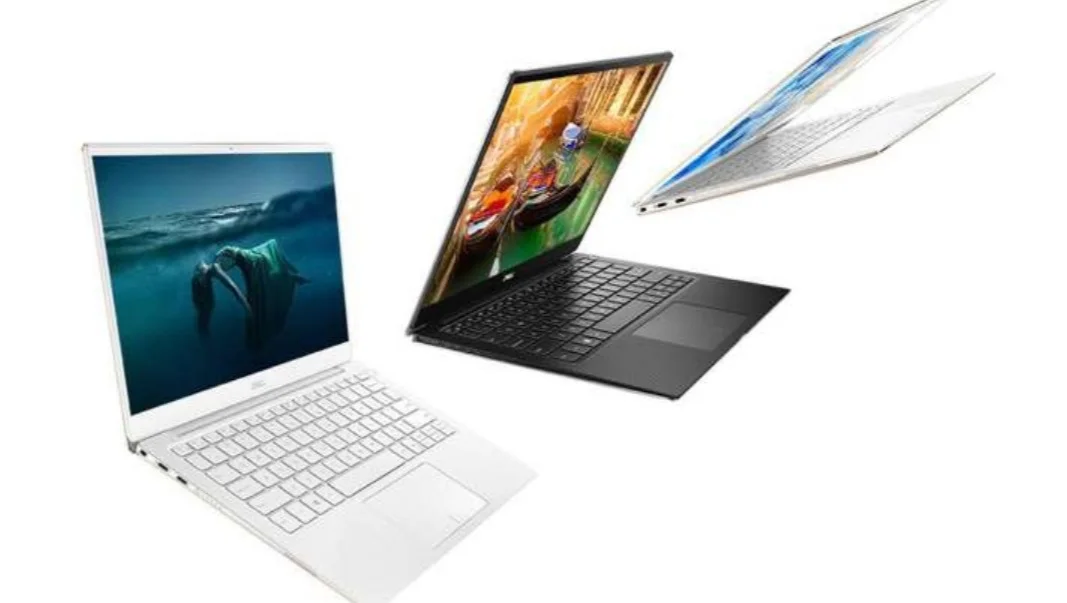
In front of IFA 2019 in August, Dell declared an invigorate of its XPS 13 workstation with Intel's tenth Gen Core processors — and now the Intel Core i7 model with six centers is accessible for consumers beginning at $999. With those six centers, you can probably hope to see better execution while performing various tasks, however applications should be upgraded to exploit the extra handling force.
Also check out our current Publication “The Aftermath ” Issue available now!

DOSSIER Mining releases in retrograde 'In the Land of Chromatica' with Lady Gaga's Designer Xtian de Medici, Keren Wolf, FX Pose's Naomi Cruz honoring the life of Grandfather Hector of House of Xtravaganza as our 1st cover story & Award Winning Anna Schollerova from Nora K's Whisper Naked Shadow TV mini-series and much much more!! The DOSSIER Mining compared to 'The Aftermath' issue, & others before it, is elevated reaching a better and truer essence of the Cyclolore Brand from many aspects & will so moving forward.
NASA’s CASALS prototype is pursuing a more complete three-dimensional view of forests and terrain. An October 21 technology update describes an airborne instrument that steers laser light by changing its wavelength, with further development still needed before a space-ready version.