
The Heat Shield That Packs Like an Umbrella
A heat shield’s future may depend on how small it can fold.
A heat shield’s future may depend on how small it can fold. NASA’s October 9, 2026 update on KREPE-3 highlights a deployable design among experiments intended to improve atmospheric entry.
A final journey with another purpose
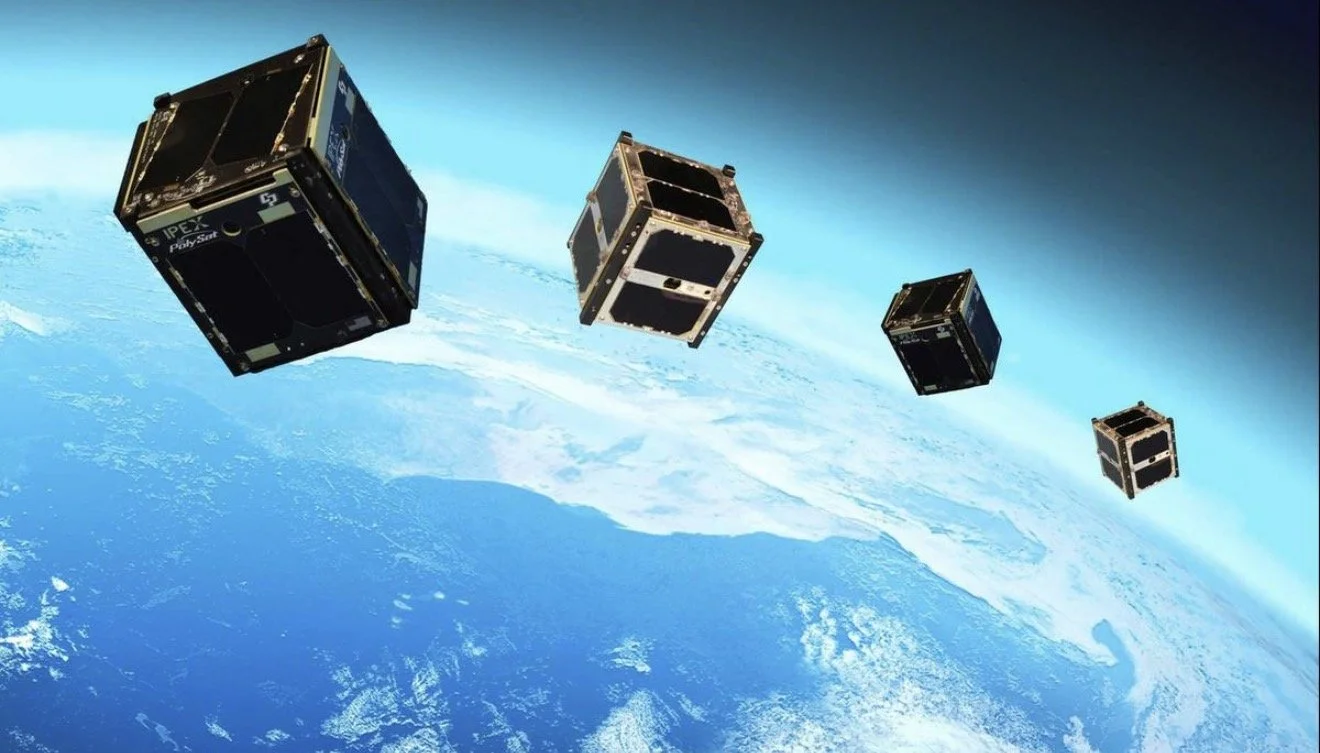
NASA describes KREPE-3 as a group of 12 small experimental capsules carried inside a departing Cygnus cargo spacecraft. Rather than requiring a dedicated return vehicle, the experiment uses the disposal journey to investigate thermal protection. Its capsules incorporate instruments for temperature, pressure, motion, magnetic field and light, with satellite communications intended to relay measurements. The collaboration includes the University of Kentucky and several NASA centers. NASA’s October 9 KREPE-3 update
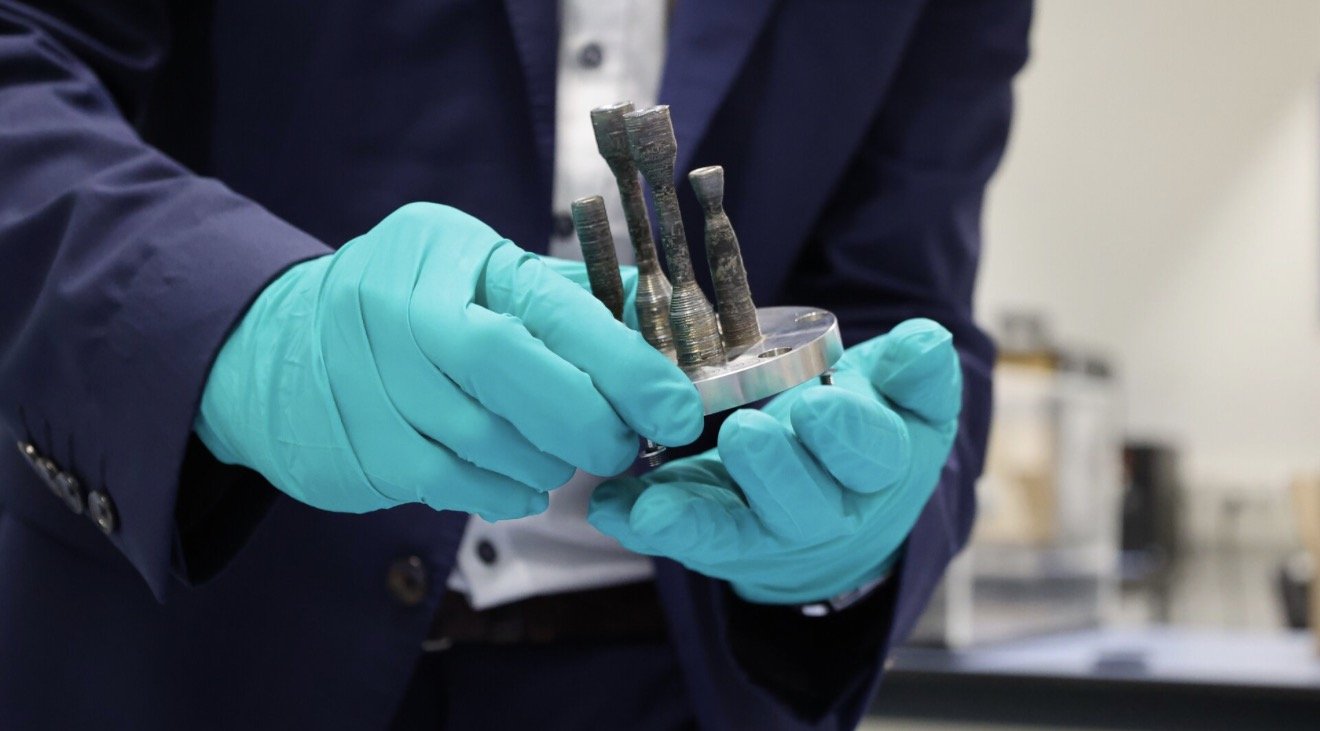
The October account identifies multiple approaches, including a 3D-printed shield, fiber-based protective materials and an umbrella-shaped deployable system called ADEPT. These are experiments, not an announcement that a new shield has been certified for astronauts. The distinction matters: identifying an attractive material or geometry is one step; demonstrating how reliably a complete spacecraft can use it is another. NASA’s October 9 KREPE-3 update
Why a shield needs room to open
The underlying problem begins well before landing. A spacecraft approaching a planet at high speed compresses atmospheric gas ahead of it, producing intense heating. An aeroshell helps slow the vehicle and protects what it carries. NASA’s earlier ADEPT explainer describes a design that launches folded, then opens into a larger protective surface. That creates a way to transport an entry system whose deployed diameter would otherwise be difficult to accommodate inside a rocket. NASA’s 2018 ADEPT explainer
ADEPT uses woven carbon fabric over ribs and struts. The fabric is not simply a decorative covering: it is part of the thermal protection system. NASA’s 2018 explanation also makes an important testing distinction. The first flight was intended to examine deployment and aerodynamic stability, rather than recreate the substantial heating of a full orbital return. One demonstration therefore cannot answer every question about the design. NASA’s 2018 ADEPT explainer
A long development story, not an overnight invention
NASA’s subsequent flight-testing overview records the September 12, 2018 demonstration aboard an UP Aerospace sounding rocket. The device separated, opened roughly 60 miles above Earth and maintained stable supersonic flight. The agency says data from that work informed further design improvements. Its overview also describes the special three-dimensional carbon weave and a later seam-reducing fabric development called Spiderweave. Those details reveal how much innovation takes place in manufacturing and testing, not only in a spacecraft’s silhouette. NASA: ADEPT’s flight-testing history
What would count as the next breakthrough?
The editorial lesson is to separate compact packaging, successful deployment, thermal performance and mission readiness. They are related achievements, but they are not interchangeable. A small research capsule can sharpen a model or expose a weakness without establishing that a much larger vehicle is ready to carry people. Readers should look for published measurements, stated test conditions and clearly defined next steps before treating an experimental result as an operational promise.
For now, KREPE-3 offers a compelling example of engineering economy: extracting useful evidence from a journey already being made. ADEPT adds a visual idea that is easy to grasp, a shield that opens when needed, while reminding us that the deceptively simple shape hides years of materials research and flight testing. NASA’s October 9 KREPE-3 update · NASA: ADEPT’s flight-testing history
Related Stories to read next from this featured panel!










Also check out our current Publication “The Aftermath ” Issue available now!

DOSSIER Mining releases in retrograde 'In the Land of Chromatica' with Lady Gaga's Designer Xtian de Medici, Keren Wolf, FX Pose's Naomi Cruz honoring the life of Grandfather Hector of House of Xtravaganza as our 1st cover story & Award Winning Anna Schollerova from Nora K's Whisper Naked Shadow TV mini-series and much much more!! The DOSSIER Mining compared to 'The Aftermath' issue, & others before it, is elevated reaching a better and truer essence of the Cyclolore Brand from many aspects & will so moving forward.
A heat shield’s future may depend on how small it can fold. NASA’s October 9, 2026 update on KREPE-3 highlights a deployable design among experiments intended to improve atmospheric entry.