
COP31’s Electrification Pledge Faces a Test in the Grid
COP31’s push to electrify more of the world economy puts power networks and household costs at the center of climate action.
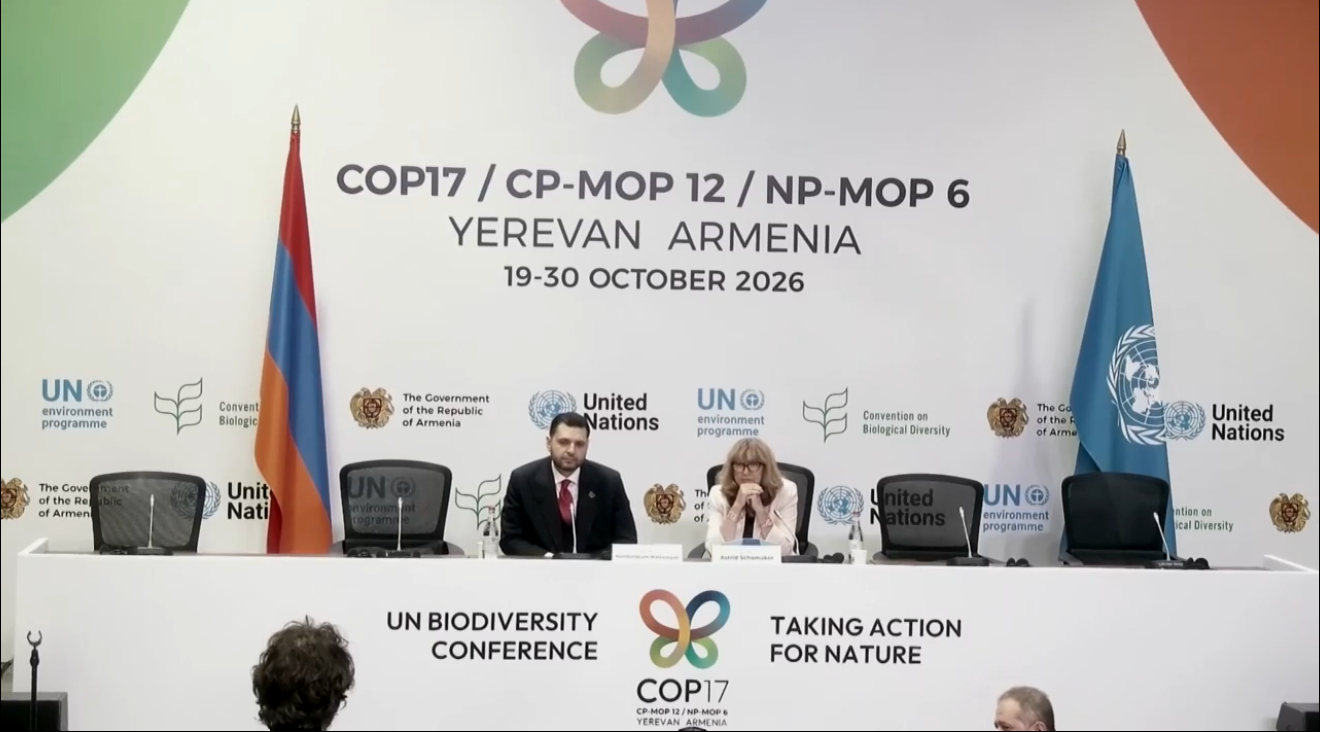
COP31’s presidency is asking countries to support a “35-by-35” electrification pledge, aiming to raise electricity’s share of global final energy consumption from around 23 percent to 35 percent by 2035. Presented at a November 10 press conference in Antalya, the initiative connects the climate negotiations to a practical question: how quickly can cleaner electricity replace fuels in daily life?
Background: “COP31 Presidency Event - Regional Pathways to Electrification,” UN Climate Change - Events, September 9, 2026. This discussion predates the November 10 pledge launch.
The official UN Climate Change transcript records the push to expand electricity’s role in transport, buildings and industry. It also makes clear that governments were still being encouraged to join and that officials were consulting on how electrification might appear in the conference’s final decision. As of November 11, a presidency pledge should not be described as a completed agreement by all countries.
What the number measures
“Final energy” refers to energy delivered for end use. In this context, electrification means replacing uses of fuels with electric technologies, such as electric vehicles, heat pumps and equipment for industrial heat. The target measures electricity’s share of that consumption. It is different from the percentage of electricity generated by renewable sources.
Both sides matter. Switching equipment to electricity changes how energy is used; expanding low-emissions generation changes how that electricity is produced. A rising electrification share cannot, by itself, tell a reader whether the power supply has become cleaner or whether energy is becoming more affordable.
The International Energy Agency’s Electrification report, published in September at the request of Türkiye and Australia, provides a basis for the debate. It finds substantial potential using existing technologies and explains why electric equipment can deliver more useful services from each unit of energy. The amount of energy bought and the useful heat or movement obtained are not the same thing.
The economics are promising, but uneven
In its announcement accompanying the report, the IEA says electricity could cost-effectively meet 33 percent of final energy consumption by 2035, using available technologies and energy prices from before the current supply shock. That gives the proposed 35 percent target an economic reference point. It remains an assessment of potential, rather than a forecast that the transition will happen automatically.
The difference is visible at household level. A technology can have lower running costs and still be difficult to buy. Upfront equipment costs, installation, access to finance and the local relationship between electricity and fuel prices affect the decision. A policy that makes a purchase possible can matter as much as a technical improvement in the product.
For industry, investment decisions also involve equipment lifetimes and the reliability of power supply. Businesses need confidence that a connection will be available when new machinery arrives. A national ambition is easier to announce than a dependable timetable for each factory or neighborhood.
The wires become the test
A COP31 session scheduled for November 11 focuses directly on those constraints. Its official brief describes renewable deployment outpacing network investment, projects waiting for connections and existing networks that could carry more power with better optimization and flexibility.
The same brief sets out plans for a Green Grids Initiative technical-assistance hub. That is evidence of the work the session was intended to advance, not proof that every proposed outcome has been delivered. Its importance is the shift toward practical support: helping governments match local grid problems with engineering, regulatory and financial expertise.
For readers following the negotiations, useful measures of progress will include funded network projects, shorter connection waits, cleaner generation and financing that reaches people who cannot pay the full upfront cost of switching. Participation in a pledge is one signal; those changes are the evidence that it is affecting energy use.
COP31 has placed a clear number on the table. Turning it into lower emissions and dependable service will require coordinated decisions about power generation, networks and the equipment people use. The ambition reaches into homes, streets and factories, where the success of an international climate promise will ultimately be felt.
Thumbnail: Power transmission lines in Calgary, Canada, in 2017. This archival image illustrates the electricity grid; it does not depict COP31. Photo: Tonyglen14 / Wikimedia Commons, CC BY 2.0. Original uploaded without alteration; thumbnail display may crop to fit.
Also check out our current Publication “The DOSSIER Mining” Issue available now!

DOSSIER Mining releases in retrograde 'In the Land of Chromatica' with Lady Gaga's Designer Xtian de Medici, Keren Wolf, FX Pose's Naomi Cruz honoring the life of Grandfather Hector of House of Xtravaganza as our 1st cover story & Award Winning Anna Schollerova from Nora K's Whisper Naked Shadow TV mini-series and much much more!! The DOSSIER Mining compared to 'The Aftermath' issue, & others before it, is elevated reaching a better and truer essence of the Cyclolore Brand from many aspects & will so moving forward.
Related Stories to read next from this featured panel!














COP31’s presidency is asking countries to support a “35-by-35” electrification pledge, aiming to raise electricity’s share of global final energy consumption from around 23 percent to 35 percent by 2035. Presented at a November 10 press conference in Antalya, the initiative connects the climate negotiations to a practical question: how quickly can cleaner electricity replace fuels in daily life?