
Hubble’s Next Upgrade Is Still a Question, Not a Mission
NASA is asking what commercial spacecraft could do for Hubble—not announcing a repair mission.
Hubble’s future may depend on a new kind of maintenance call. NASA is asking industry what it could do—not booking a repair mission.
The distinction matters. In an October 30 announcement, NASA described a request for information issued the previous day. It asks about raising Hubble’s orbit, servicing its capabilities, and safely handling the observatory at the end of its life. Responses are due November 30 at 3 p.m. Eastern. That is a deadline for industry information, not a launch date.
Hubble lacks propulsion to maintain its orbit. Atmospheric drag gradually lowers it; NASA’s current analysis places likely re-entry in 2033–2034 and anticipates any intervention would need to happen by 2032. Those estimates explain the inquiry’s urgency without turning it into an immediate rescue emergency.
Repair was part of the design
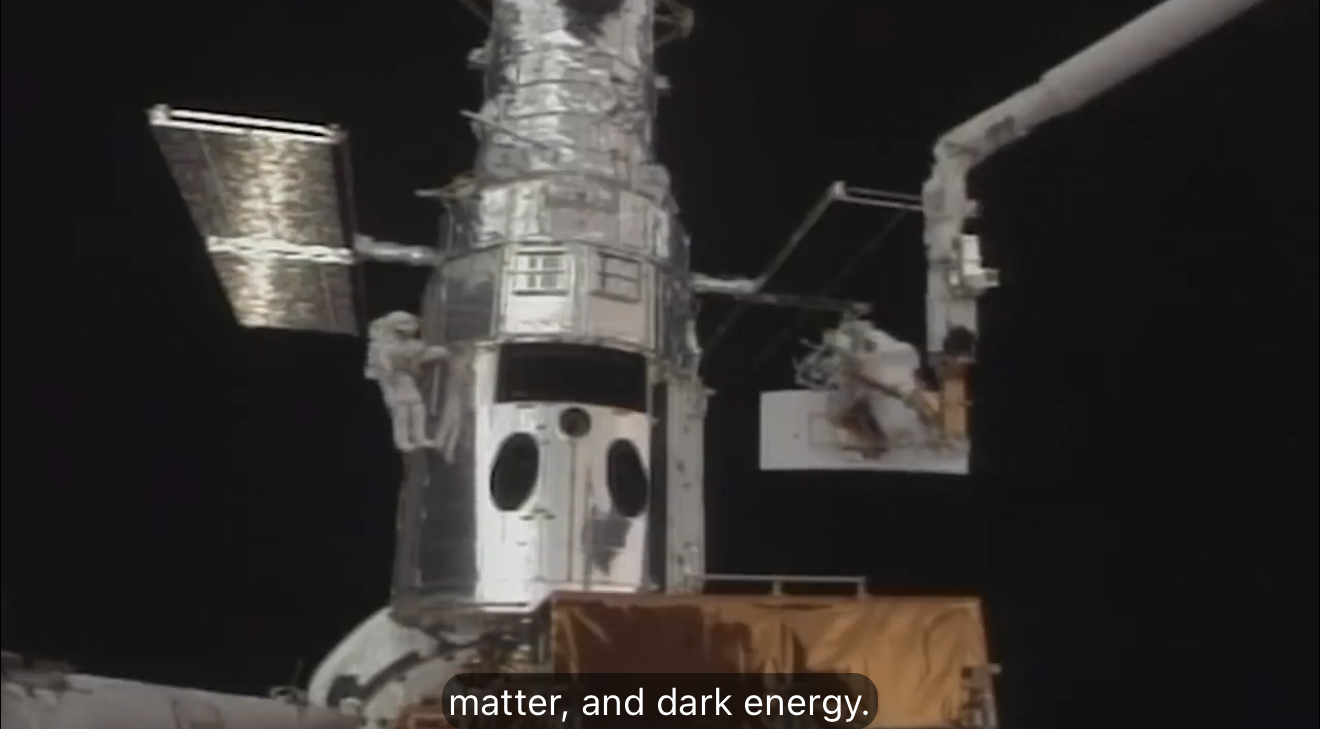
Hubble offers an unusually tangible argument for building technology that can be maintained. NASA’s servicing fact sheet records five astronaut visits. They replaced or repaired instruments, computers, batteries, gyroscopes and other hardware. The final visit, in 2009, also installed a soft-capture and rendezvous system. Its history is not simply one of keeping the original machine alive: its scientific equipment changed.
That history should encourage ambition, not erase the difficulty of a new approach. A telescope can be serviceable by design while a particular proposed mission still needs a convincing safety case. Past success is evidence that maintenance can matter; it is not automatic certification for a different vehicle or procedure.
From a slide deck to actual hardware
The inquiry arrives alongside another useful NASA publication. The agency’s October 29 account of its 2026 ISAM State of Play describes a 368-page survey of in-space servicing, assembly and manufacturing across 11 functional areas. Its admission rule is instructive: hardware must exist as a ground prototype or flight demonstration. An attractive presentation alone does not qualify.
The survey includes developer and facility information, connecting capabilities to the organizations working on them. But inclusion should not be read as proof that every listed technology is flight-ready, or appropriate for Hubble. A prototype and a demonstrated orbital operation are different milestones.
What a credible next chapter would show
For readers following this story, the useful questions are practical. What task would a proposed spacecraft perform? What evidence demonstrates that task? How would its operators protect the telescope during approach and contact? What would happen if the intervention could not be completed?
Those questions are more revealing than a dramatic rescue headline. They also separate three different outcomes: keeping an observatory higher, improving what it can do, and planning a responsible ending. A proposal might address one without delivering all three.
For now, the news is that NASA is gathering options. The next meaningful development would be a documented decision about those options, with responsibilities, technical evidence and a clear mission scope. Hubble’s longevity makes the possibility compelling. It does not make the result predetermined.
Historical context: NASA’s account of Hubble’s 2009 servicing mission. This is not footage of a new commercial mission.
Also check out our current Publication “The DOSSIER Mining” Issue available now!
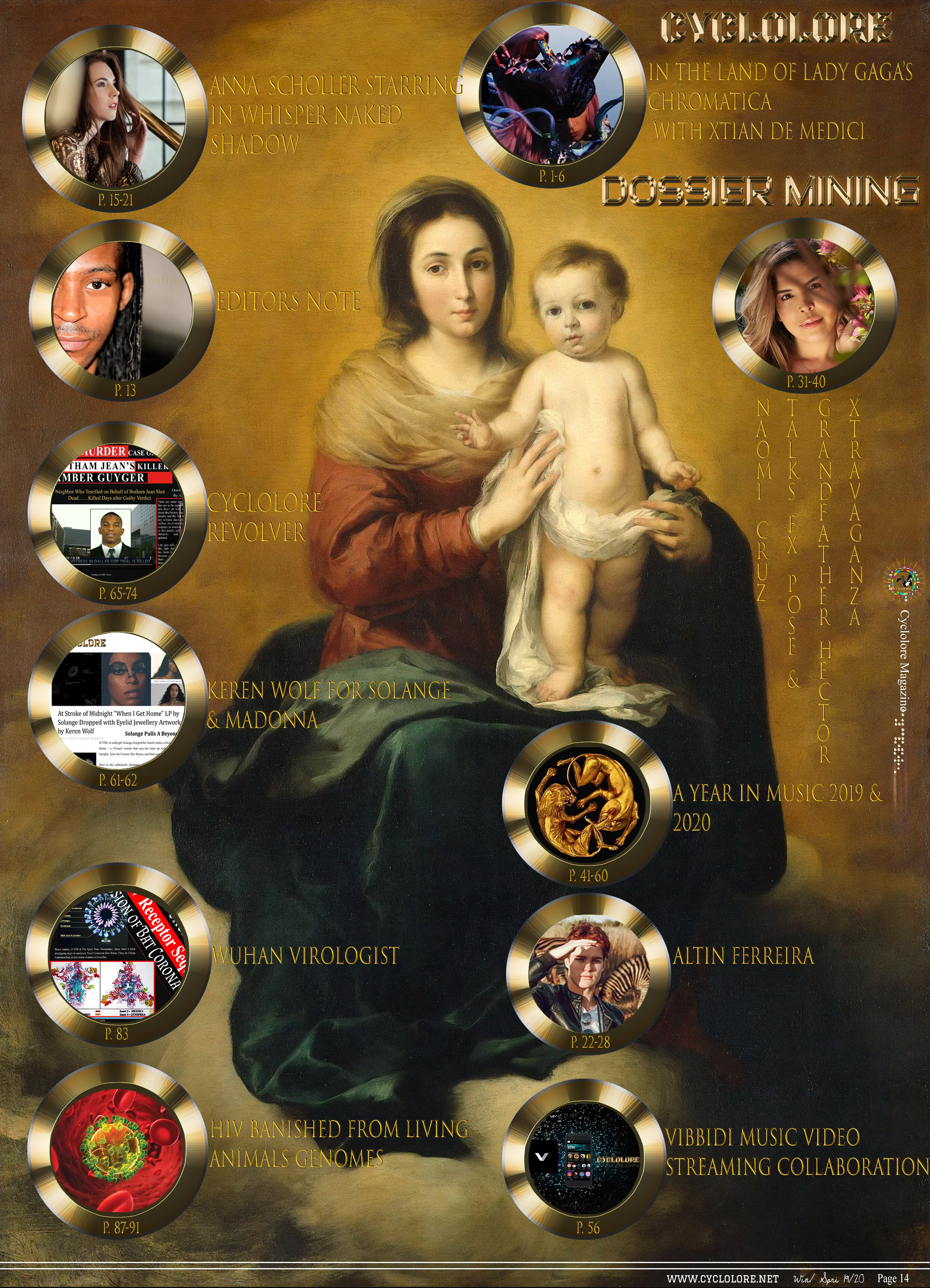
DOSSIER Mining releases in retrograde 'In the Land of Chromatica' with Lady Gaga's Designer Xtian de Medici, Keren Wolf, FX Pose's Naomi Cruz honoring the life of Grandfather Hector of House of Xtravaganza as our 1st cover story & Award Winning Anna Schollerova from Nora K's Whisper Naked Shadow TV mini-series and much much more!! The DOSSIER Mining compared to 'The Aftermath' issue, & others before it, is elevated reaching a better and truer essence of the Cyclolore Brand from many aspects & will so moving forward.
Related Stories to read next from this featured panel!



Google’s AI chips are heading to Oracle’s cloud in 2027. The October 27 announcement gives developers another infrastructure option, with practical questions still to answer.