
Florida Learjet Crash Kills Nine as NTSB Examines Weather and Possible Midair Breakup
Nine people died when a Learjet 60 crashed in Palm Beach County, Florida, on November 1.
Updated November 10, 2026: The NTSB announced on November 9 that investigators recovered the Learjet 60’s cockpit voice recorder at the site of initial impact. The recorder is being evaluated at the agency’s Vehicle Recorders Laboratory in Washington, D.C., and excavation work at the impact site is complete.
The update does not confirm that usable audio has been recovered, and the investigation has not established a probable cause. Previously reported exchanges between the crew and controllers, including weather warnings, come from air traffic control recordings, not audio recovered from this cockpit voice recorder.
Nine people died when a Learjet 60 crashed in Palm Beach County, Florida, on November 1. Federal investigators are examining the aircraft's final minutes, including crew reports of icing and turbulence and indications that parts of the jet may have separated before impact. No probable cause has been announced.
What is confirmed
The FAA says the aircraft crashed in a residential area near Cresthaven at approximately 12:50 p.m. local time. It had departed Austin–Bergstrom International Airport in Texas and was heading to North Eleuthera Airport in the Bahamas. Nine people were aboard. FAA accident statement
The National Transportation Safety Board identifies the operator as Aurora Aviation, doing business as Upper Jet. Its investigation, numbered ERA27MA026, remains ongoing, with the FAA supporting the inquiry. The NTSB cautions that its initial information is preliminary and subject to change. NTSB investigation page
The crew's reports before the crash
At a November 2 briefing, NTSB board member Tom Chapman described the crew reporting light clear icing and moderate turbulence while flying at 35,000 feet. After reporting precipitation, the crew requested and received clearance to climb to 37,000 feet. Less than 30 seconds later, a transmission reported a descent, followed by a mayday call. The crew subsequently reported an overspeed condition. WFLX's account of the NTSB briefingWeather remains a focus of the investigation. At the November 2 briefing, investigators had not confirmed whether the aircraft entered an active thunderstorm and were examining indications of a possible breakup before impact. WFLX
The crash also affected people on the ground. Authorities reported one ground injury, while hundreds of nearby residents remained displaced during the investigation. Associated Press
How to read the pilot commentary
The New York Post video linked below features interviews with two veteran pilots about the crash. Its title, “'They Shouldn't Have Been Flying': Pilots Break Down Deadly Florida Plane Crash,” presents a critical assessment, not an NTSB finding. Discussion of weather decisions or possible aerodynamic forces should be understood as outside analysis while investigators assemble the evidence. New York Post video
The confirmed loss of nine lives warrants careful reporting. Reports of icing, a rapid descent and possible structural separation are important evidence, but they do not yet establish why the aircraft crashed or who, if anyone, was at fault.
Related video
New York Post: pilot commentary supplied by Chris. Independent commentary; not an official investigation finding.
NTSB: Media Briefing 1, November 2. Official NTSBgov channel; investigators speaking to reporters.
Viewer discretion advised: coverage of this fatal crash may contain distressing footage or audio.
New York Post: outside pilot commentary about the November 1 Florida crash. These assessments are not official NTSB findings. Viewer discretion advised.
Official NTSB media briefing, November 2, 2026. Preliminary investigation information may change; no probable cause has been announced.
Also check out Cyclolore Magazine’s new DOSSIER Mining Issue & other publications we’ve released below!
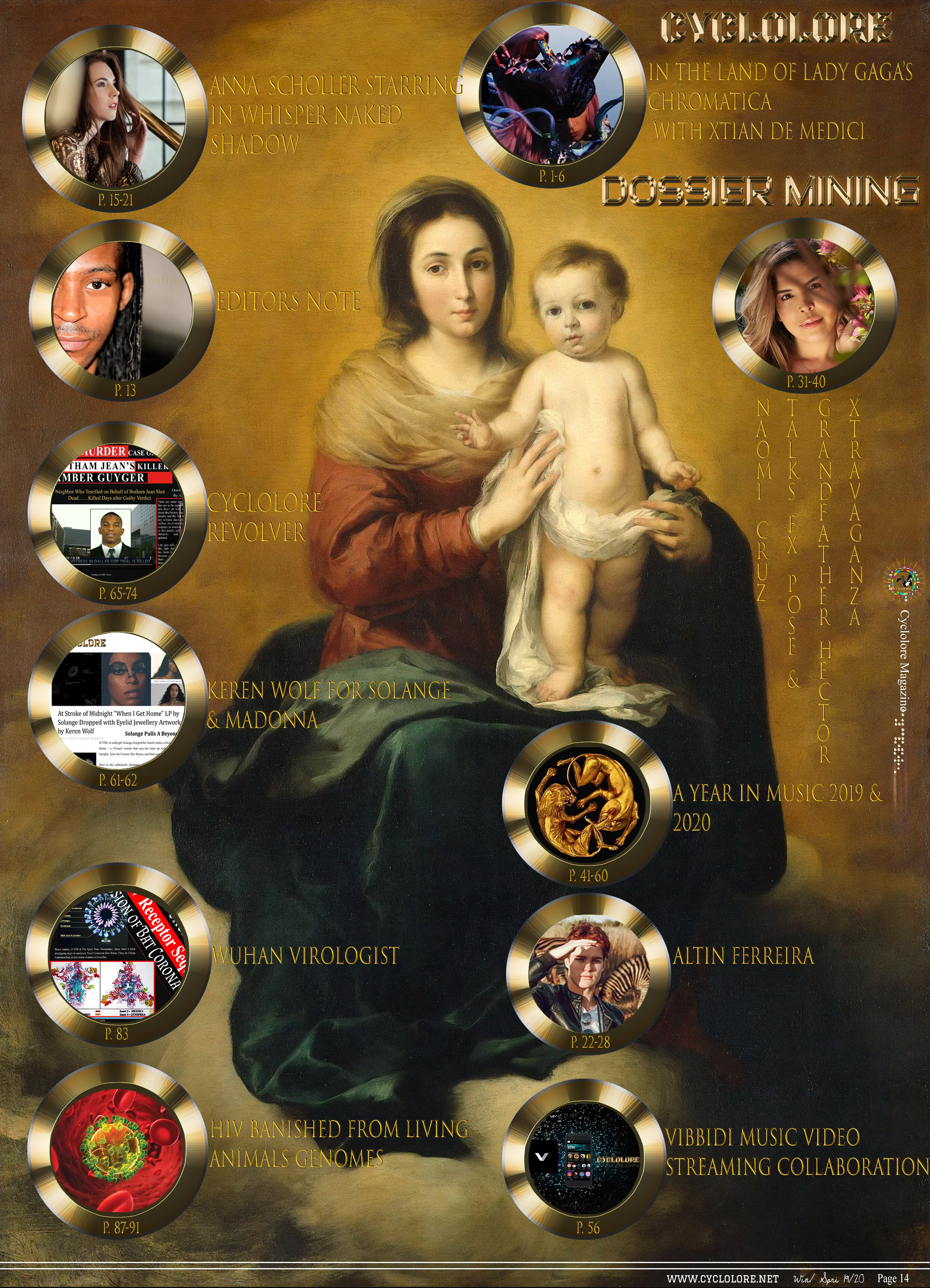
DOSSIER Mining releases in retrograde 'In the Land of Chromatica' with Lady Gaga's Designer Xtian de Medici, Keren Wolf, FX Pose's Naomi Cruz honoring the life of Grandfather Hector of House of Xtravaganza as our 1st cover story & Award Winning Anna Schollerova from Nora K's Whisper Naked Shadow TV mini-series and much much more!! The DOSSIER Mining compared to 'The Aftermath' issue, & others before it, is elevated reaching a better and truer essence of the Cyclolore Brand from many aspects & will so moving forward.
Related Stories to read next from this featured panel!
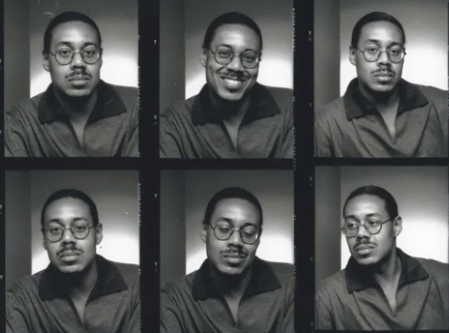
Twenty-five years after Michael Richards died in the September 11 attacks, his sculpture Free F’All continues to ask difficult questions about Black freedom and sacrifice. The Brooklyn Museum’s fall presentation brings renewed attention to a work made in 1997, before the loss that would so profoundly shape the way audiences encounter its maker.
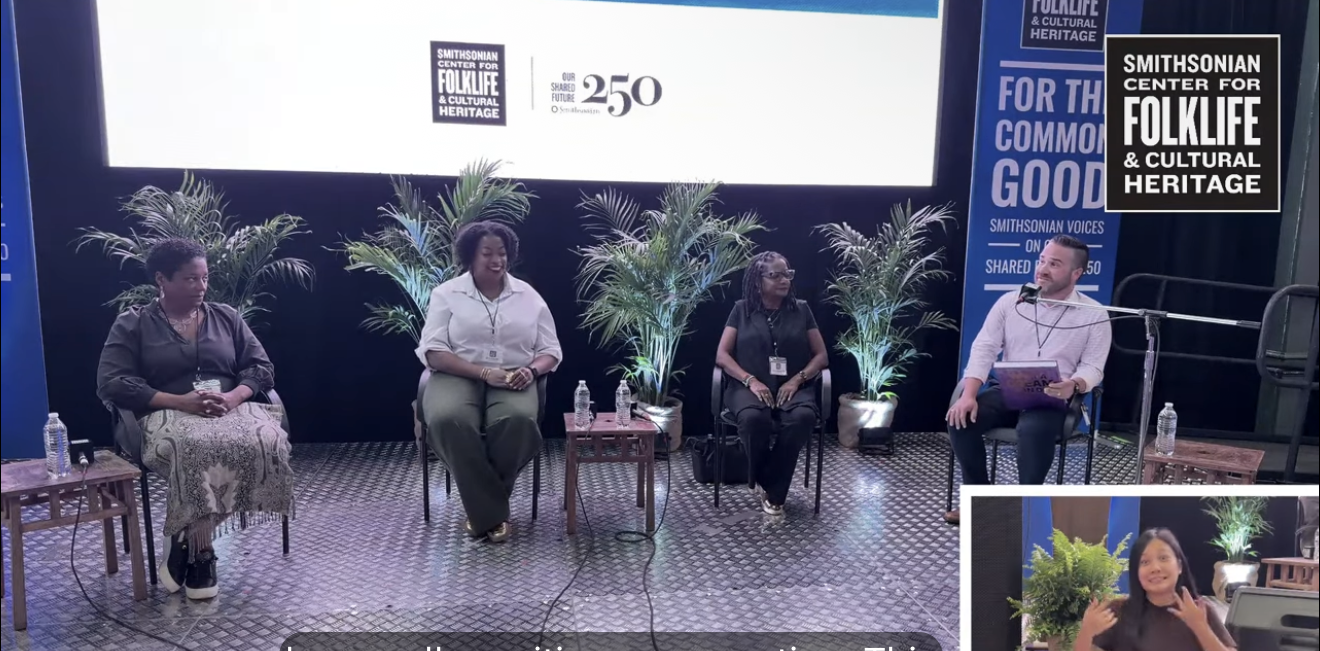
The Smithsonian’s What a Dream Can Do offers a closer look at the objects, families and museum workers who keep Black American history visible.
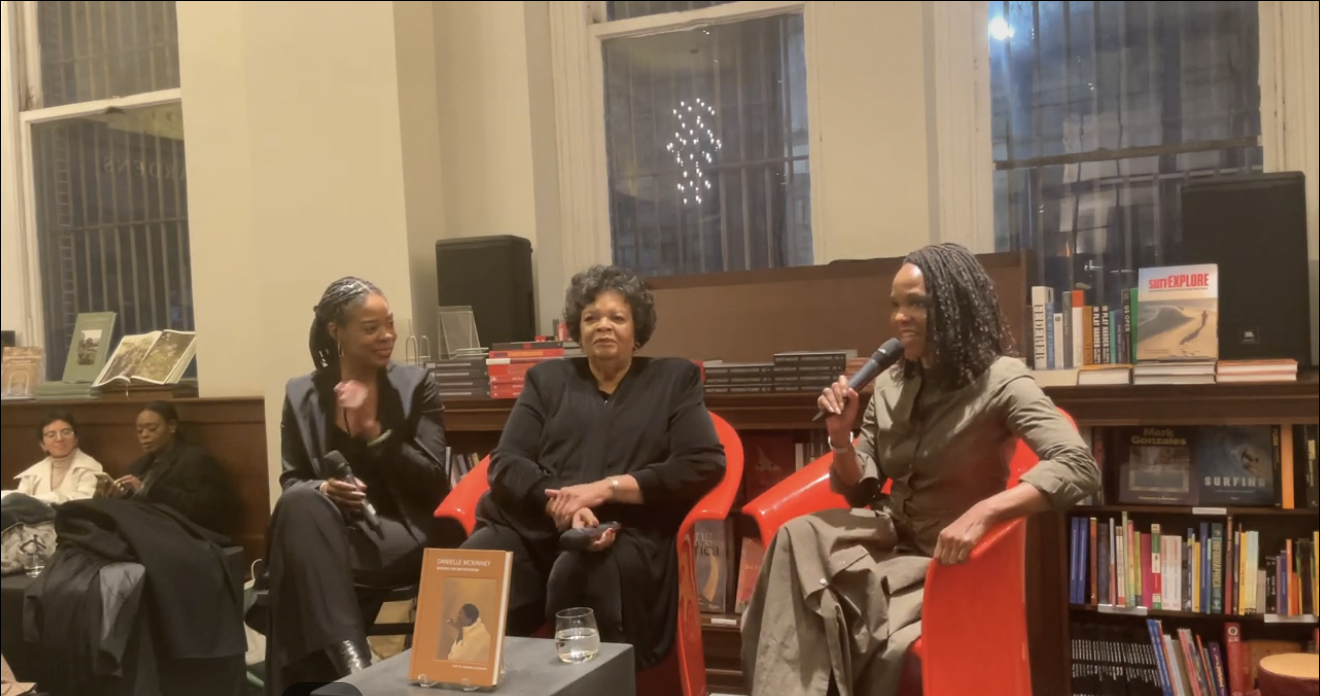
Danielle Mckinney’s upcoming New Orleans exhibition asks what a portrait can reveal without surrendering its subject’s privacy.
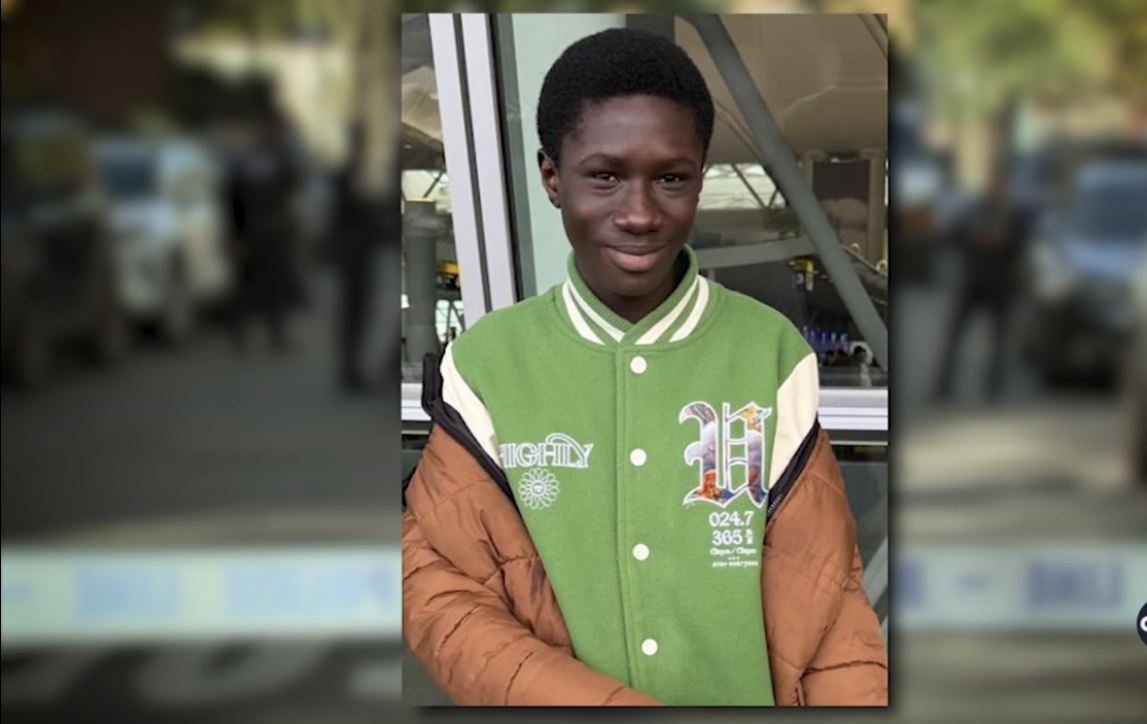
Javits Frimpong was 15. His death has brought a Bronx community together in grief and support for his family.
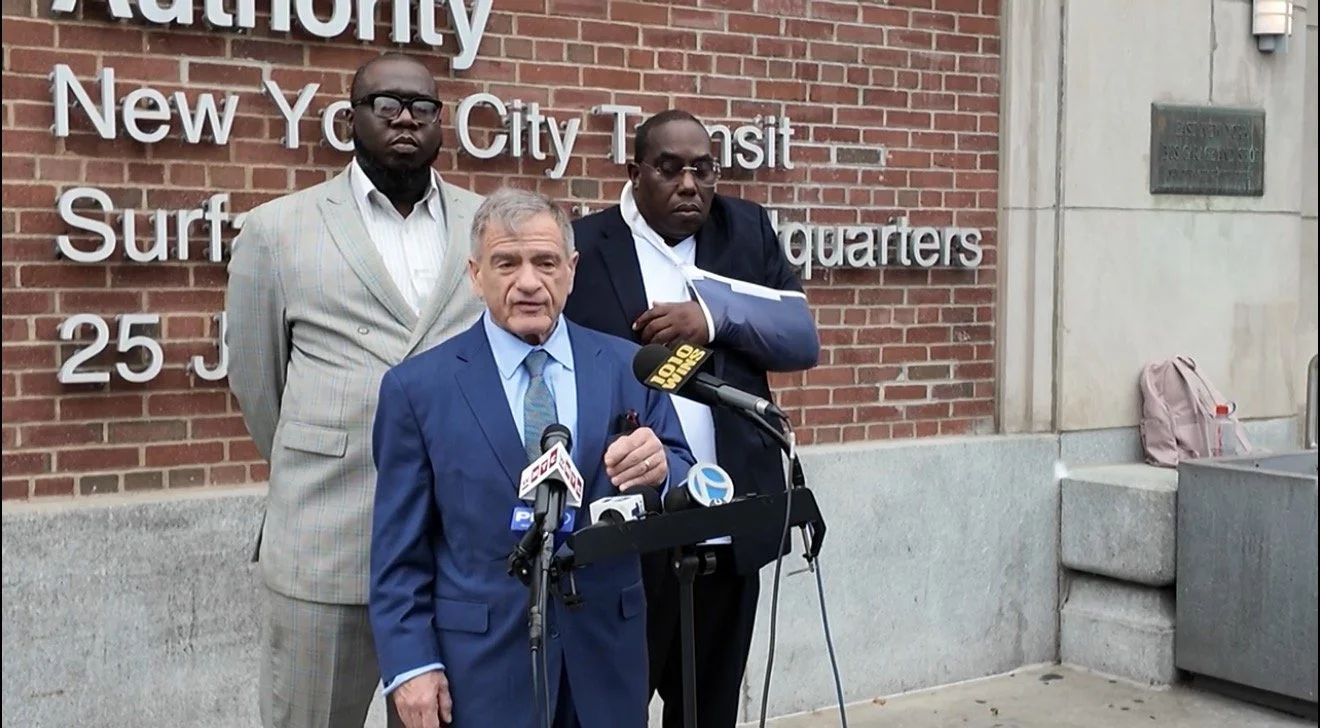
He says he had paid his fare. His encounter with MTA fare inspectors ended with allegations of assault, reported injuries and questions that the agency should not be allowed to brush aside.
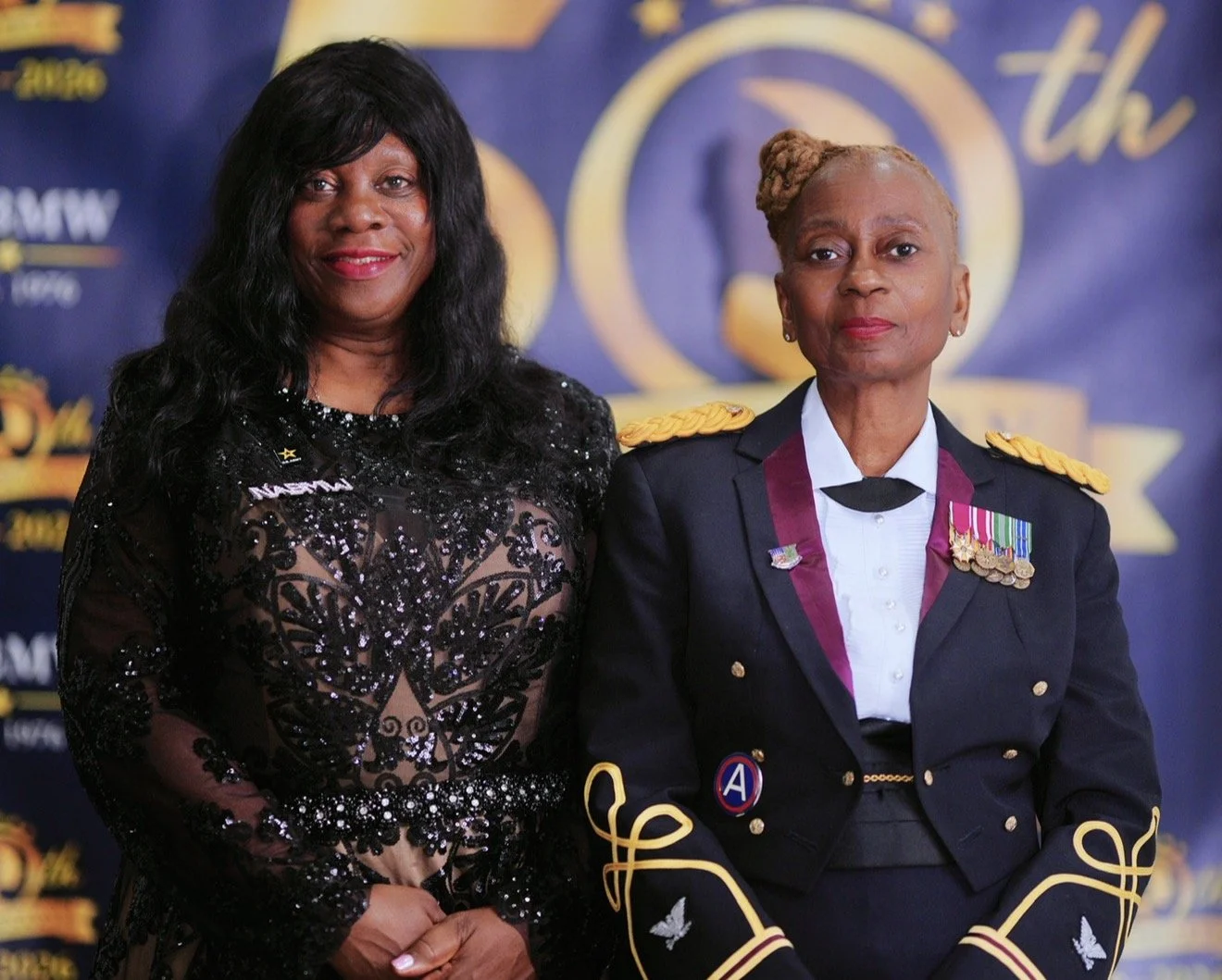
The National Association of Black Military Women marked its 50th anniversary with a gathering dedicated to preserving history and recognizing the contributions of Black women in military service. Held October 8–11, 2026, at Harborside Hotel in Oxon Hill, Maryland, the celebration carried the theme “Rooted in Legacy, Rising in Sisterhood.”
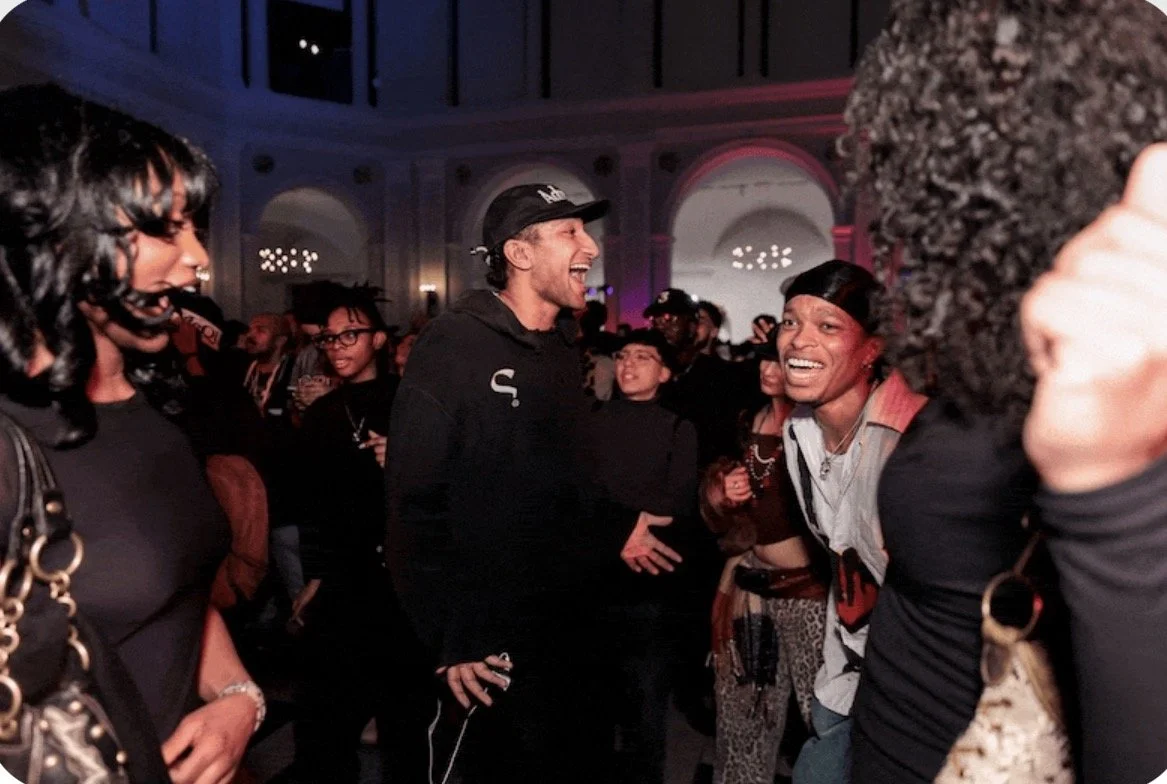
Keith Yamashita’s “What Season Is It, America?” was scheduled to bring poetry, photography and conversation to the Brooklyn Museum from October 21–25. This introduction examines the announced project, not eyewitness observations.
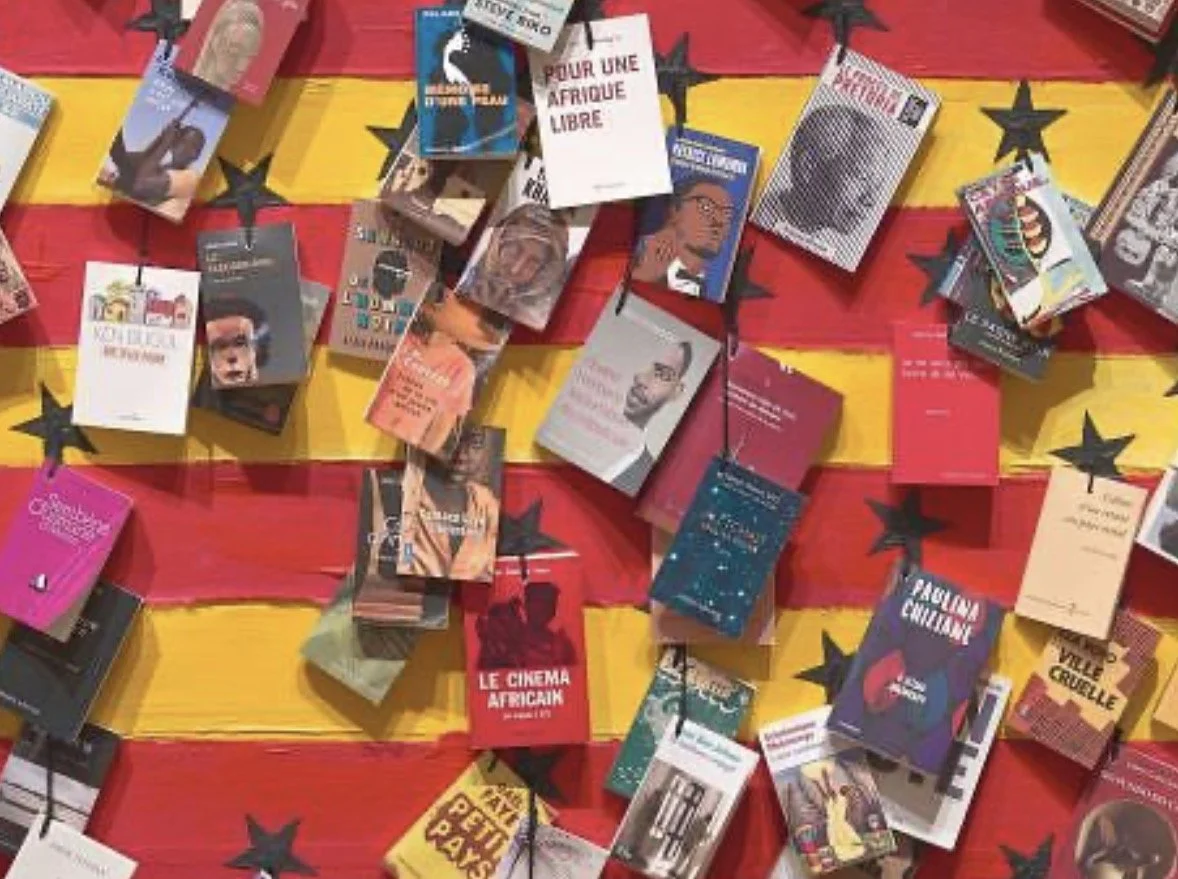
The Smithsonian’s National Museum of African Art is preparing to put its own collecting decisions on display. Announced October 22, “New & Now: A Decade Building the National Collection of African Art” opens November 6, inviting visitors to consider how a national collection grows and whose stories that growth makes visible.

Ibrahim Mahama’s The Harvest Season opened at Fondation Cartier on October 22, bringing Ghanaian history, artistic collaboration and the possibilities of cultural institutions into focus. The Paris exhibition runs through February 28, 2027.
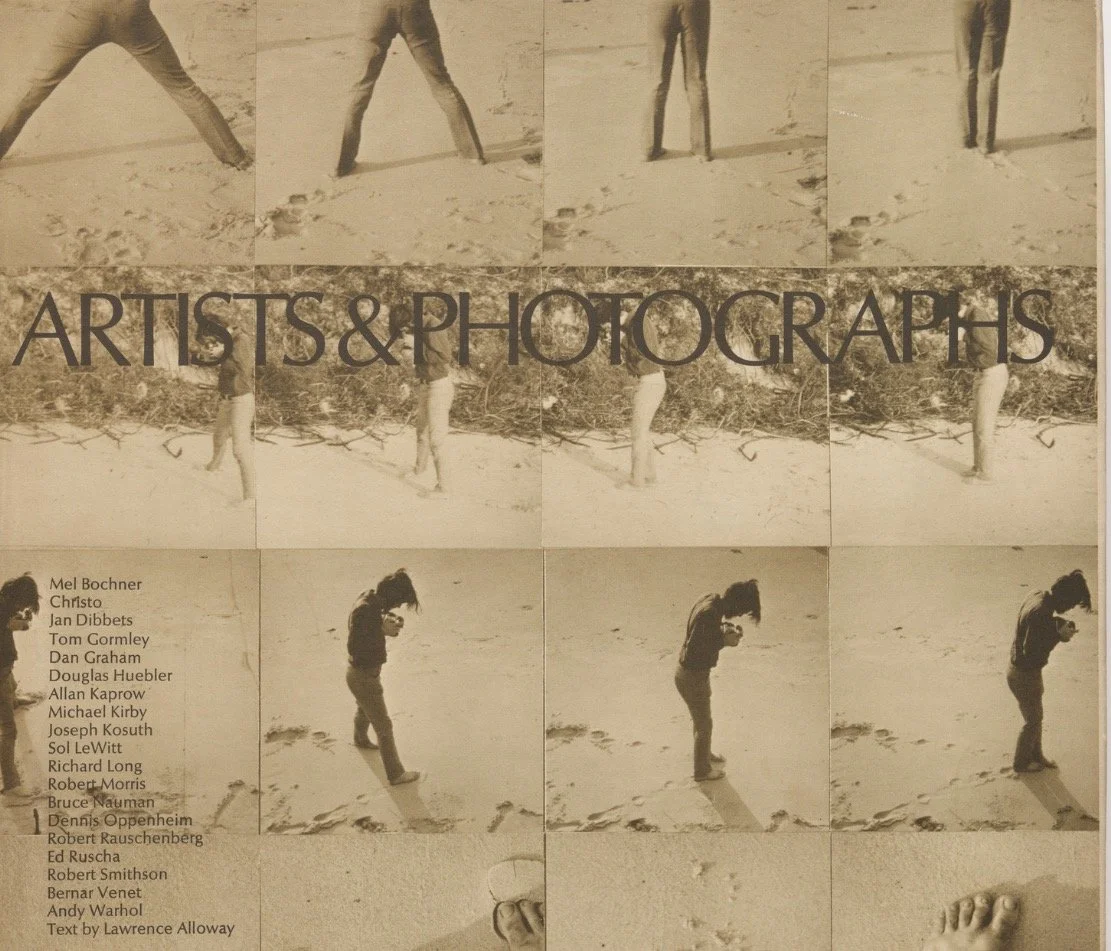
At MoMA, The Surrealist Book turns the familiar bound volume into a place for artistic rebellion.

Mariko Mori’s All That Shines opens October 31 at Tokyo’s Mori Art Museum, tracing three decades of art that brings technology, spirituality and human connection into the same space.

Federal agents searched Rep. Ilhan Omar’s Washington, D.C., home on October 12, just 22 days before the November 3 election in which she is seeking another term. The search has put a familiar democratic concern back in focus: how federal law enforcement exercises its power when voters are about to choose their representatives.
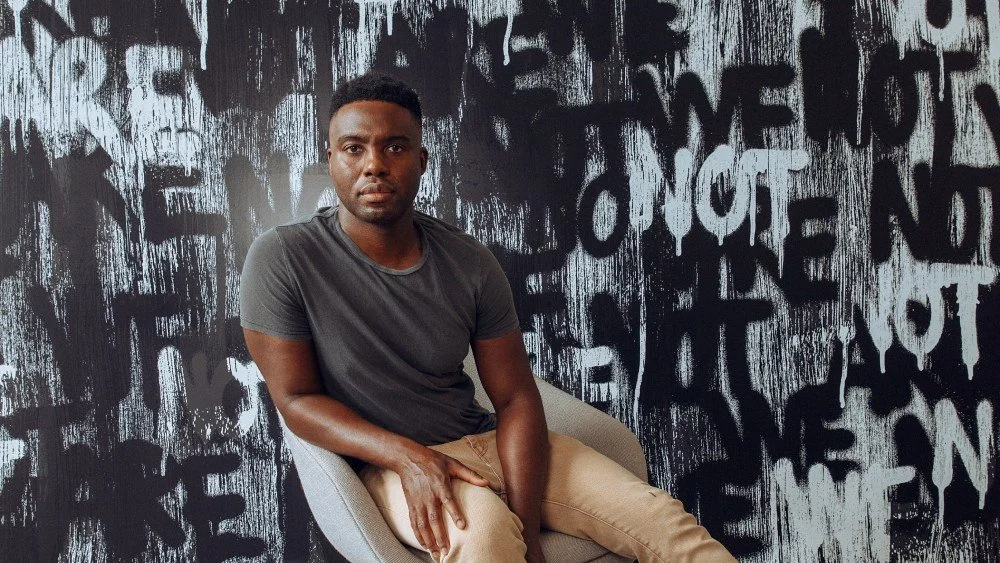
Adam Pendleton’s Some Wild Kind of Language opened at Amsterdam’s Stedelijk Museum on October 10. Running through January 17, 2027, the exhibition brings eleven paintings and eight large-scale drawings into a museum where the setting becomes part of the conversation.

Community leaders and immigration advocates took to the microphones after the Marble Hill shooting, joining calls for answers and accountability. The Facebook video below captures their public response as demands to release evidence and abolish ICE grew.

Navanethem “Navi” Pillay has won the 2026 Nobel Peace Prize for her work advancing peace and international law. Announced on October 9, the award recognizes a South African jurist whose career connects the struggle against apartheid with the development of international justice.
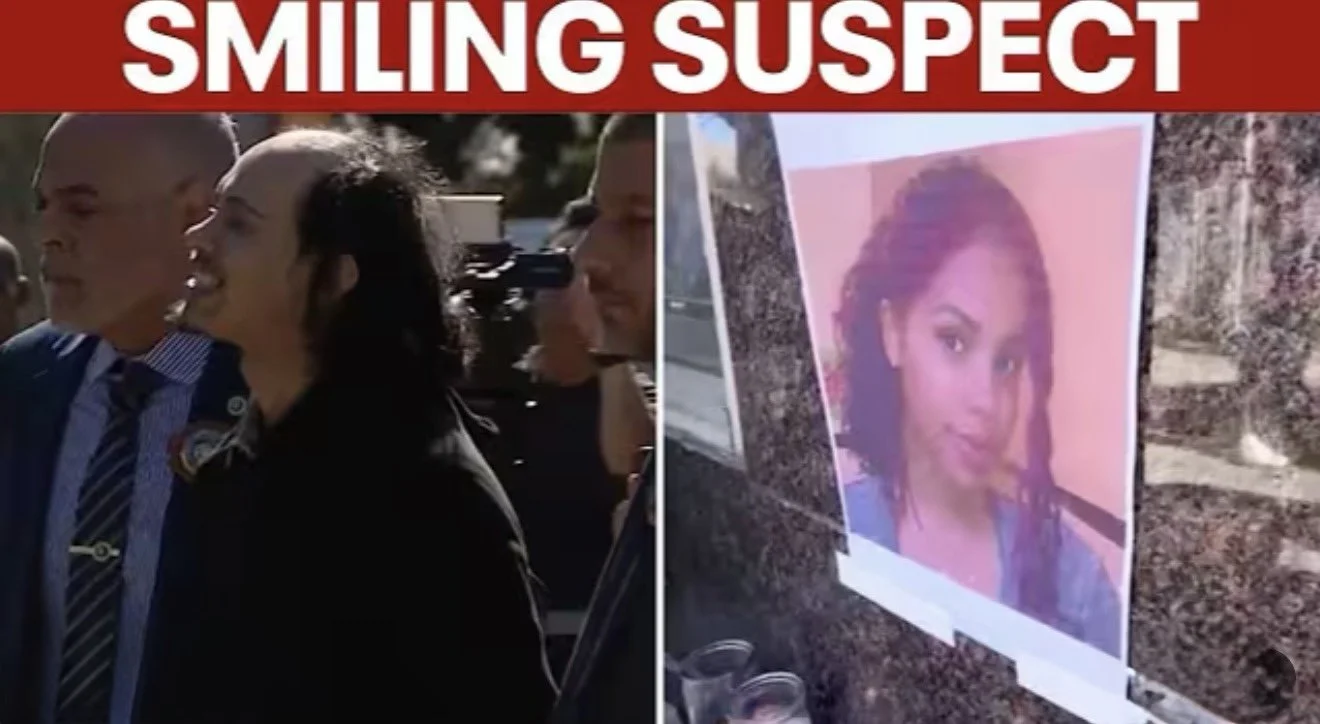
Authorities have arrested Angel Carrasco in connection with the death of Nathaly Ramirez, a 23-year-old Bronx mother who fell from a 15th-floor balcony while holding her infant daughter. The child survived and remained hospitalized Thursday, October 8.
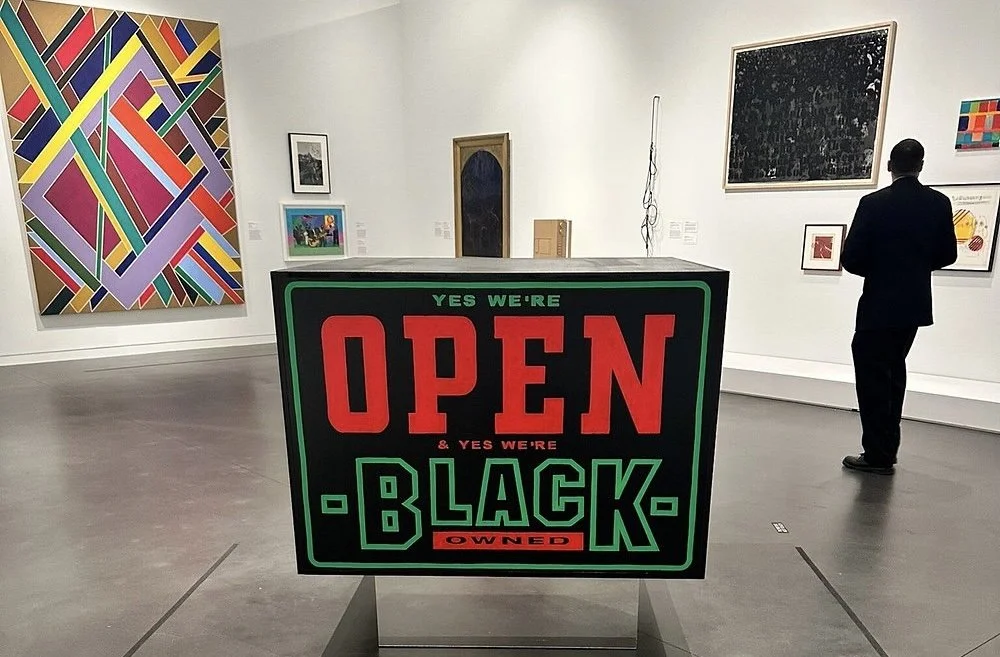
The Studio Museum in Harlem has fresh room for becoming. Opened October 1, A sustained becoming brings together Derriann Pharr, Simonette Quamina, and Taylor Simmons, the first artists in residence in its new building. Their different approaches to the figure give the institution’s next chapter a human scale.
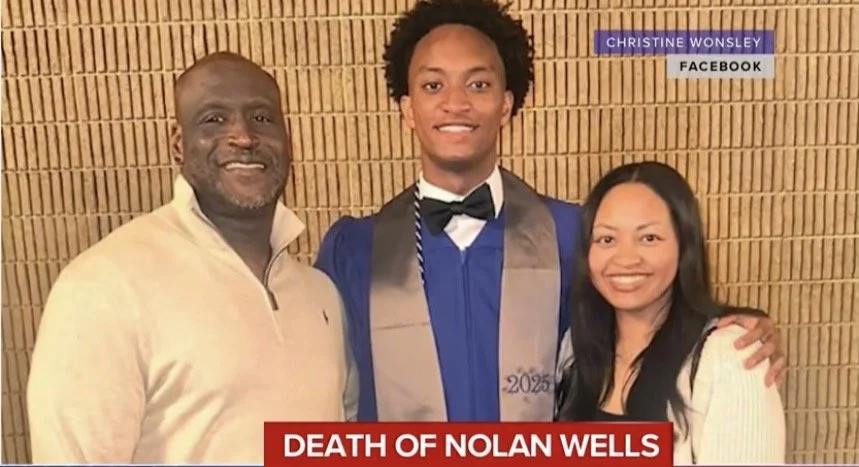
Nolan Wells’ family is renewing its push for a federal investigation after a Mississippi grand jury declined to indict anyone in his death. At an October 5 news conference in Inglewood, California, his parents and attorney Ben Crump called for another examination of the case that has drawn months of public scrutiny.
Ross is shown in front of Good's car at the start of the video. Good had stopped her burgundy SUV perpendicular to the street, blocking traffic. Ross crosses the front of the car and moves near the driver's side without saying anything.

The murder represents a brutal period in contemporary history and is the most recent horrifying instance of political violence depleting American morale. It comes after Trump was the target of two assassination attempts in 2024; Melissa Hortman, a popular Democratic lawmaker from Minnesota, and her husband were killed last year; a health insurance executive was allegedly killed on a New York street in 2024; and MAGA hero Charlie Kirk was brutally shot and killed in September.
My coat was banned by manager Terri Butler saying that I couldn't wear it walking around the hospital on the floor where the heater didn't work and on a morning when it was 49° all with her even being told that patients were even complaining about the cold and the seats being too cold, asking for cushions to sit on. The coat was actually casual, professional and meant to keep you warm, the coat was not distasteful or anything. It was Autumn colored plaid & insulated. The manager Terri explained the heater on the 4th floor doesn't actually work and that the place is a work in progress. I never was informed of my 30 day review like my co-worker was able to be participatory for her 30 day review. This would have been a fair interval of time to meet with me and advise of any leading termination thoughts on any "challenges" Ms. Terri Butler reasoned for the separation of my occupation at Brookdale Hospital as a Credit Interviewer.

"America has opened the door to hell for itself," the official Houthi news agency published an editorial on Monday, threatening retaliation for US Navy attacks on their boats in the Red Sea and alleging that the US is aiding Israel in its heavy bombardment of Gaza by preventing them from enforcing their ban on Israel-linked ships passing through the Red Sea.

The announcement of the release coincides with rising anticipation for a ground invasion that Israel claims is intended to drive out militants from Hamas, which controls the Gaza Strip. Israel stated on Friday that it had no intention of assuming long-term authority of the little region, which is home to some 2.3 million people.

His business partner, the radio host DJ Envy, who assisted in promoting the real estate endeavor, is also under investigation. Federal agents visited the iHeartRadio office where Envy works and took electronic devices as part of the inquiry, according to NBC 4.

1+ Year start-up, as Intake Specialist, you work in a 2 rm. Basement & defective computer equipment. 1 small bathroom for everyone in condensed space shared with field nurses as well when they come in to replenish their field equipment. Underpaid for strenuous duties, chaotic flow & training, early but growing stage of development.

According to Bob Savage, head of markets, strategy, and analytics at BNY Mellon, "the USD is unlikely to lose its global reserve status anytime soon - new currency unions should look to technology or green baskets, rather than gold- or carbon-based ones."

“At the time, we did not have the luxury of all the videos that we have seen now, that you and I have seen, and that the world has seen. Basically all we had were witness statements and he-said, she-said so our police officers and detectives had to decipher through all that and then apply the appropriate charges at that time,” Albert unpacked.

The Wuhan COVID Virus nightmare is continuing to shock us again and again as videos emerge from the country showing the weight of the tragedy in China. The first video shows what looks like a parking lot with dead bodies aligned everywhere the camera pans. The scary resemblance of when the virus first erupted in China back in 2019-2020, only now its worse with a cocktail of variants circulating.
Nine people died when a Learjet 60 crashed in Palm Beach County, Florida, on November 1. Federal investigators are examining the aircraft's final minutes, including crew reports of icing and turbulence and indications that parts of the jet may have separated before impact. No probable cause has been announced.