
Room to Become: Three Artists Reimagine the Figure at Harlem’s Studio Museum
The Studio Museum’s first resident cohort in its new home turns figuration into an expansive conversation about memory, selfhood, and the conditions that let Black artists work.
The Studio Museum in Harlem has fresh room for becoming. Opened October 1, A sustained becoming brings together Derriann Pharr, Simonette Quamina, and Taylor Simmons, the first artists in residence in its new building. Their different approaches to the figure give the institution’s next chapter a human scale.
The exhibition runs through January 3, 2027, with Adria Gunter organizing the presentation and Cam McEwen providing exhibition support. Painting, printmaking, collage, drawing, sculpture, and mixed media share the program. The museum describes cultural memory as a connecting thread, with imagery moving through recollection and dreams. That framing leaves considerable room for difference: each artist arrives with a particular history, a distinct handling of materials, and a different question about how a body can appear.
There is a practical story underneath that thematic one. The 2026 residency runs from March 15 to October 15, placing the exhibition’s opening within the final weeks of the program. The artists have individual studios and a shared lounge in the J. Bruce Llewellyn Artist in Residence Center. Institutional and material support, exchanges with curators and other museum participants, professional development, and a publication accompany the space. These are concrete conditions for making art, often easy to overlook once the work reaches a gallery.
For Pharr, the figure offers room to renegotiate the self. Born in Winfield, Alabama, she works across media with questions of identity, safety, memory, and the body. The museum’s account of her practice connects its changing forms to womanhood, self-compassion, and the scrutiny placed on marginalized bodies in the American South. Her figures depart from anatomical realism. Fluid contours and gestural marks create bodies able to move beyond the physical rules and social expectations imposed on their maker.
Read through that account, distortion becomes a deliberate artistic choice. A body can stretch, blur, or change shape without surrendering its emotional specificity. For viewers accustomed to treating representation as a test of resemblance, Pharr’s practice suggests another question: how much freedom can an image give its subject? The answer depends on attending to the drawing itself, including the places where a contour refuses to settle.
Quamina brings the movement of a diasporic childhood into the material construction of images. Born in Canada, she grew up across the Caribbean, South America, and New York. Her large prints and collaged graphite drawings reconstruct personal and shared histories. In an artist statement published by the Elizabeth Foundation for the Arts, she describes cutting and joining prints as a way to build layered narratives and unsettle romanticized images of the Caribbean. Graphite’s ability to absorb and reflect light becomes part of that process.
The combination invites close attention to edges and joins. Collage can make memory’s editing visible: one fragment sits against another, and the connection produces a meaning neither could carry alone. In Quamina’s stated approach, the physical assembly of paper also echoes the work of adjusting to a new place. Diaspora enters the picture through the artist’s method as well as its subject.
Simmons works with a different image archive. Raised in Atlanta and now based in New York, he draws inspiration from music, found photographs, and viral video clips. His paintings layer acrylic, oil, airbrush, and wax, often using fluorescent color and moving between recognizable figures and abstraction. The museum identifies masculinity, youthful play, work, and rest among his recurring concerns. Sampling provides a useful way into this practice: familiar visual material can acquire a different rhythm when its surroundings change.
Together, these practices offer several ways to think about a figure before deciding what it represents. Pharr’s transformations ask about permission and self-regard. Quamina’s assembled surfaces bring histories into contact. Simmons’s remixed imagery considers how everyday life gets pictured and performed. This is an interpretive route into the exhibition, grounded in the artists’ accounts; the encounter with individual works should be allowed to complicate it.
The Studio Museum proposed its residency at its founding in 1968 and began the program in 1969. Its community now includes more than 150 alumni. That history makes this inaugural cohort in the new building consequential without requiring predictions about future fame. An institution sustains artistic life through what it makes available while the work is taking shape. This October, visitors can consider that investment alongside three artists who are still developing the forms their experiences require.
A sustained becoming is on view at the Studio Museum in Harlem, 144 West 125th Street, through January 3, 2027. The museum’s exhibition page includes installation photographs for readers planning a visit.
Watch: The Elizabeth Foundation for the Arts visits Simonette Quamina’s studio in the archival film below. This is background on her practice, not footage of the current Studio Museum exhibition.
Archival studio visit: Simonette Quamina, courtesy of The Elizabeth Foundation for the Arts.
Also check out Cyclolore Magazine’s new DOSSIER Mining Issue & other publications we’ve released below!
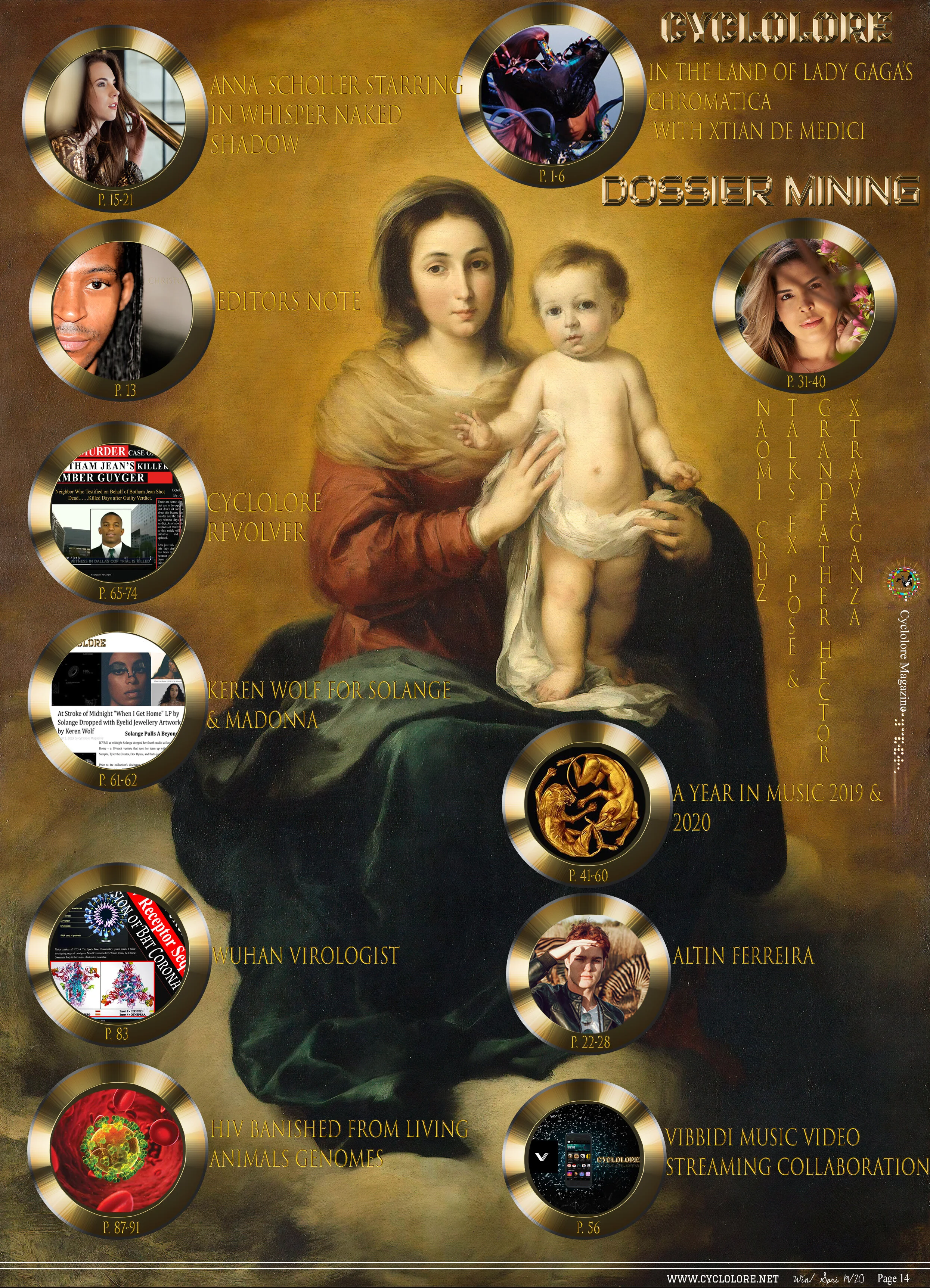
DOSSIER Mining releases in retrograde 'In the Land of Chromatica' with Lady Gaga's Designer Xtian de Medici, Keren Wolf, FX Pose's Naomi Cruz honoring the life of Grandfather Hector of House of Xtravaganza as our 1st cover story & Award Winning Anna Schollerova from Nora K's Whisper Naked Shadow TV mini-series and much much more!! The DOSSIER Mining compared to 'The Aftermath' issue, & others before it, is elevated reaching a better and truer essence of the Cyclolore Brand from many aspects & will so moving forward.
Related Stories to read next from this featured panel!






The Studio Museum in Harlem has fresh room for becoming. Opened October 1, A sustained becoming brings together Derriann Pharr, Simonette Quamina, and Taylor Simmons, the first artists in residence in its new building. Their different approaches to the figure give the institution’s next chapter a human scale.