
Inside Bloomsbury Brings Art and Everyday Life Back Into Debate
Tate Britain’s new Vanessa Bell and Duncan Grant exhibition asks how a shared life becomes a creative practice.
Vanessa Bell and Duncan Grant return to the centre of the exhibition conversation this week as Inside Bloomsbury opens at Tate Britain, following its November 12, 2026 launch. Running until April 11, 2027, the show brings renewed attention to a creative partnership that extended across painting, design and the rooms in which the artists lived.Vanessa Bell and Duncan Grant return to the centre of the exhibition conversation this week as Inside Bloomsbury prepares to open at Tate Britain on November 12, 2026. Running until April 11, 2027, the show brings renewed attention to a creative partnership that extended across painting, design and the rooms in which the artists lived.
Background film (2024): Garden Museum’s Gardening Bohemia: Vanessa Bell’s garden at Charleston. Not footage of the 2026 Tate Britain exhibition.
The dates and collaboration with Charleston are confirmed in Tate Britain’s exhibition listing on Google Arts & Culture. Its account places the artists’ shared work alongside their individual development. That distinction matters. A joint exhibition can make influence visible, but it also risks allowing the story of a relationship to overwhelm the separate decisions made by each artist.
More than a shared biography
The exhibition’s advance materials describe a presentation that moves across portraits, landscapes and decorative objects. Tate’s release also identifies a particularly useful comparison: Bell’s Still Life on Corner of a Mantelpiece and Grant’s The Mantelpiece, both from 1914. Seeing two responses to a related subject offers a concrete way to consider what artistic proximity produces. Read Tate’s announcement, distributed by WebWire.
For visitors, that suggests a more rewarding starting point than memorising the Bloomsbury family tree. Look for changes in shape, colour and emphasis between the two artists. Ask what each chooses to include, simplify or leave unresolved. Shared surroundings do not automatically create identical pictures, and the value of a paired display lies partly in making those differences easier to notice.
The decorative work widens that question. A painting can be considered as a self-contained object, while a chair, a textile or a plate has a use and a place in daily routines. Tate’s announced selection includes the pair’s Famous Women Dinner Service, made in 1932–34: fifty painted Wedgwood plates devoted to women from history. The project offers a direct meeting of image-making, domestic objects and cultural memory. Exhibition details.
A studio with a future to protect
Charleston’s studio collection is central to the exhibition, and its temporary move has a practical purpose beyond presentation. The Charleston Trust’s Studio 100 campaign explains that the period at Tate creates an opportunity to conserve the original space. Its plans address water ingress, damaged building elements, painted surfaces and environmental controls. Read Charleston’s illustrated conservation plan.
This is an important counterweight to the romance of an artist’s house. Creative rooms survive through maintenance, specialist work and money. A visitor encountering the studio’s contents in London is also seeing objects whose usual surroundings require active care. The exhibition and conservation project connect the public visibility of an artistic legacy with the less glamorous work needed to keep it accessible.
Charleston’s account of the room includes painted furniture, ceramics, fabrics and personal material. Such objects make the studio useful to think with: how much of a creative practice happens in a finished artwork, and how much is carried by the environment that supports it? The question has relevance for anyone arranging a working space, without requiring that their home imitate Bloomsbury decoration.
An opening worth discussing
The critical response already shows disagreement. The Guardian’s Jonathan Jones questions the paintings’ achievement. The Times presents a markedly enthusiastic response, emphasising the exhibition’s capacity to inspire everyday creativity. These are critics’ assessments, not a verdict based on a Cyclolore visit.
That difference makes the opening timely for reasons beyond the calendar. It invites a serious conversation about the standards applied to art that moves between pictures, objects and domestic life. Readers do not need to settle that argument in advance. A useful approach is to arrive with two questions: which individual works hold your attention, and what becomes clearer when they are considered alongside the lives and spaces around them? Inside Bloomsbury gives that conversation a substantial public setting this week.
Watch: Charleston background
For historical context, the Garden Museum’s three-minute film Gardening Bohemia: Vanessa Bell’s garden at Charleston visits head gardener Harry Hoblyn. First released in 2024, it explores Charleston’s garden and creative setting. It is background viewing, not footage from the 2026 Tate Britain exhibition.
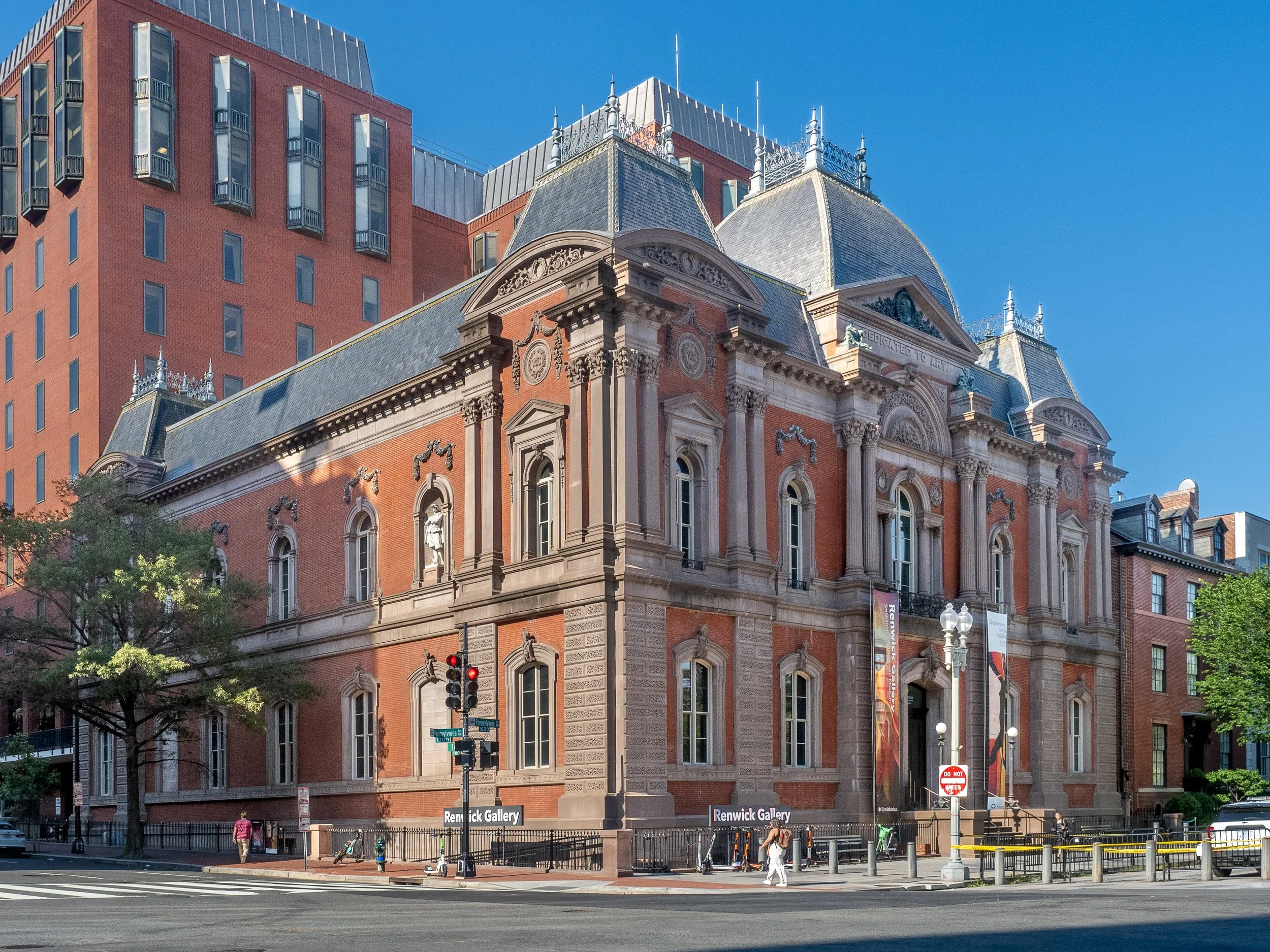
Thumbnail: Tate Britain exterior, photographed in 2014; an archival venue image, not the Inside Bloomsbury exhibition. Photo: Eric Ferrari / Wikimedia Commons, CC BY-SA 3.0. Original image uploaded without alteration; thumbnail display may crop to fit. Any adapted image remains under CC BY-SA 3.0.
Also check out Cyclolore Magazine’s new DOSSIER Mining Issue & other publications we’ve released below!
DOSSIER Mining releases in retrograde 'In the Land of Chromatica' with Lady Gaga's Designer Xtian de Medici, Keren Wolf, FX Pose's Naomi Cruz honoring the life of Grandfather Hector of House of Xtravaganza as our 1st cover story & Award Winning Anna Schollerova from Nora K's Whisper Naked Shadow TV mini-series and much much more!! The DOSSIER Mining compared to 'The Aftermath' issue, & others before it, is elevated reaching a better and truer essence of the Cyclolore Brand from many aspects & will so moving forward.
Related Stories to read next from this featured panel!













Vanessa Bell and Duncan Grant return to the centre of the exhibition conversation this week as Inside Bloomsbury opens at Tate Britain, following its November 12, 2026 launch. Running until April 11, 2027, the show brings renewed attention to a creative partnership that extended across painting, design and the rooms in which the artists lived.