
Dawn Richard Brings Her Own New Orleans Story to creole culture
Her new album completes a family-centered trilogy with Louisiana Creole language, a live ensemble and guests including Big Freedia, Tank Ball and her father.
Dawn Richard’s creole culture arrives today, October 9, on Merge Records. The album completes her New Orleans trilogy with a story told from her own perspective, bringing family, local collaborators and Louisiana Creole language into an 11-song release.
The project follows New Breed in 2019 and Second Line in 2021. Although it is Richard’s first solo album in five years, she has remained active between those releases: collaborations with Spencer Zahn produced Pigments in 2022 and Quiet in a World Full of Noise in 2024. This return to her solo catalog gives her hometown another central role.
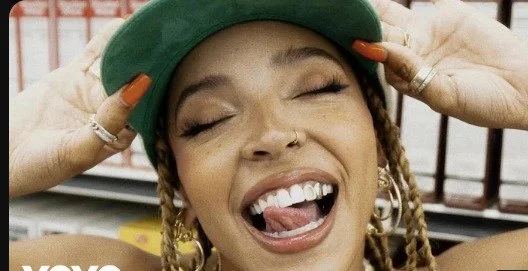
Dawn Richard — “only fans.” Official music video released October 9, 2026.
Her own place in the family story
In a September interview with YAMS, Richard explained that New Breed had approached New Orleans through her father’s eyes, while Second Line reflected her mother’s perspective. She had thought the story was finished before realizing her own account was missing. That distinction gives creole culture its purpose: a daughter carrying the family conversation forward, with the freedom to change its shape.
The details extend beyond a family narrative. YAMS reports that Richard incorporates Kouri-Vini, the Louisiana Creole language, in the album’s interludes. The credits for “enough” name Clif St. Laurent and Christophe Landry for its Creole interlude. They also identify a sample of Sister Nancy’s “Bam Bam,” placing a specific Caribbean recording alongside the language and musicians contributing to Richard’s portrait of home.
The people inside the record
The album credits name Richard and Katalyst Collective as executive producers, with Eric Heigle mixing, Alex Komlos handling vocal mixing and Roye Robley mastering. The personnel make the collaboration tangible. On “chuuuuurch,” Greg Paul plays drums, Brandon Cordoba supplies keys, synths and organ, and Marlon Spears plays bass. David Otis’s saxophone, Jonah Levine’s trombone, Ahmad Dubose-Dawson’s percussion and a four-person choir fill out the credited ensemble.
Dawn Richard — “chuuuuurch” featuring Jelly Joseph. Official music video.
The tracklist brings several distinct voices into that setting. Big Freedia appears on the opening “a creole culture intro”; Anjelika “Jelly” Joseph joins “chuuuuurch”; Tarriona “Tank” Ball features on “l v r”; and Durand Bernarr appears on “baby, can we?” Richard’s father, Frank Richard of Chocolate Milk, is credited on “groove city.”
That last connection reaches into the family’s recorded history. In his release-day Pitchfork review, Stephen Kearse describes “groove city” as a reworking of Chocolate Milk’s 1979 song, co-written by Richard’s father. Kearse notes the new version’s jungle breaks, an example of how an inherited recording can become material for a younger artist’s present-day choices.
Where to begin
The singles offer straightforward entry points. “enough” arrived on August 5, while “baby, can we?”, written by Richard and Bernarr, dates to June 16. The official “chuuuuurch” video adds a visual companion: Zebretta Johnson directed it, with animation credited to Richard. Its published credits also name Richard, Heigle and Michael De’Jour Thomas as the song’s producers.
Dawn Richard — “baby, can we?” featuring Durand Bernarr. Official music video.
For more context, Richard’s release-day Ladies First conversation with Radio Milwaukee returns to the trilogy’s shifting family perspectives and her search for joy through difficult moments. That conversation offers a useful companion to the album’s larger question of how an artist tells her own story while remaining connected to the people who shaped it.
The complete album runs about 43 minutes. Listen on Spotify or Apple Music, with purchase options through Bandcamp and Merge. Start at the opening track and follow the credited voices through the sequence. They provide a concrete way into the release’s central idea: New Orleans as a culture Richard continues to participate in and help create.
Also check out Cyclolore Magazine’s new DOSSIER Mining Issue & other publications we’ve released below.
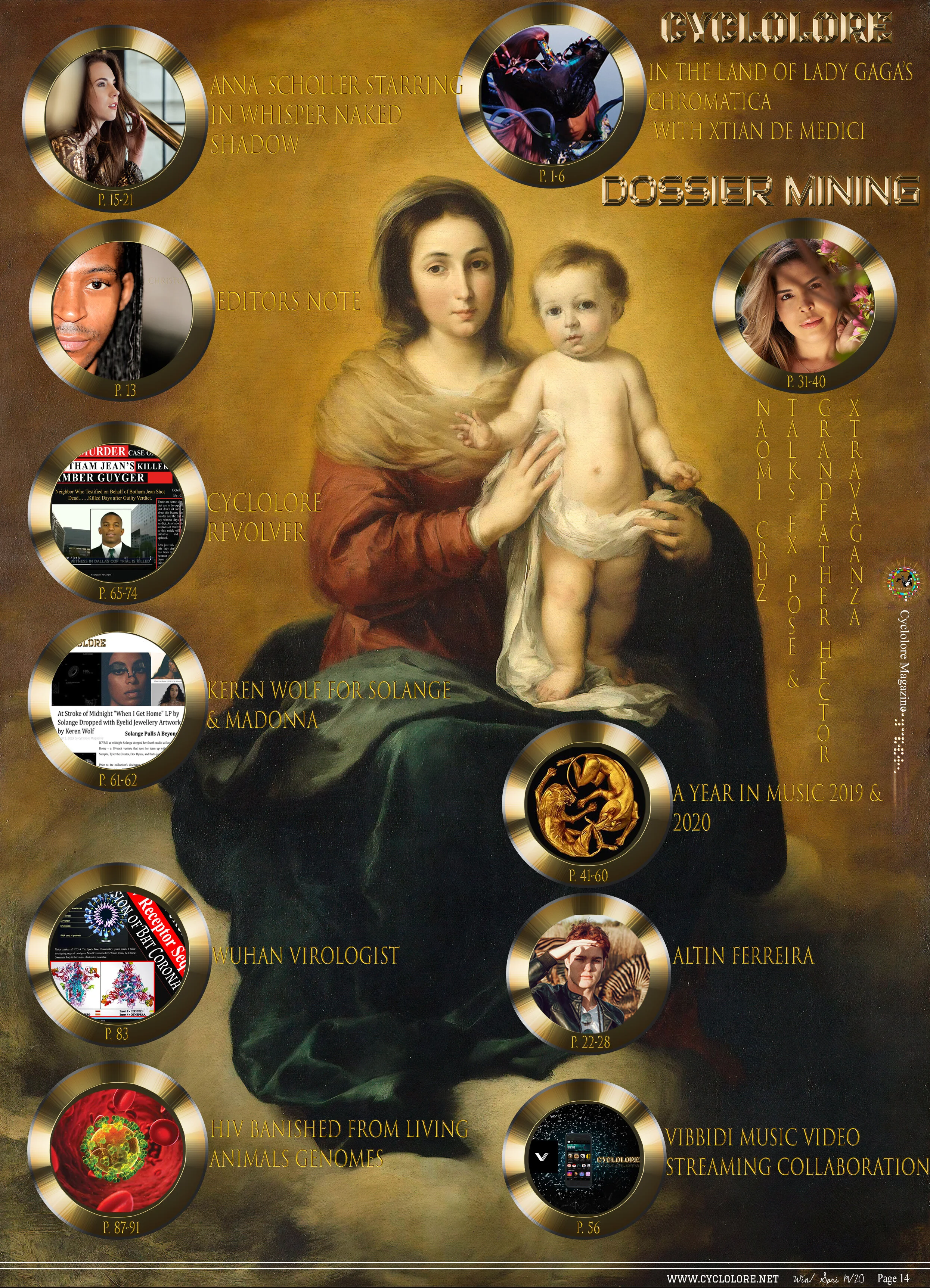
DOSSIER Mining releases in retrograde 'In the Land of Chromatica' with Lady Gaga's Designer Xtian de Medici, Keren Wolf, FX Pose's Naomi Cruz honoring the life of Grandfather Hector of House of Xtravaganza as our 1st cover story & Award Winning Anna Schollerova from Nora K's Whisper Naked Shadow TV mini-series and much much more!! The DOSSIER Mining compared to 'The Aftermath' issue, & others before it, is elevated reaching a better and truer essence of the Cyclolore Brand from many aspects & will so moving forward.
More related articles to read from this panel!
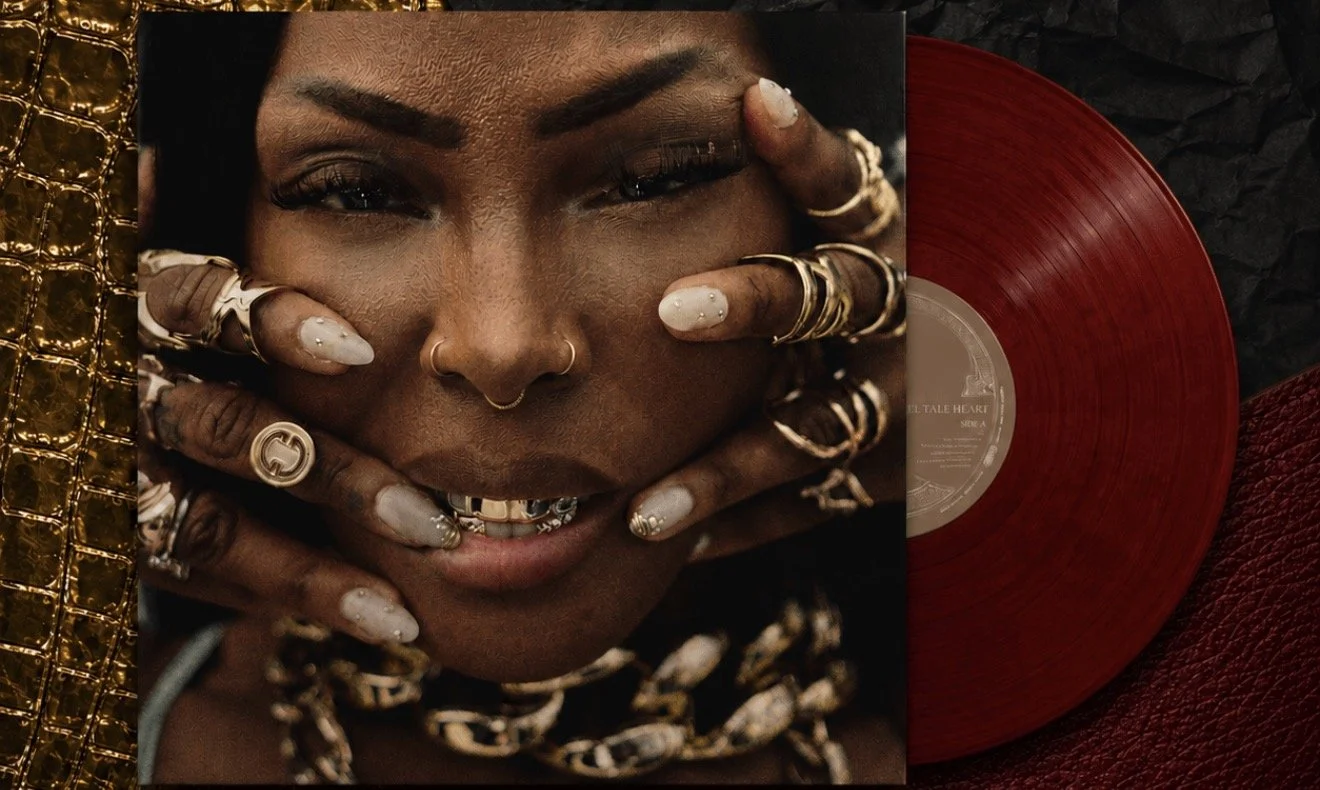
Dawn Richard’s creole culture arrives today, October 9, on Merge Records. The album completes her New Orleans trilogy with a story told from her own perspective, bringing family, local collaborators and Louisiana Creole language into an 11-song release.
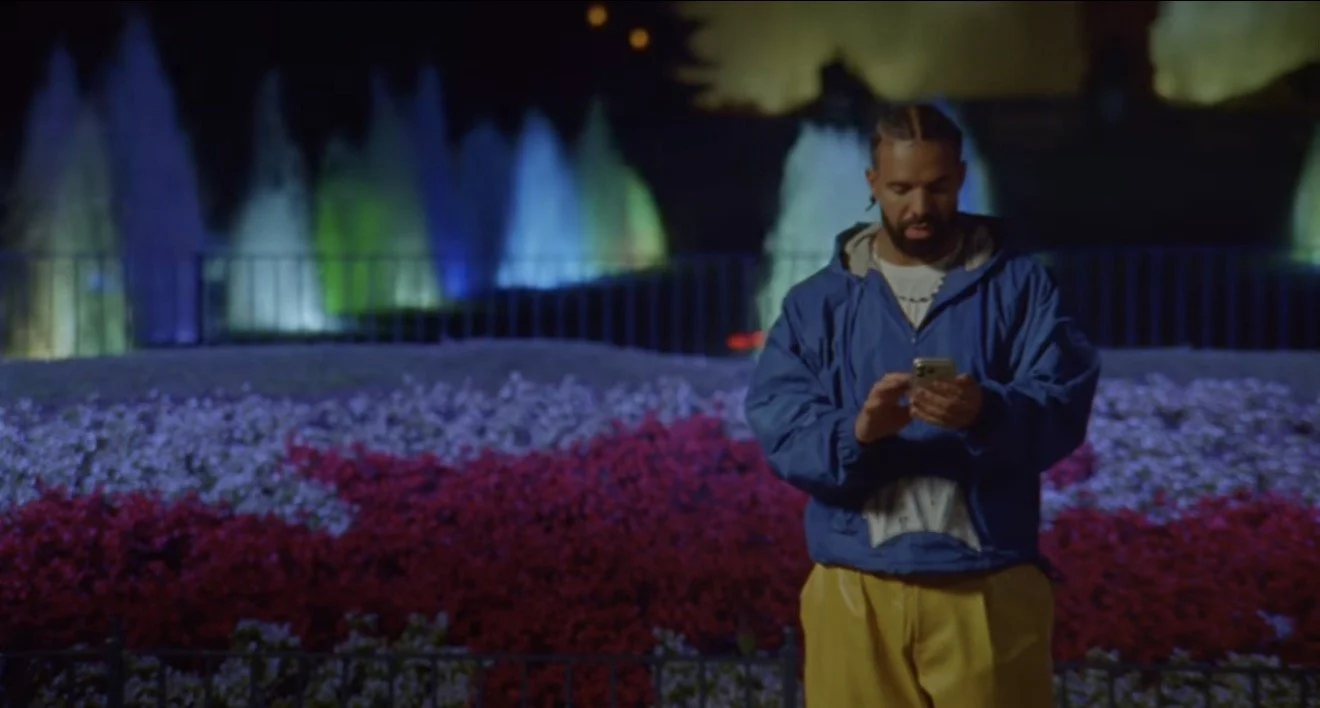
Drake, Don Toliver and Yebba’s “Cold Shoulder” has arrived on Drake’s official YouTube channel, giving the HABIBTI (FOMO) collaboration its own standalone video release. The October 6 upload follows the song’s arrival on streaming and brings its relationship drama back into focus.

Megan Thee Stallion has given Tina Snow two Tuesdays in a row. “Tina Tuesday Freestyle,” released September 29, is now joined by “Is You Cool?,” which arrived October 6. Together, the videos reopen a familiar corner of her catalog while listeners await Act III.
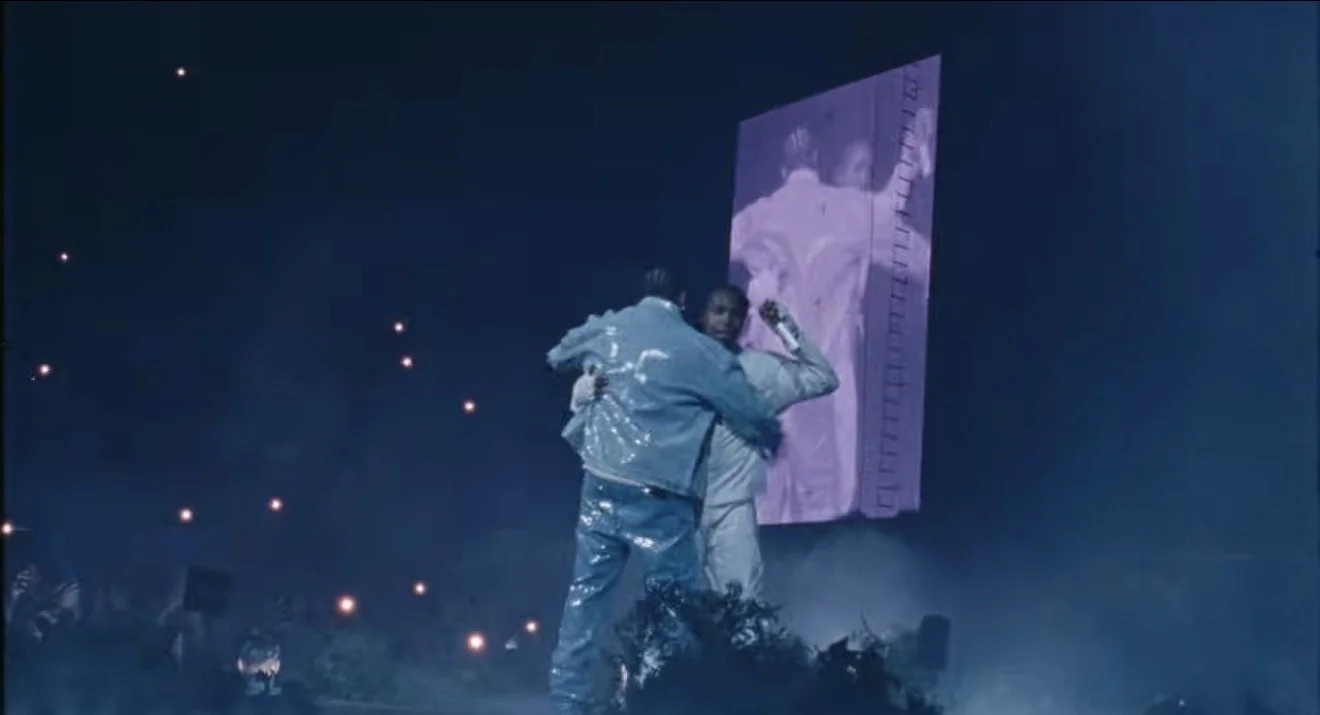
Drake and Don Toliver have released the official “Solar Eclipse” music video on YouTube, extending the rollout of HABIBTI (FOMO). The October 6 upload arrives four days after the song reached streaming, putting the Ella Langley-interpolating collaboration back in the spotlight.
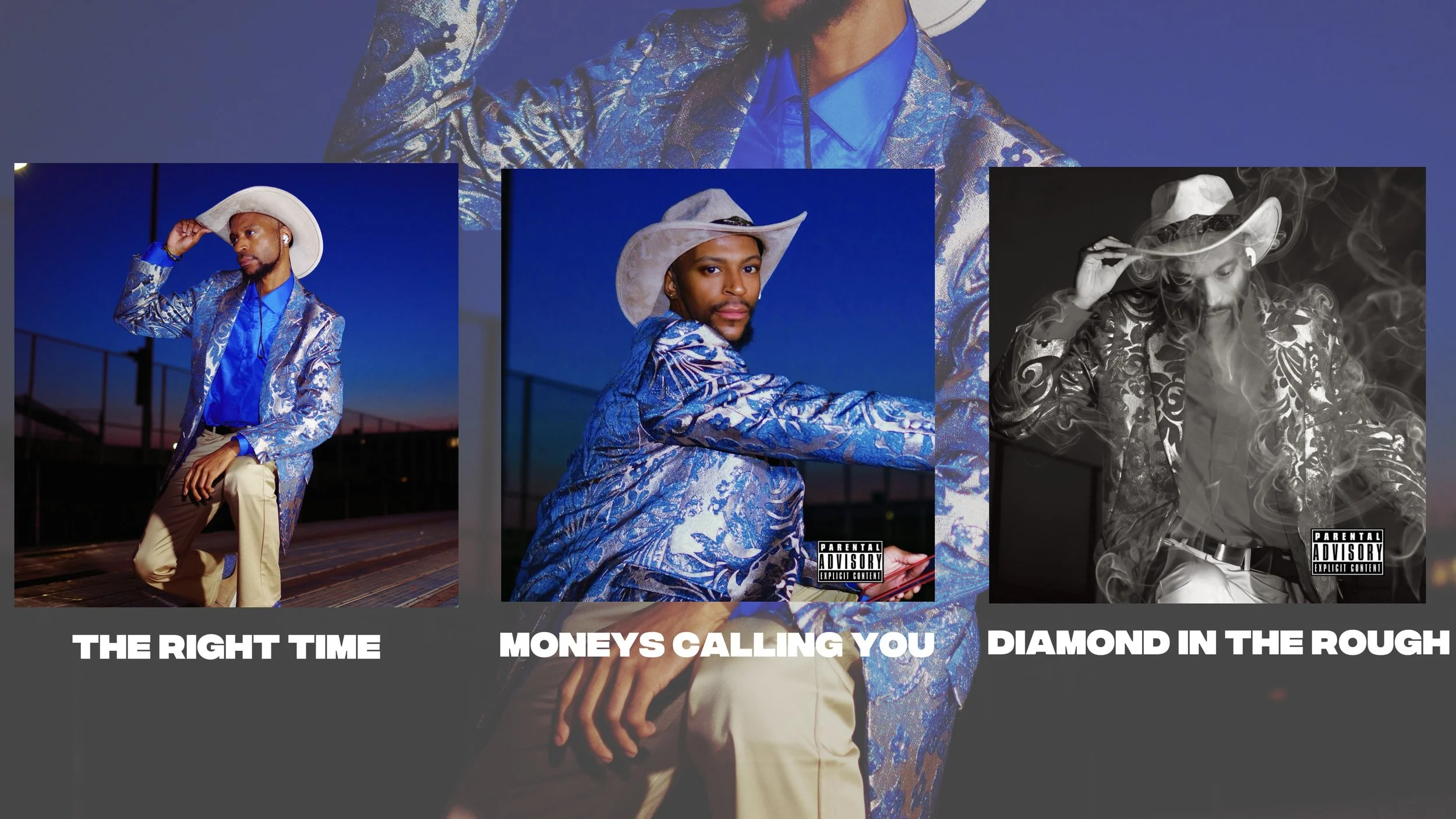
A song can begin with a technical breakthrough, a wish to lift someone's spirits, or a feeling that has waited long enough to be expressed. For Christopher Benson, who makes music as ChrisB, those impulses help explain The Right Time, Money's Calling You and Diamond in the Rough. Benson says he wrote, produced and recorded all three himself. His accounts of their beginnings, together with the lyrics to all three songs, offer a portrait of an artist learning how to give personal intention a finished musical form.
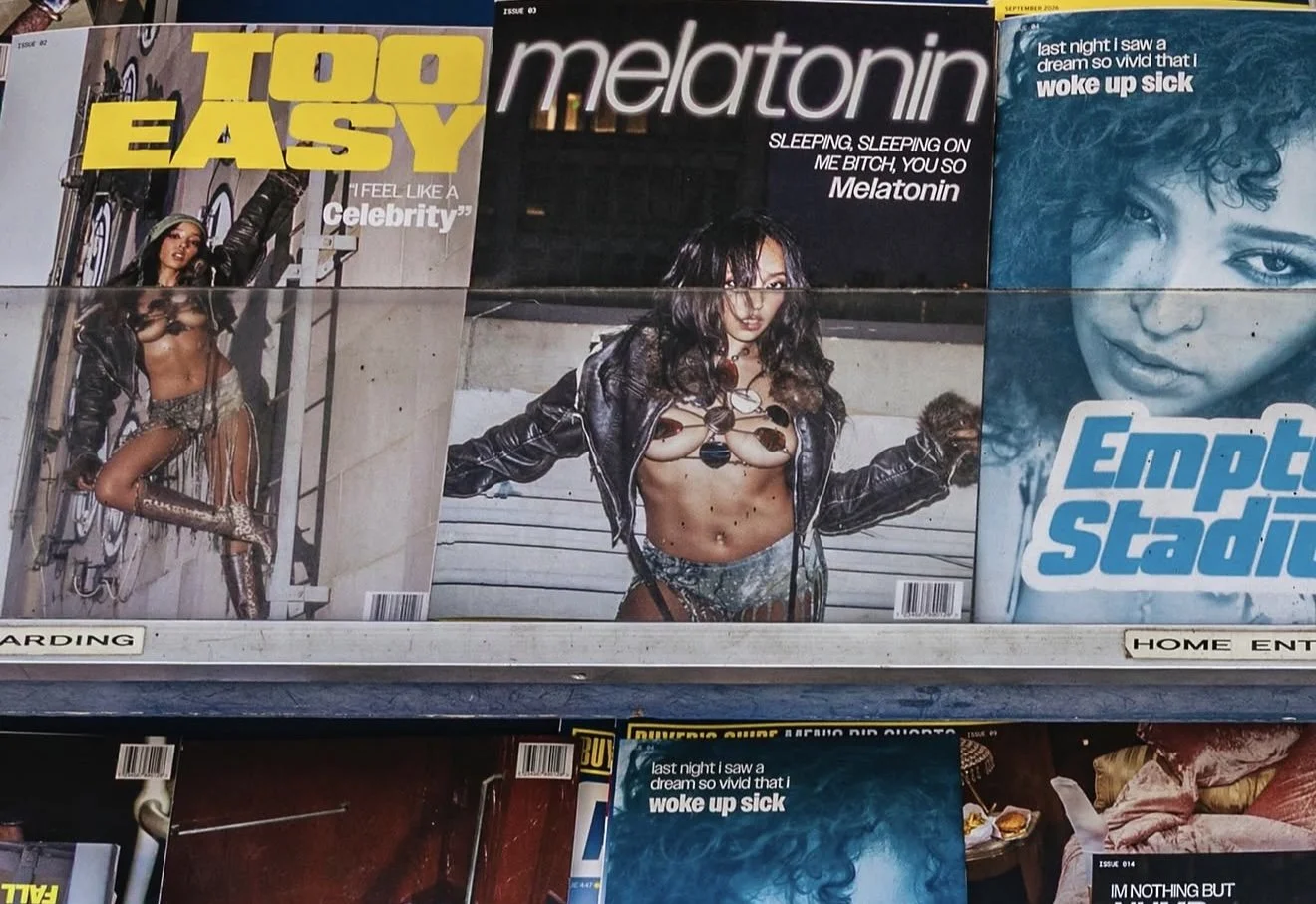
Tinashe’s Popstar era has reached a new high. The album debuts at No. 6 on the Billboard 200 dated October 10, 2026, securing her first top 10 album, according to Billboard’s report.
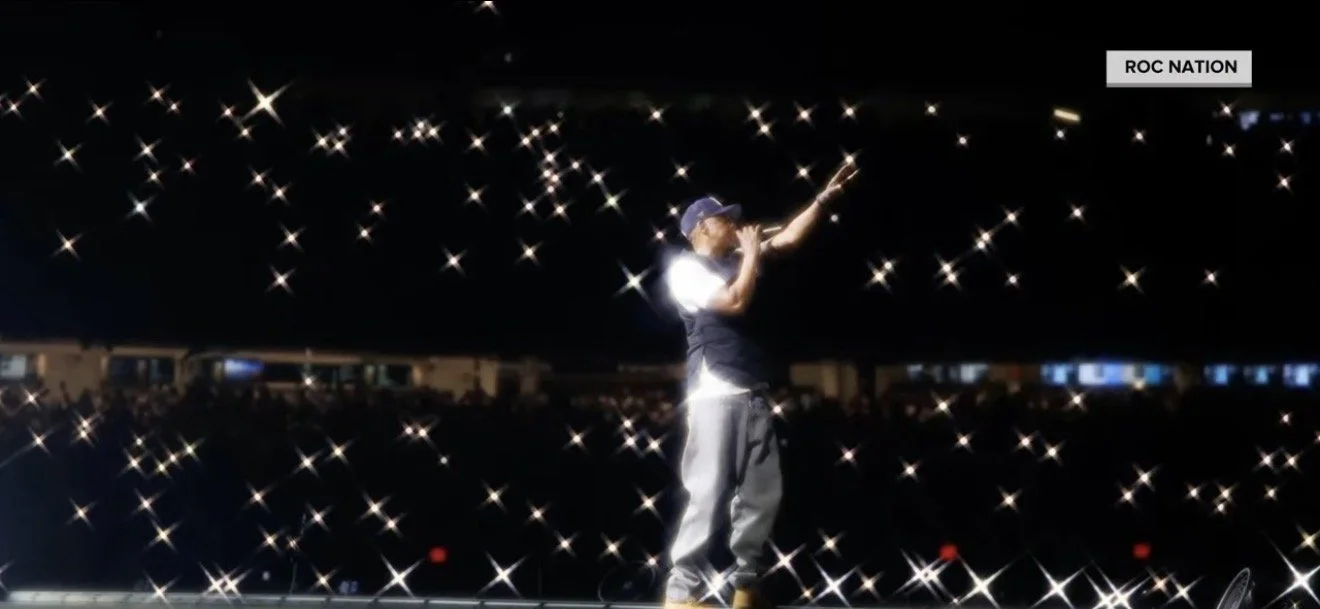
The night didn’t begin as planned. Hundreds of people without tickets rushed the stadium entrances, forcing organizers to temporarily lock down access. Thousands of paying fans were left waiting outside while security regained control, delaying the concert by roughly three to four hours. Jay-Z eventually came on stage just after midnight and apologized, telling fans the delay was necessary for everyone’s safety.
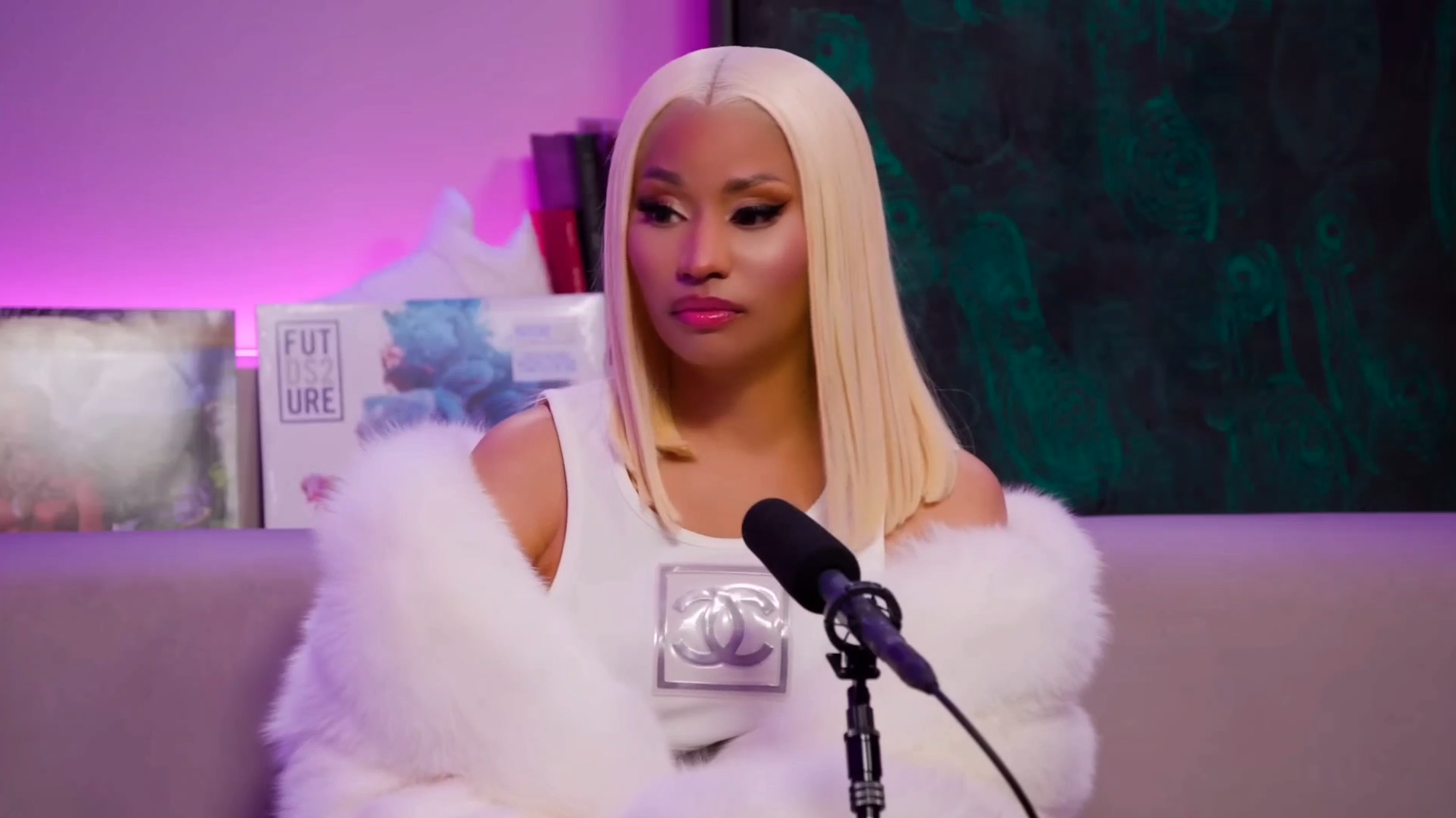
Nicki Minaj, also known as the Queen of Gag City, speaks in-depth with Ebro Darden live in studio in New York City about everything related to "Pink Friday 2." The candid talk covers a wide range of topics, with Minaj discussing how her reaction to learning of her father's death affected the opening song on PF2, "Are You Gone Already."

Get your earphones charged and ready because you’ll need them coming into the New Year with Bronx native trendsetting rapper Sheem Klauf’s ‘Count These Bandz’ which dropped in September 2023. The 90’s feel trap song written with a stellar and catchy hook gives a new spin on nostalgia play snapping out of that New York Drill music that radio’s have gotten so use to listening to & definitely goes complimentary well with the ‘Big Shot’ MC.

The multi-Platinum R&B singer, songwriter, actress, and dancer Tinashe made a magnificent return appearance on Sunday before kickoff to perform the National Anthem. In addition, the lifelong Silver and Black supporter paid tribute to America before the Raiders vs. Chiefs games in 2021 and 2018.

'These last few days [since news of the lawsuit broke] have been gut wrenchingly difficult and overwhelmingly disappointing.'

"You f**kin' right" when they remark, "She got it from her mama, "Body impolite, it's rude/Victoria growled as she sang, "Done being the humble type/Tell me, are you down?/'Cause I'm tryna get up tonight. "I just wanna live in a fantasy/I think we deserve it, right? H*es and hoochies left and right."/All the memories I've ever had in my life, top them all.Permanent euphoriaLet's sleep where the lovers lie/Ladies is pimps tonight/Livin' within a fantasy, she sings.

Shygirl posted a statement on her Instagram Story saying that she was "devastated to share that due to an ongoing respiratory condition, I've been forced to make the difficult decision to cancel my appearances on the upcoming US tour on the advice of my doctor that I can no longer delay surgery."

Chris Brown now needs to appear in court for another strange case. Furthermore, according to The Blast, the paperwork originates from a bank that reportedly provided him with a loan to buy two Popeyes Chicken restaurants.

The tweet that Tinashe liked began, "You already know we're riding with you!" "I have a sense Chris is still bitter about the fact that you rejected him. That would account for his animosity and strange preoccupation with you, lol.

This, she claims, is evidence of the cycles that recur throughout our lives and the truth that, despite the fact that we evolve and our viewpoints shift, "who we are at a core stays the same." Her newest album is about getting to the heart of the matter. After the success of her most recent singles, "Talk To Me Nice" and "Needs," Tinashe sees the BB/ANG3L album as a chance for her audience to get to know her better. She says she doesn't often love grocery shopping but has always had a fantasy of "running amuck," adding, "I wanted it to be intimate and feel a bit more day-to-day, in a way."

Ric Flair, a great wrestler, is sampled in the song "Balut" saying, "Remember this, girls, none of you can be first, but all of you can be next." Apart from the well-known Filipino treat, Flair's moniker "I Da! Ba-Loot!" is possibly one of the sources of the song's title. Doja sings in the '90s-inspired song on how she stands out among amateurs and possibly even some peers as an artist and denies claims that she does drugs.

The multi-talented musician Tinashe, who is renowned for her outstanding vocal abilities and genre-defying aesthetic, has just released a scorching new song, "Uh Huh," which is upending the music industry. The catchy and funky tune "Uh Huh" demonstrates Tinashe's range as a singer.

"They didn't want to talk about artist of the year when we tried to set up the second call, which to me was really a slap in the face," As a result of the rebuff, Punch dropped SZA from the 2023 MTV VMAs performance plans. Punch accepted full responsibility for her absence in case MTV retaliated against her. He told The Hollywood Reporter, "I figured, why go perform and do this if she's not going to be respected to the highest level?" Therefore, I made the decision to cancel the performance.”

For "Attention," the rapper began the performance by dressing like a frustrated librarian with pencils in her hair. She then started to become naked before starting "Paint the Town Red." Twenty bloody copies of her Scarlet alter ego followed her around the stage the entire time. For "Demons," Doja let her hair down and rapped fiercely beneath florescent yellow lighting.

This summer, the "Moment 4 Life" rapper revealed that her fifth studio album would be released on November 17. The celebrity thanked her followers on Instagram for their support and made a vague mention of a tour, promising to reveal more information as Pink Friday 2 neared its debut.

Cardi opened the show, lowering down to the stage on a huge disco ball while wearing her hair loosely in the style of Donna Summer from the 1970s. Shirtless male bongo players accompanied her as she arrived, and when the song started, dancers in bright green and blue two-piece bathing costumes joined her.

You looking at her? Look at her, look at her. I'm referring to Doja Cat's Scarlet album cover, which she presented last night. A red spider (okay, maybe more magenta) with a drip of blood above it is depicted in the uncomplicated artwork.

Minaj took to X stating, “Glad you like the lyrics. The irony is that my fave part of the whole song is the very end… like the last 30 seconds. can’t wait for you guys to hear the whole thing.”

"I went in and I was like, 'Finally, I get to rap again,'" she recalled. As she says, "A lot of people discredit me, so it's nice to just put another one in the fucking bucket for a great rap song," which is exactly what she's done with "Demons."

Organizers issued a statement on Tuesday, claiming "severe circumstances outside of production control." "This decision was difficult and was not made lightly or without great thought," the statement said.

“This new album is more introspective, but I’m not leaning so hard into that to where it becomes boring,” she relayed. “So I want to give stories and bops. It’s a nice mixture of both… I think this project is a really fun canvas for me to play with my rap skills and talk about what’s going on in my life. But I’m not abandoning who I was and what I know about pop and singing and that aspect of music.”
Nashe released her first track "Talk Nice To Me" last month. She's also preparing for a fall co-headlining tour with Shygirl, with Jersey club queen Uniiqu3 serving as support. That should be a fantastic concert! Tinashe has a new track out today, and it's a fantastic one.

While this is Halle's proper performance debut, she loaned her exquisite voice to the soundtrack for The Little Mermaid (2023), which bested Top Soundtracks and crested at No. 21 on the Billboard 200.
Yung Miami makes self-belief look red-hot in “F You,” pairing a fiercely independent message with glossy cars, smoke and striking red-and-black styling. The new video turns her refusal to shrink under criticism into a stylish statement of confidence as she builds toward her debut solo album, Watch Dis.