
Bucharest Photofest Puts the Responsibility of Looking in Focus
Running through October 18, the festival’s Witness edition connects documentary photography with the work of remembering.
Bucharest Photofest’s Witness edition runs through October 18, bringing photography, film and conversation together around a difficult question: what does it mean to keep looking?
The Romanian festival’s eleventh edition began October 9. Its organizers frame this year’s program around sustained attention and responsibility toward the people and places being photographed. In their editorial statement, they describe a tension between the abundance of images and the difficulty of moving viewers to respond. That is a curatorial proposition worth taking seriously without pretending that one festival can resolve it. Read the festival’s editorial
A photograph can travel far beyond the circumstances in which it was made. It may reach someone as a gallery print, a book page, a news image or an isolated social post. Each encounter changes the time available for looking and the amount of context close at hand. A festival can create space to reconnect an image with its maker, its subject and the decisions behind its presentation.
Witnessing takes more than a shutter
The opening program paired the group exhibition Witness: Images That Refuse to Forget, presented with UNHCR Romania’s participation, with a screening of Minamata. Across the wider festival, exhibitions sit alongside workshops, films, photobooks and conversations. Most events and exhibitions are free, although some activities require tickets or advance registration. Festival overview
The organizers’ October 7 announcement describes projects concerned with displacement and the experience of war, including work by Toulo Adl Parvar and Vedad Divović. Those subjects give the theme a specific human weight. A word such as “witness” can sound reassuringly abstract until it is attached to someone’s loss of home, safety or familiar surroundings. Organizer announcement via AGERPRES
For viewers, the useful challenge is to resist treating every difficult photograph as interchangeable evidence of suffering. Who is pictured? What does the caption establish? What remains outside the frame? Those questions do not reduce an image’s emotional force. They give that response somewhere more precise to go.
A photographer returns to the circumstances of the image
One of the closing weekend’s scheduled participants is Ukrainian photographer Evgeniy Maloletka. His photograph from the aftermath of the Mariupol maternity hospital airstrike received the 2023 World Press Photo of the Year award. World Press Photo’s account places the image within his work for the Associated Press during the siege, restoring essential reporting context around a widely recognized photograph. World Press Photo’s award account
Recognition can help a photograph remain visible, but it cannot do all the work of explaining it. A public encounter with a photographer offers an opportunity to ask about access, uncertainty and the process through which a moment becomes a record. Those are productive questions for audiences as well as for aspiring photographers. They shift attention toward how knowledge is made and what responsibilities accompany its circulation.
What remains on the program
The current schedule lists Maloletka’s The Siege of Mariupol workshop at Kulturhaus on Sunday, October 18, from noon to 2 p.m., with free entry and an RSVP requirement. His Witnessing the War exhibition event follows there at 4 p.m. On Saturday, October 17, the program includes a single-use camera upcycling workshop with °iso Film Lab at CdRF, also listed as free with registration. All listed times are local to Bucharest. Check the current program
[INTERACTIVE EMBED: Official Bucharest Photofest program, https://bucharestphotofest.ro/program . Suggested iframe title: “Bucharest Photofest 2026 interactive program”; width 100%, height 680px, loading lazy. Place here with a visible “Open the full program” link. Verified live program with date, type, venue and text filters; response returned no X-Frame-Options or Content-Security-Policy header on October 14. Cross-site rendering still needs a CMS preview check.]
The range matters. Documentary responsibility also grows through ordinary habits: learning a process, discussing a sequence, reading a caption carefully and spending time with a body of work. A visitor need not leave with a single definitive interpretation. The more lasting result may be a better set of questions to carry into the next encounter with a photograph.
More entertaining stories to read here.
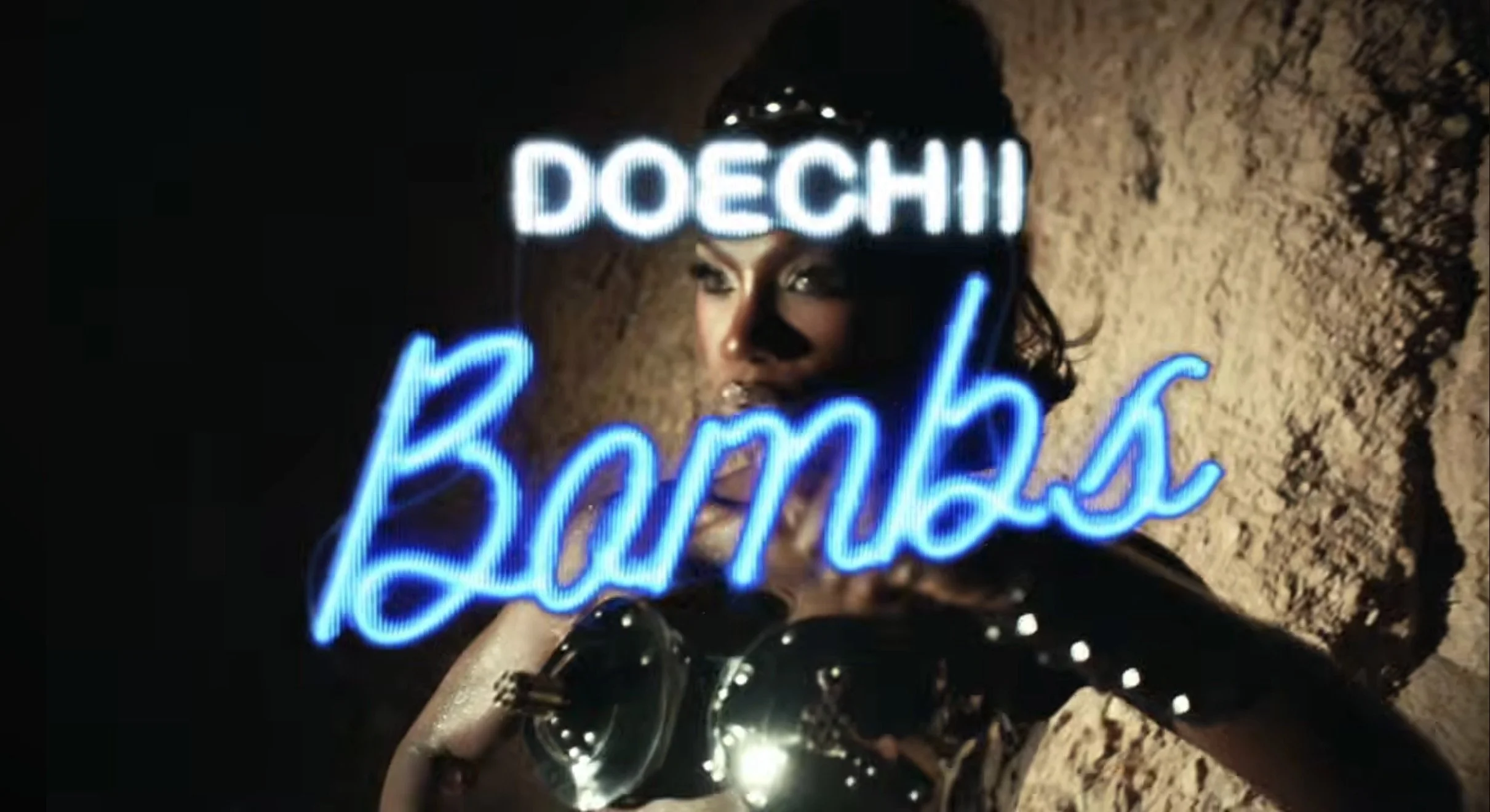
Doechii revives Swamp Sessions with “BOMBS,” a self-directed video released October 12, bringing rapid-fire rap and sci-fi imagery into her next creative chapter.
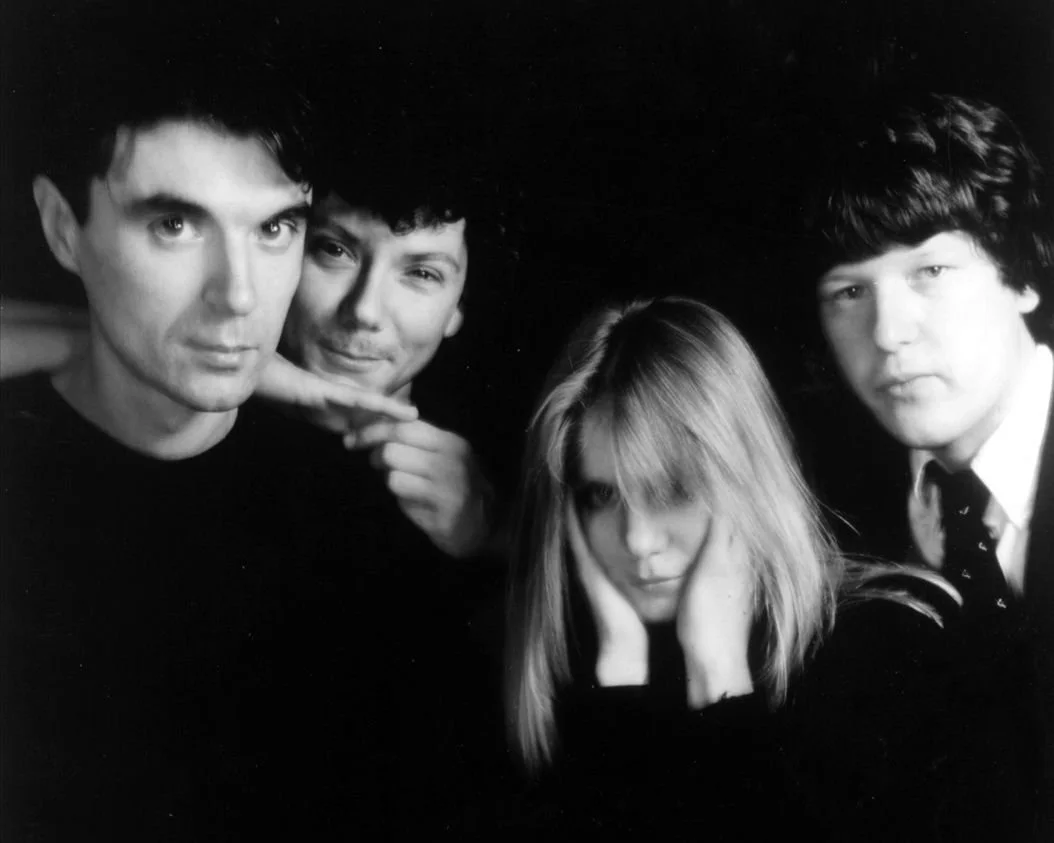
Talking Heads Radio is on air this October, giving listeners a limited window to revisit the band’s catalog before an expanded Fear of Music arrives November 13. The SiriusXM channel runs through October 22 in cars and October 31 on the app.

Yung Miami makes self-belief look red-hot in “F You,” pairing a fiercely independent message with glossy cars, smoke and striking red-and-black styling. The new video turns her refusal to shrink under criticism into a stylish statement of confidence as she builds toward her debut solo album, Watch Dis.
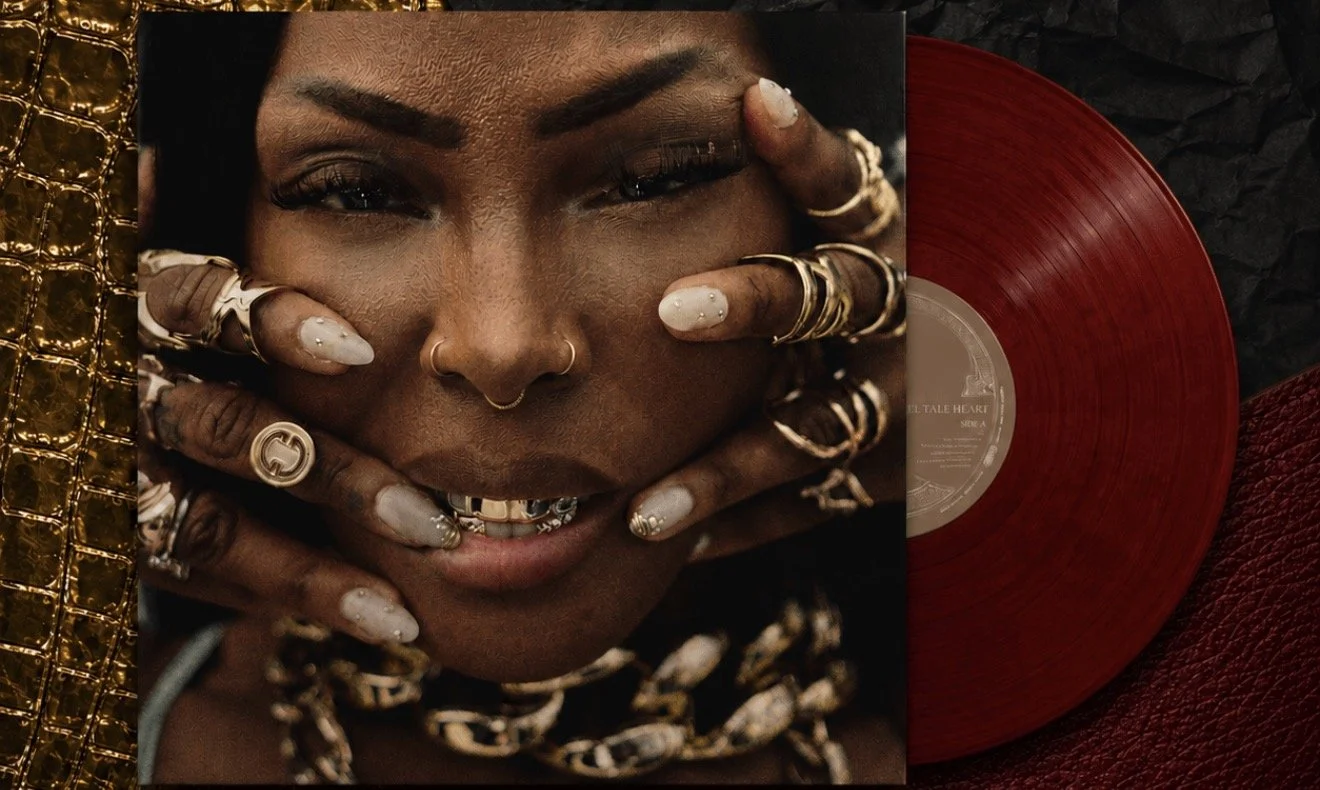
Dawn Richard’s creole culture arrives today, October 9, on Merge Records. The album completes her New Orleans trilogy with a story told from her own perspective, bringing family, local collaborators and Louisiana Creole language into an 11-song release.
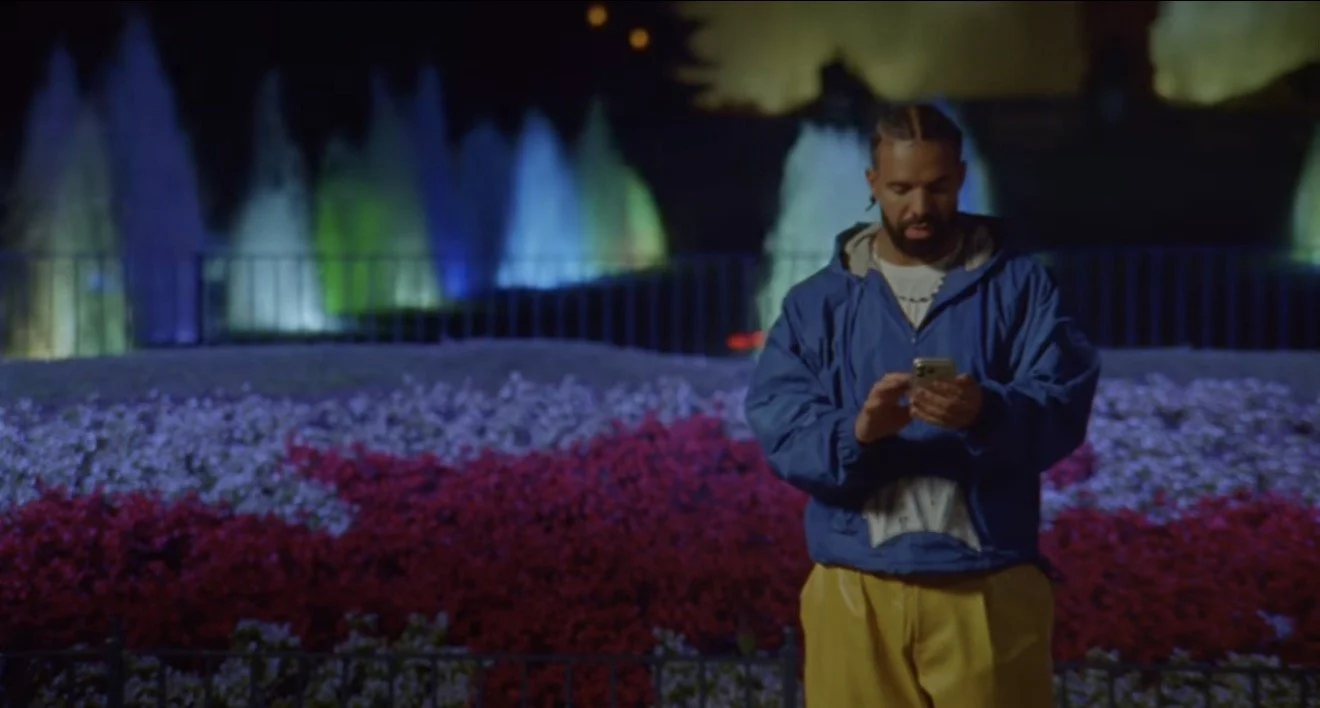
Drake, Don Toliver and Yebba’s “Cold Shoulder” has arrived on Drake’s official YouTube channel, giving the HABIBTI (FOMO) collaboration its own standalone video release. The October 6 upload follows the song’s arrival on streaming and brings its relationship drama back into focus.

Megan Thee Stallion has given Tina Snow two Tuesdays in a row. “Tina Tuesday Freestyle,” released September 29, is now joined by “Is You Cool?,” which arrived October 6. Together, the videos reopen a familiar corner of her catalog while listeners await Act III.
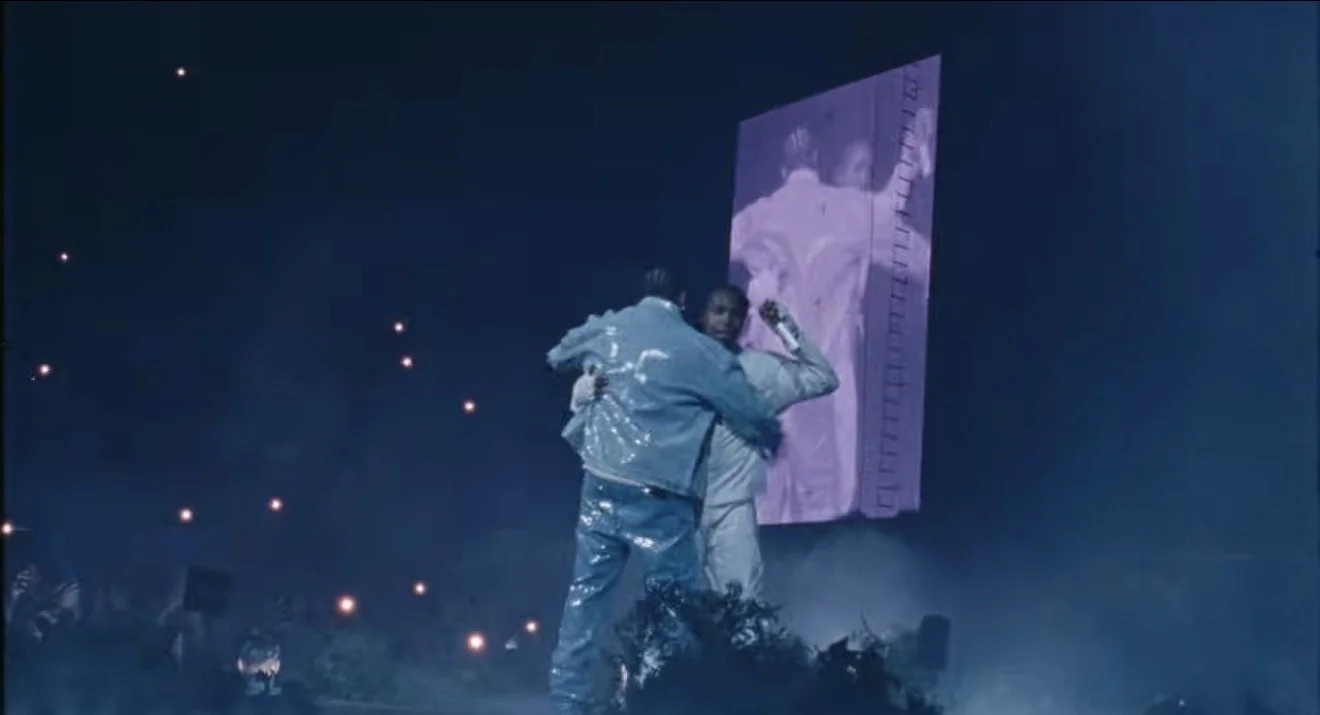
Drake and Don Toliver have released the official “Solar Eclipse” music video on YouTube, extending the rollout of HABIBTI (FOMO). The October 6 upload arrives four days after the song reached streaming, putting the Ella Langley-interpolating collaboration back in the spotlight.
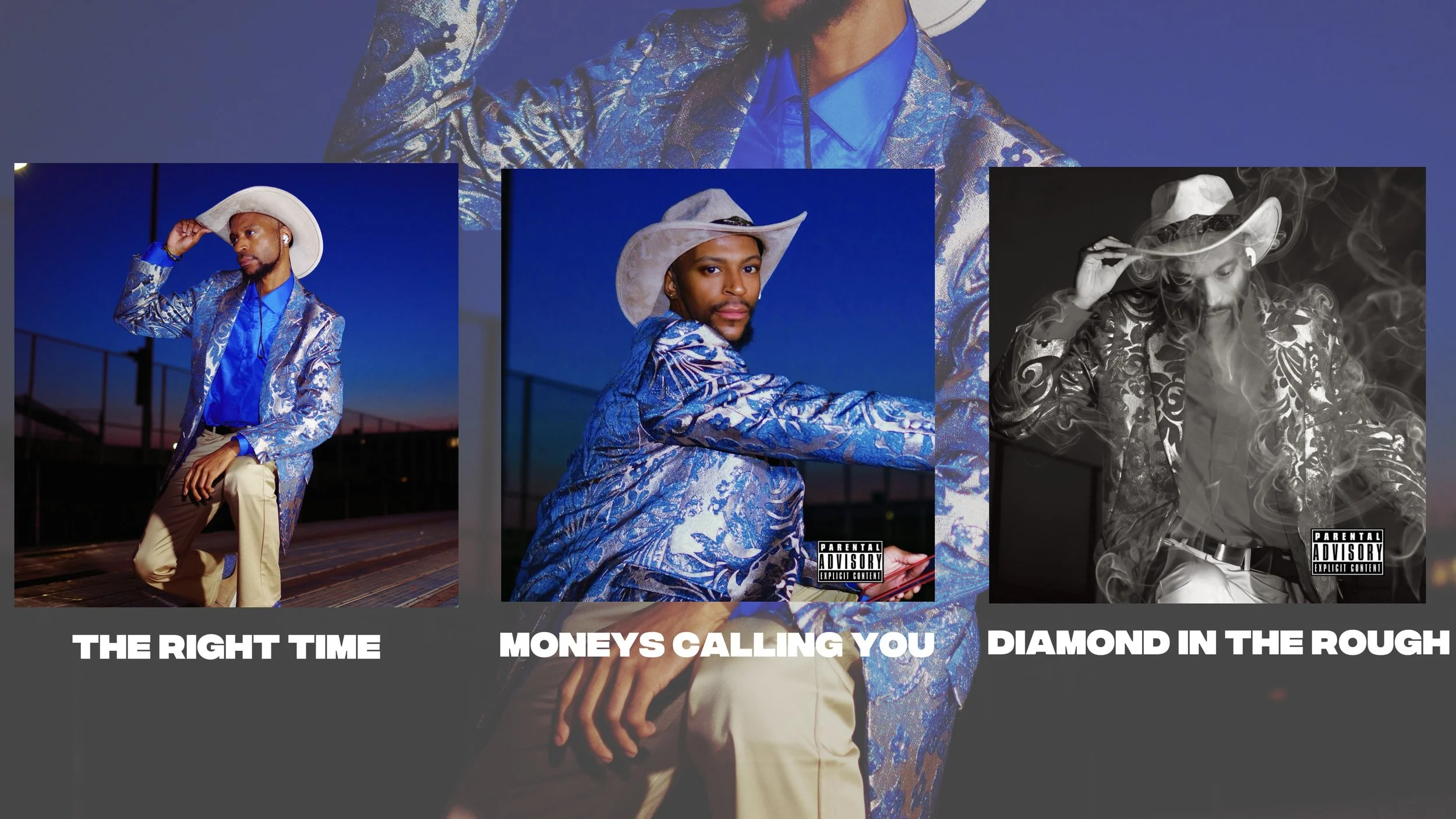
A song can begin with a technical breakthrough, a wish to lift someone's spirits, or a feeling that has waited long enough to be expressed. For Christopher Benson, who makes music as ChrisB, those impulses help explain The Right Time, Money's Calling You and Diamond in the Rough. Benson says he wrote, produced and recorded all three himself. His accounts of their beginnings, together with the lyrics to all three songs, offer a portrait of an artist learning how to give personal intention a finished musical form.
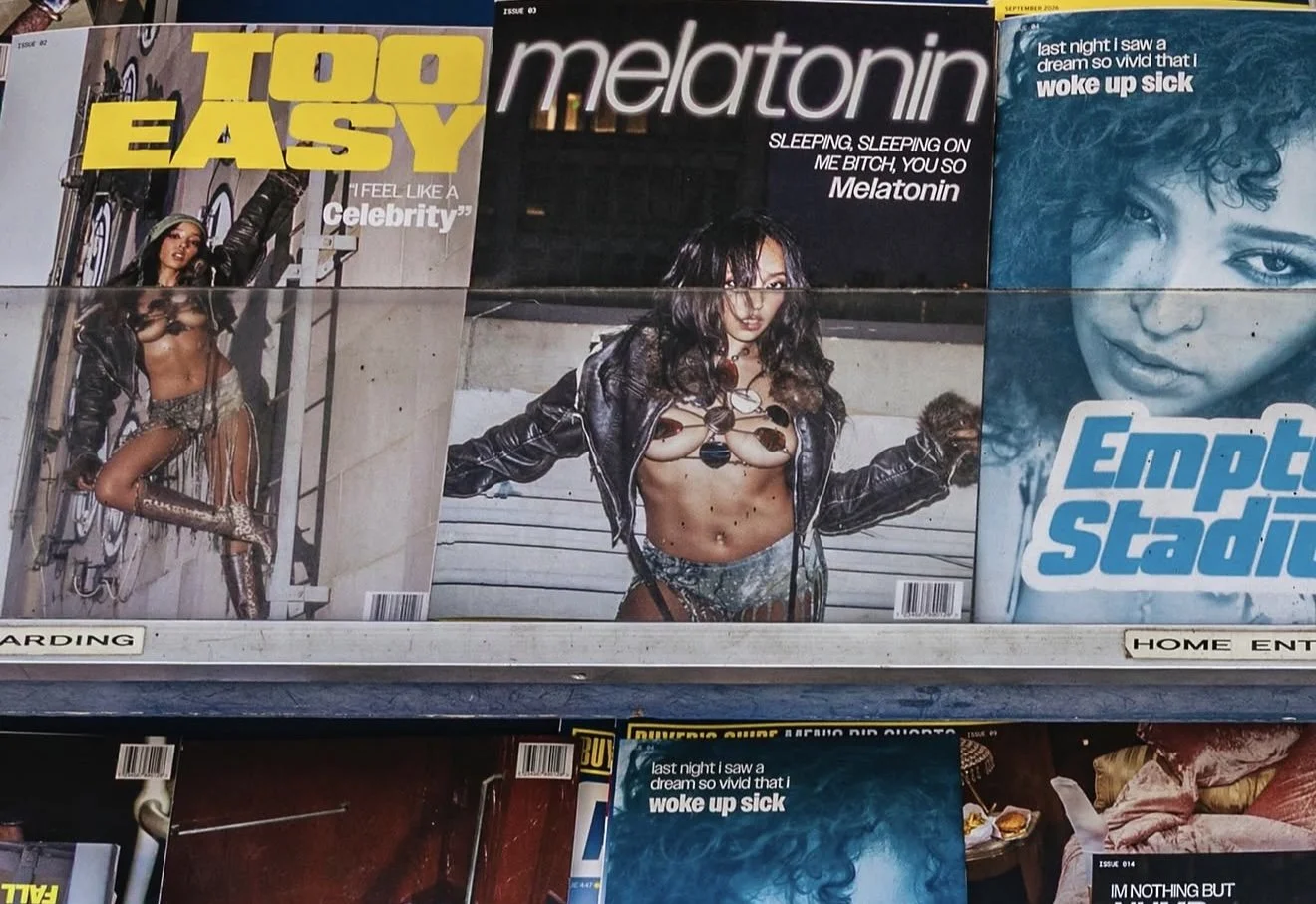
Tinashe’s Popstar era has reached a new high. The album debuts at No. 6 on the Billboard 200 dated October 10, 2026, securing her first top 10 album, according to Billboard’s report.
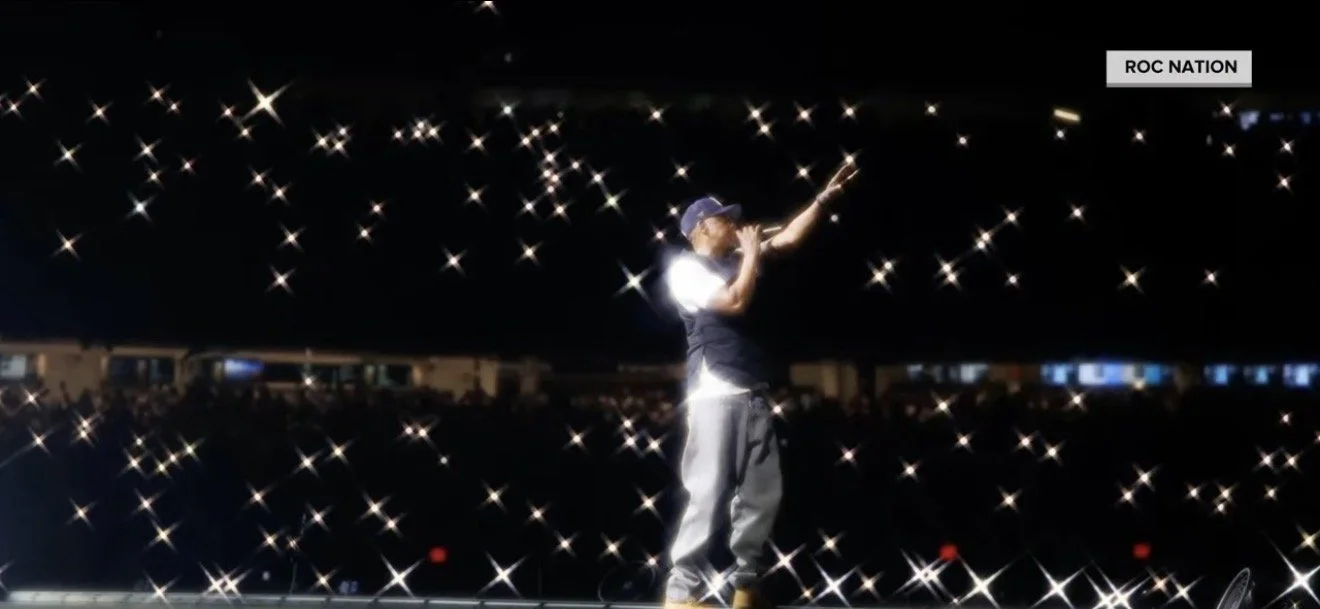
The night didn’t begin as planned. Hundreds of people without tickets rushed the stadium entrances, forcing organizers to temporarily lock down access. Thousands of paying fans were left waiting outside while security regained control, delaying the concert by roughly three to four hours. Jay-Z eventually came on stage just after midnight and apologized, telling fans the delay was necessary for everyone’s safety.

Nicki Minaj, also known as the Queen of Gag City, speaks in-depth with Ebro Darden live in studio in New York City about everything related to "Pink Friday 2." The candid talk covers a wide range of topics, with Minaj discussing how her reaction to learning of her father's death affected the opening song on PF2, "Are You Gone Already."

Get your earphones charged and ready because you’ll need them coming into the New Year with Bronx native trendsetting rapper Sheem Klauf’s ‘Count These Bandz’ which dropped in September 2023. The 90’s feel trap song written with a stellar and catchy hook gives a new spin on nostalgia play snapping out of that New York Drill music that radio’s have gotten so use to listening to & definitely goes complimentary well with the ‘Big Shot’ MC.

The multi-Platinum R&B singer, songwriter, actress, and dancer Tinashe made a magnificent return appearance on Sunday before kickoff to perform the National Anthem. In addition, the lifelong Silver and Black supporter paid tribute to America before the Raiders vs. Chiefs games in 2021 and 2018.

'These last few days [since news of the lawsuit broke] have been gut wrenchingly difficult and overwhelmingly disappointing.'

"You f**kin' right" when they remark, "She got it from her mama, "Body impolite, it's rude/Victoria growled as she sang, "Done being the humble type/Tell me, are you down?/'Cause I'm tryna get up tonight. "I just wanna live in a fantasy/I think we deserve it, right? H*es and hoochies left and right."/All the memories I've ever had in my life, top them all.Permanent euphoriaLet's sleep where the lovers lie/Ladies is pimps tonight/Livin' within a fantasy, she sings.

Shygirl posted a statement on her Instagram Story saying that she was "devastated to share that due to an ongoing respiratory condition, I've been forced to make the difficult decision to cancel my appearances on the upcoming US tour on the advice of my doctor that I can no longer delay surgery."

Chris Brown now needs to appear in court for another strange case. Furthermore, according to The Blast, the paperwork originates from a bank that reportedly provided him with a loan to buy two Popeyes Chicken restaurants.

The tweet that Tinashe liked began, "You already know we're riding with you!" "I have a sense Chris is still bitter about the fact that you rejected him. That would account for his animosity and strange preoccupation with you, lol.

This, she claims, is evidence of the cycles that recur throughout our lives and the truth that, despite the fact that we evolve and our viewpoints shift, "who we are at a core stays the same." Her newest album is about getting to the heart of the matter. After the success of her most recent singles, "Talk To Me Nice" and "Needs," Tinashe sees the BB/ANG3L album as a chance for her audience to get to know her better. She says she doesn't often love grocery shopping but has always had a fantasy of "running amuck," adding, "I wanted it to be intimate and feel a bit more day-to-day, in a way."

Ric Flair, a great wrestler, is sampled in the song "Balut" saying, "Remember this, girls, none of you can be first, but all of you can be next." Apart from the well-known Filipino treat, Flair's moniker "I Da! Ba-Loot!" is possibly one of the sources of the song's title. Doja sings in the '90s-inspired song on how she stands out among amateurs and possibly even some peers as an artist and denies claims that she does drugs.

The multi-talented musician Tinashe, who is renowned for her outstanding vocal abilities and genre-defying aesthetic, has just released a scorching new song, "Uh Huh," which is upending the music industry. The catchy and funky tune "Uh Huh" demonstrates Tinashe's range as a singer.

"They didn't want to talk about artist of the year when we tried to set up the second call, which to me was really a slap in the face," As a result of the rebuff, Punch dropped SZA from the 2023 MTV VMAs performance plans. Punch accepted full responsibility for her absence in case MTV retaliated against her. He told The Hollywood Reporter, "I figured, why go perform and do this if she's not going to be respected to the highest level?" Therefore, I made the decision to cancel the performance.”

For "Attention," the rapper began the performance by dressing like a frustrated librarian with pencils in her hair. She then started to become naked before starting "Paint the Town Red." Twenty bloody copies of her Scarlet alter ego followed her around the stage the entire time. For "Demons," Doja let her hair down and rapped fiercely beneath florescent yellow lighting.

This summer, the "Moment 4 Life" rapper revealed that her fifth studio album would be released on November 17. The celebrity thanked her followers on Instagram for their support and made a vague mention of a tour, promising to reveal more information as Pink Friday 2 neared its debut.

Cardi opened the show, lowering down to the stage on a huge disco ball while wearing her hair loosely in the style of Donna Summer from the 1970s. Shirtless male bongo players accompanied her as she arrived, and when the song started, dancers in bright green and blue two-piece bathing costumes joined her.

You looking at her? Look at her, look at her. I'm referring to Doja Cat's Scarlet album cover, which she presented last night. A red spider (okay, maybe more magenta) with a drip of blood above it is depicted in the uncomplicated artwork.

Minaj took to X stating, “Glad you like the lyrics. The irony is that my fave part of the whole song is the very end… like the last 30 seconds. can’t wait for you guys to hear the whole thing.”

"I went in and I was like, 'Finally, I get to rap again,'" she recalled. As she says, "A lot of people discredit me, so it's nice to just put another one in the fucking bucket for a great rap song," which is exactly what she's done with "Demons."

Organizers issued a statement on Tuesday, claiming "severe circumstances outside of production control." "This decision was difficult and was not made lightly or without great thought," the statement said.
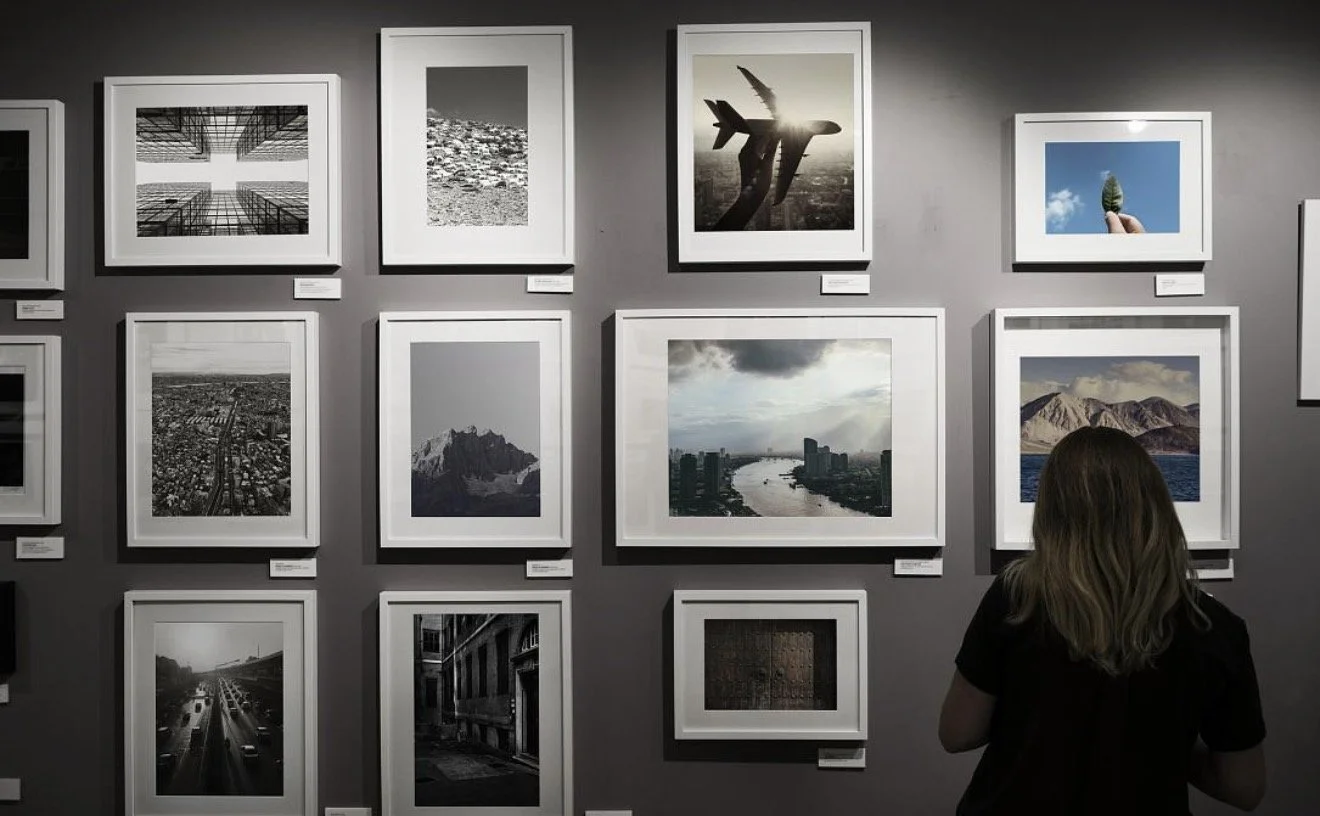
Bucharest Photofest’s Witness edition runs through October 18, bringing photography, film and conversation together around a difficult question: what does it mean to keep looking?
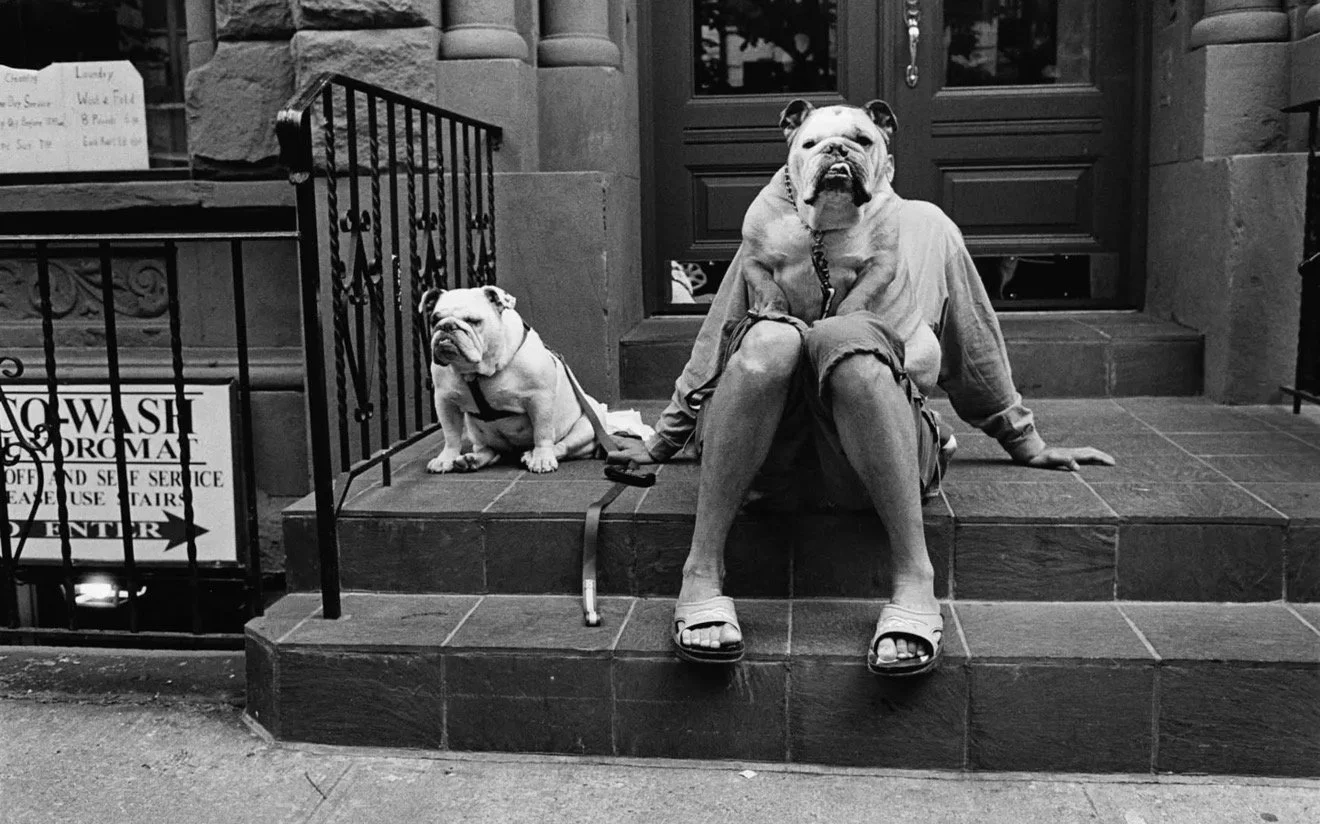
Graciela Iturbide received the Leica Hall of Fame Award on October 8, 2026, in Wetzlar, Germany. The honor comes with an exhibition of more than 50 photographs and a fresh invitation to explore the Mexican artist’s distinctive way of seeing everyday life.
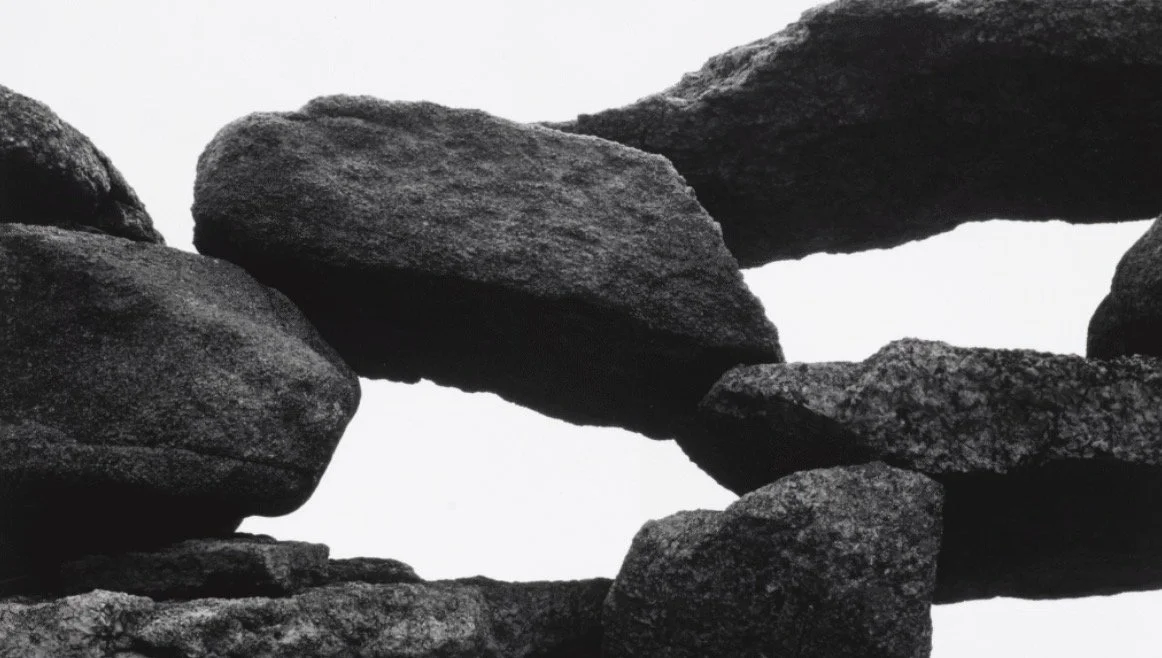
The High Museum of Art has scheduled Photography as a Way of Life to begin today, October 9, in Atlanta. Through Minor White, Aaron Siskind and Harry Callahan, the exhibition considers how making pictures, teaching and sharing ideas can shape an entire creative life.
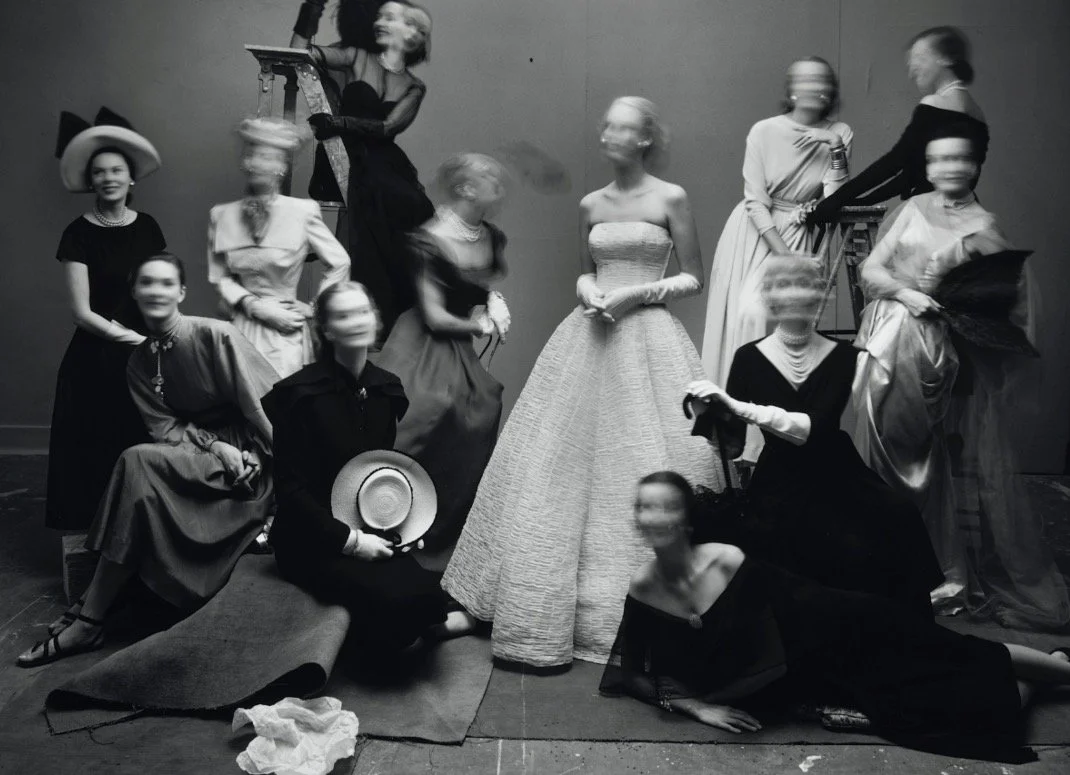
At Paris’s Maison Européenne de la Photographie, PENN & FASHION revisits a career in which a dress could become the beginning of an image’s invention. Within that wider story, Irving Penn’s collaboration with Issey Miyake offers an unusually revealing account of what happens when a designer lets a photographer take the lead.
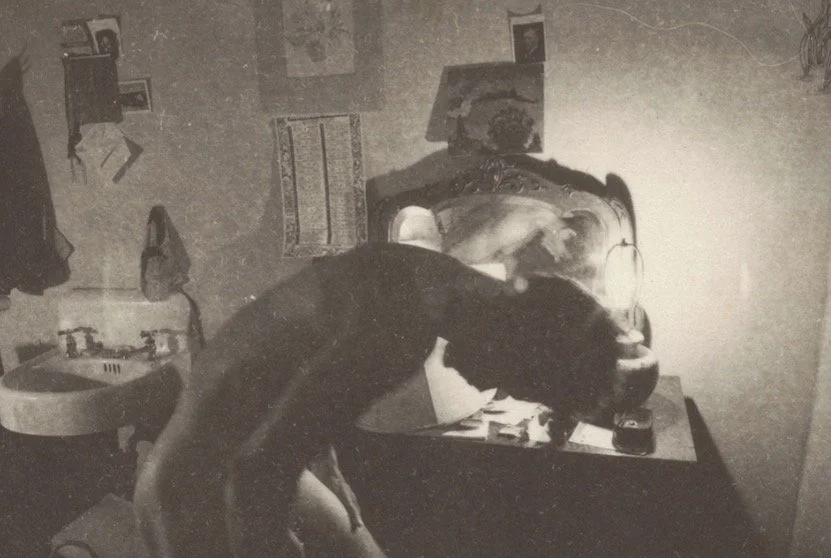
An image can be hazy and still feel startlingly close. Nancy Rexroth’s photographs invite that experience: familiar places become difficult to pin down, while an atmosphere seems to linger just beyond the edges of recognition. For anyone who has ever kept a technically imperfect picture because it held a feeling, there is an immediate way into her work.

Brandon Cole considers himself the Kevin Hart of photography, but if you watched some of the customer testimonials videos you’d know he’s so much more than that. The new technology he’s built in his new Black Dish has changed the game on so many levels for professional photographers and armature photographers alike.

Maegan Brown of The BakerMama separates how to make this pumpkin charcuterie board that the entire family will adore.

On January 16th DeJarius Evans was presented by Jackson State University as the first exhibit of the year partnering with C. Will for an exhibition called ‘The Zone’. The Doors opened at 4:30pm showcasing a plethora of Evans Photography covering a facet of emotions and moody masterpieces of black models and visuals.

NYC conceptual photographer Robert Albion Zeigler owner of Albion Productions captured the final night standing of a prodigious, 20-foot, LED amped, public structure last night. The experimental contemporary art was constructed by Chilean artist & activist Sebastian Errazuriz, and also his team. The architecture featured a livestream of our planet with the help of NASA’s Satellite in the cosmos.

This shoot included a series of photos that captured the beautiful Laura Jimenez in a Goth-esque session on the roof top in NYC. In one of the shots, fashion model Laura Jimenez can be seen in a stretched forward posture that accentuates the eye popping 'latex' pants in the frame. Immediately when initially seeing the photo you get strong Trinity vibes from the 90's & 2000's Blockbuster Trilogy 'The Matrix' played by the amazing Carrie-Ann Moss.

Beck’s Ride Lonesome reaches a new checkpoint as his tour arrives at Toronto’s Massey Hall on October 14 and 15. The September album and its accompanying live run offer a useful look at how an established artist can build a new chapter around musical continuity.