
Confluence: What Happens When Photographs Meet
An upcoming New Orleans exhibition explores how photographs change when a collector brings them into conversation.
An upcoming New Orleans exhibition explores how photographs change when a collector brings them into conversation.
Confluence: The Tina Freeman Collection of Photographs opens at the New Orleans Museum of Art on November 20, 2026, and continues through July 4, 2027. NOMA’s announcement describes nearly 100 photographs by more than 70 artists across five galleries. The emphasis is on relationships across periods and genres, not a parade of familiar masterpieces.
A collection is also an arrangement
Freeman began collecting in 1969. Her holdings now exceed 1,300 photographs, but that number should not be confused with the much smaller exhibition selection. The museum highlights her interest in less familiar works by established artists and in the material character of photographic prints. A partial rotation is planned for March 2027.
For photographers, the premise suggests a useful distinction: making an image and deciding what it sits beside are separate creative acts. A photograph can be arresting alone yet become more complicated in company. A sequence might make a gesture visible, expose an unexpected resemblance, or interrupt a comfortable reading. Those possibilities are questions to bring to the galleries, not claims about an installation that has yet to open.
The book as a second encounter
The museum’s catalog listing describes 185 color reproductions and a checklist of the full collection. It also includes a conversation between Freeman and Metropolitan Museum of Art photography curator Jeff L. Rosenheim, plus an essay by Emilia Mickevicius. The publication’s sequencing follows visual and conceptual connections rather than a strict division by period or genre.
That makes a book more than a souvenir. Page turns control when one image disappears and another arrives. A reader can return to a pairing, reverse direction, or compare two passages at a slower pace than a crowded gallery permits. An exhibition and its catalog therefore offer different kinds of attention; neither has to stand in as a complete substitute for the other.
The collection’s future also needs precise language. The museum shop describes a promised bequest, while individual works on the exhibition page carry differing credit lines. A promise and an already completed gift are not interchangeable. Nor should the catalog’s reproduction count be treated as the number of photographs hanging on the walls.
A conversation beyond the walls
PhotoNOLA’s program lists a December 2 evening beginning with curator Brian Piper’s 5:30 p.m. gallery talk. A panel, The Work We Live With: Women in Photography, follows at 6:30 p.m., with Sienna Pinderhughes, Jenny Bagert, and Freeman, moderated by Mickevicius; a book signing is scheduled afterward. Visitors should recheck the organizer’s listing before making plans.
A useful challenge for anyone assembling a portfolio follows from the exhibition’s premise: choose two pictures that do not obviously belong together, then explain the connection without leaning on their dates or captions. If the relationship is weak, rearrange them. If it is revealing, ask what a third image changes. Collecting and editing both involve learning which conversations deserve room.
Confluence has not opened as of this preview. Its eventual installation will determine how those promised connections work in person. The invitation now is to approach photographs as objects in relation, rather than isolated images waiting to be consumed.
Archive film: Tina Freeman: Lamentations — Full Version (NOMA, 2019). Freeman discusses her paired wetland and glacial photographs. Background on her own practice, not a tour of Confluence.
More entertaining stories to read here.
Sampa the Great puts Zambia’s rock inheritance at the center of Nu Zamrock. Released October 30, 2026, her third album brings a family discovery into a project that connects hip-hop with the rebellious spirit of Zamrock.
Shygirl’s SWALLOW! arrives November 6. Its linked music videos make this release week a story worth following before the full album lands.
Anderson .Paak and Cordae’s Heavy Is the Crown arrives October 23, 2026, giving their partnership an 11-song album of its own. The release moves a familiar collaboration into a longer conversation about confidence, responsibility and the complicated business of being on top.

Olivia Rodrigo and Chappell Roan turn “expectations” into a shared pop statement, pairing a newly released remix with a theatrical official video.
Summer Walker faces an Interscope lawsuit seeking at least $50 million over recordings the label says she still owes. She disputes its claims.
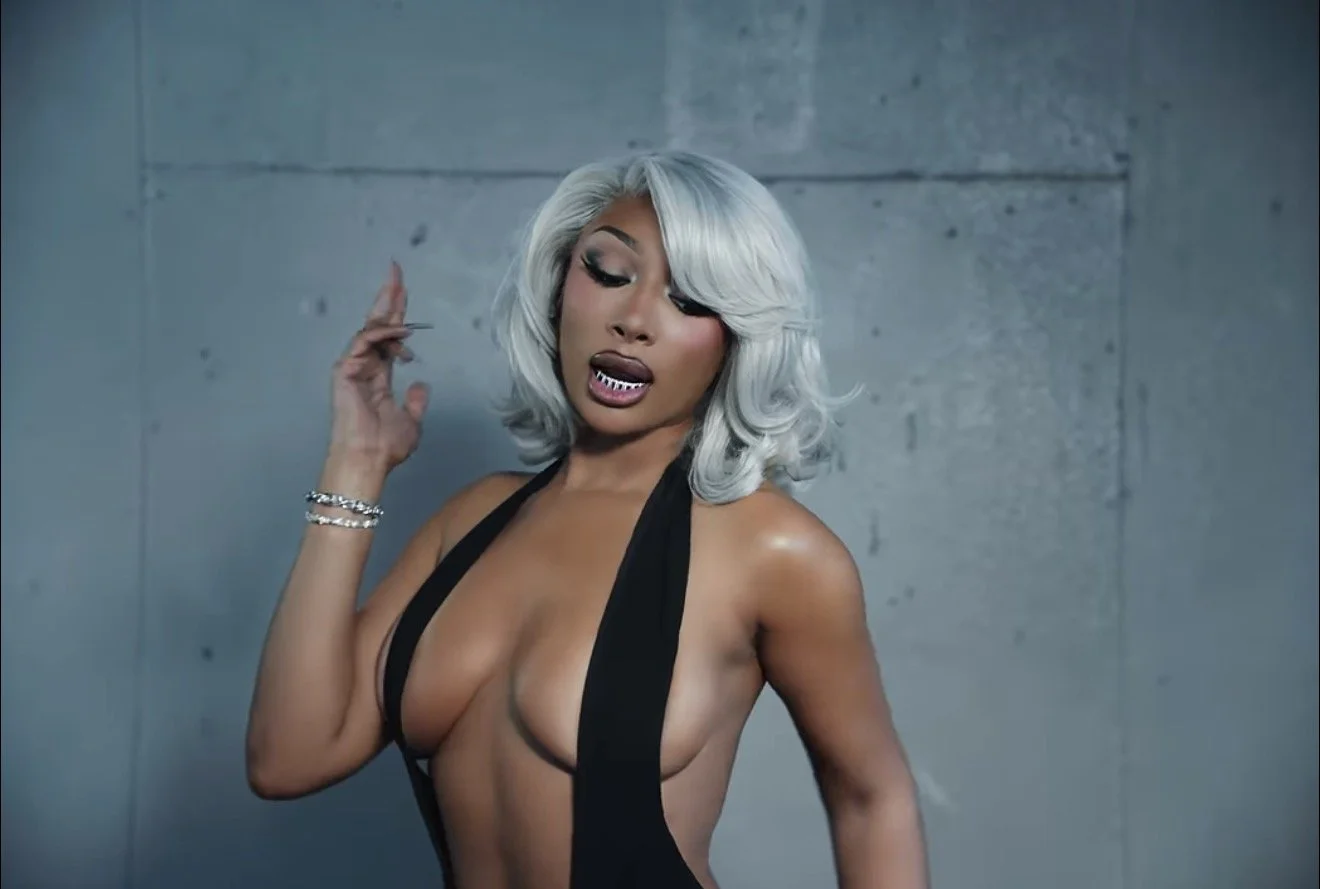
Megan Thee Stallion’s October 20 freestyle samples Limp Bizkit’s “Break Stuff,” adding a new chapter to Tina Snow’s fall run.
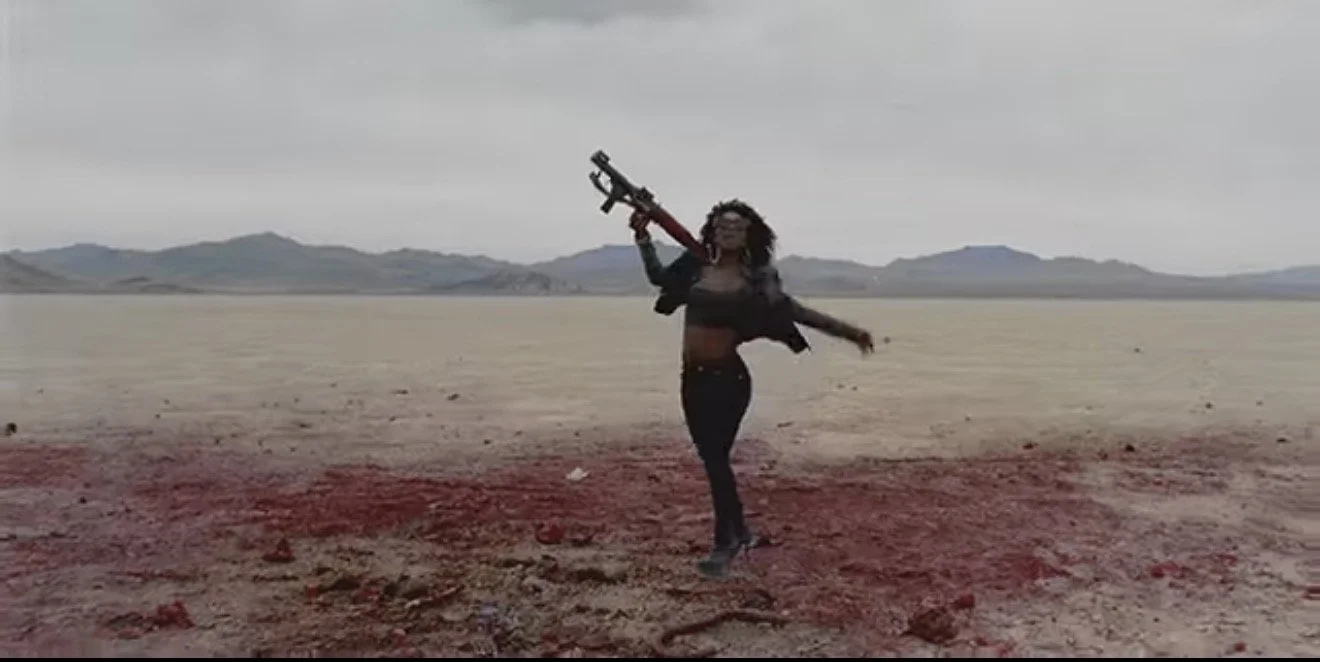
Doechii’s October 20 video follows “BOMBS,” with production from Real Bad Man and Kal Banx and direction shared with Carlos Acosta.
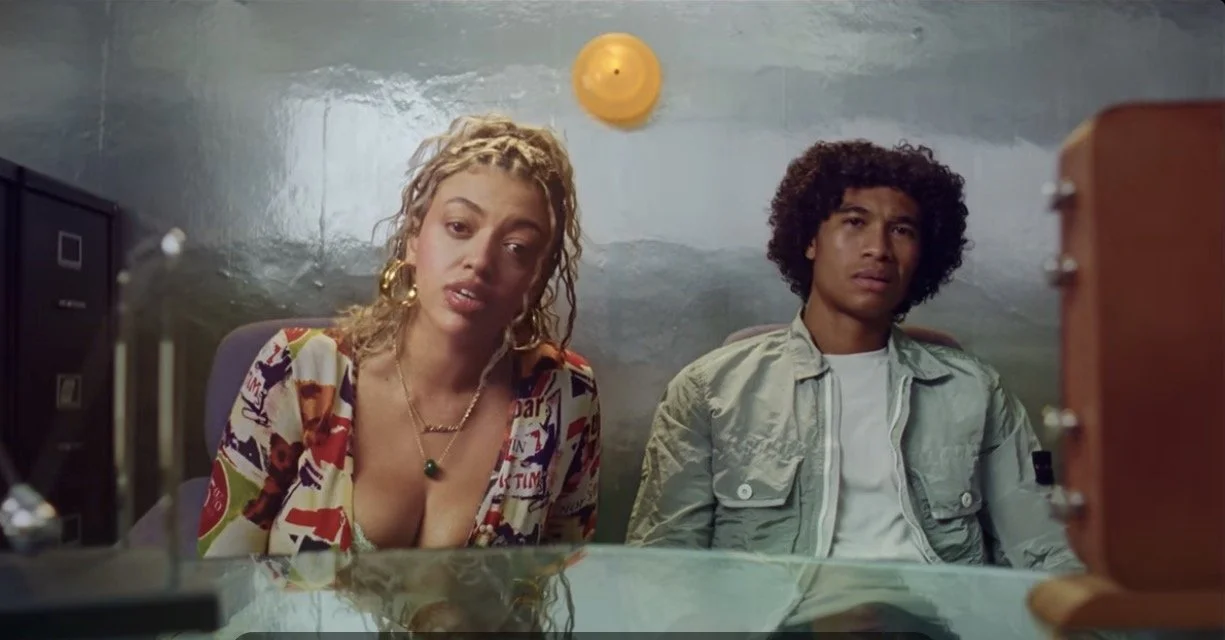
Mahalia’s “the 5 stages of heartbreak,” released October 23, turns a relationship’s unraveling into a five-part R&B story. The single and official video introduce a new independent chapter, with vulnerability and creative control sharing the spotlight.
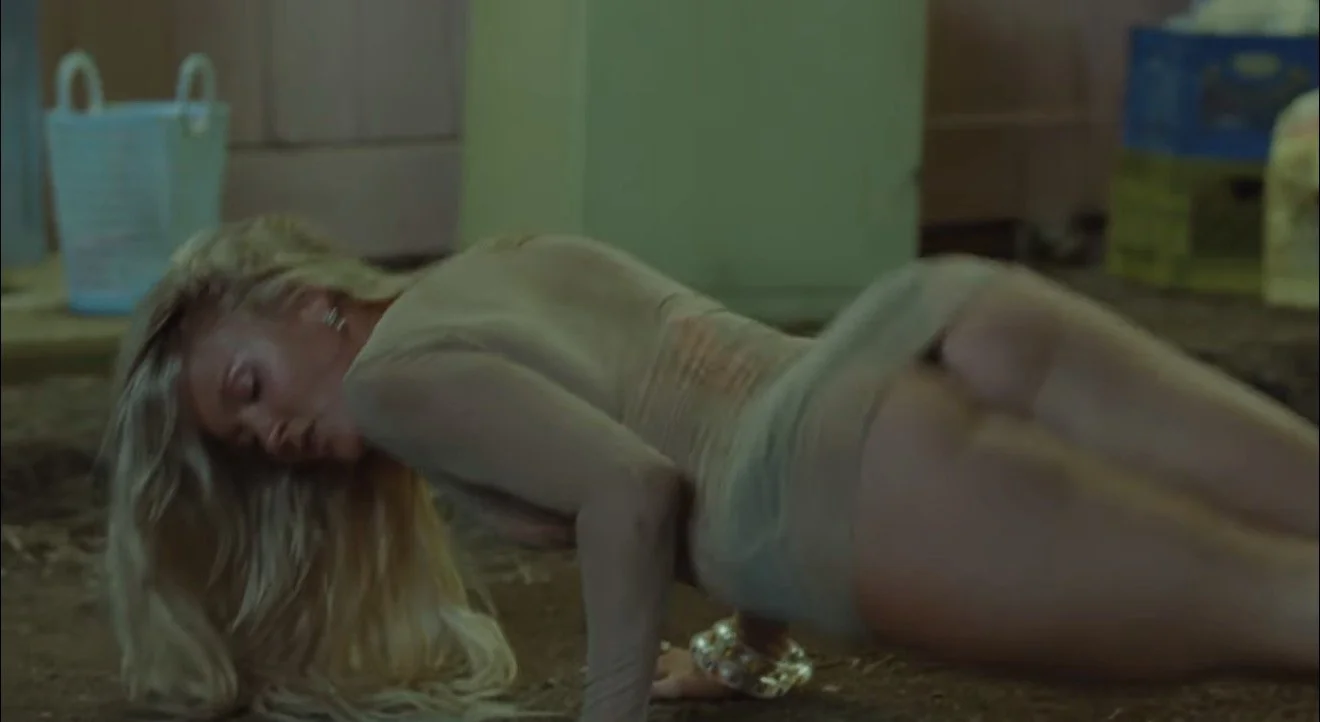
Zara Larsson’s “Blue Moon” gives the Midnight Sun era a new after-dark fantasy. Directed by Charlotte Rutherford, the video turns an ordinary setting into a heightened world of romance, movement and transformation.
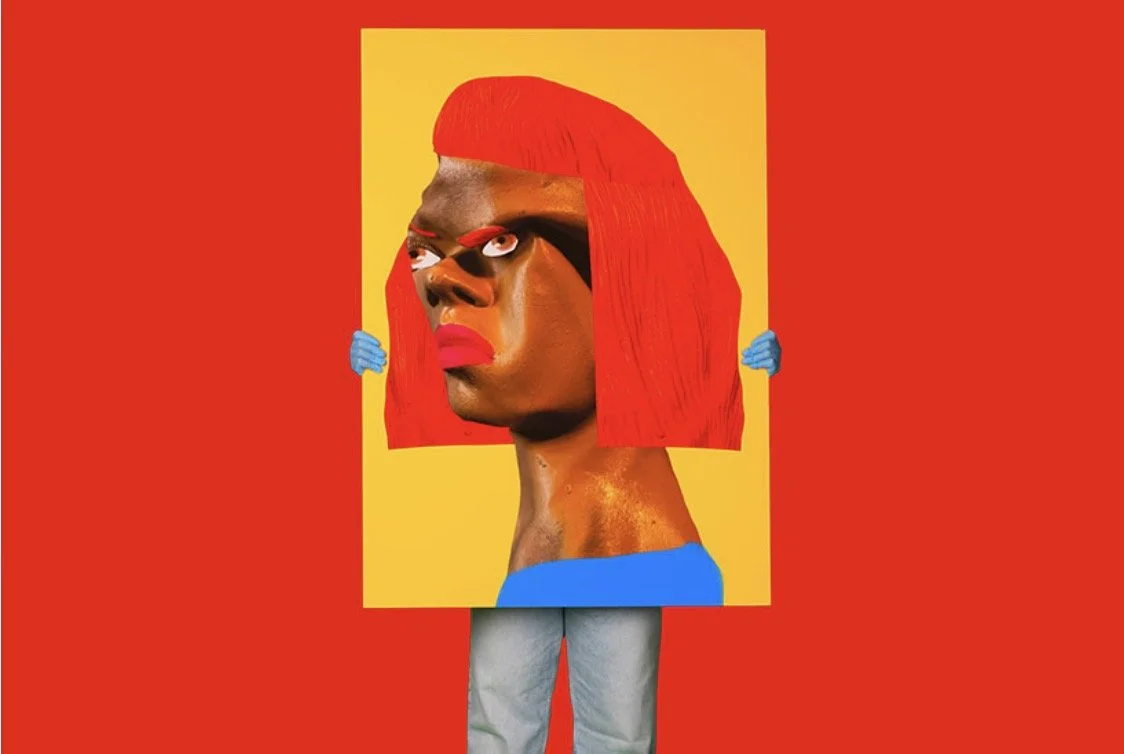
Tierra Whack has added seven songs to WHACK’S MUSEUM. Released October 16, 2026, the deluxe edition gives her rap-focused project another chapter without adding featured guests, keeping the attention on the artist whose name is above the door.
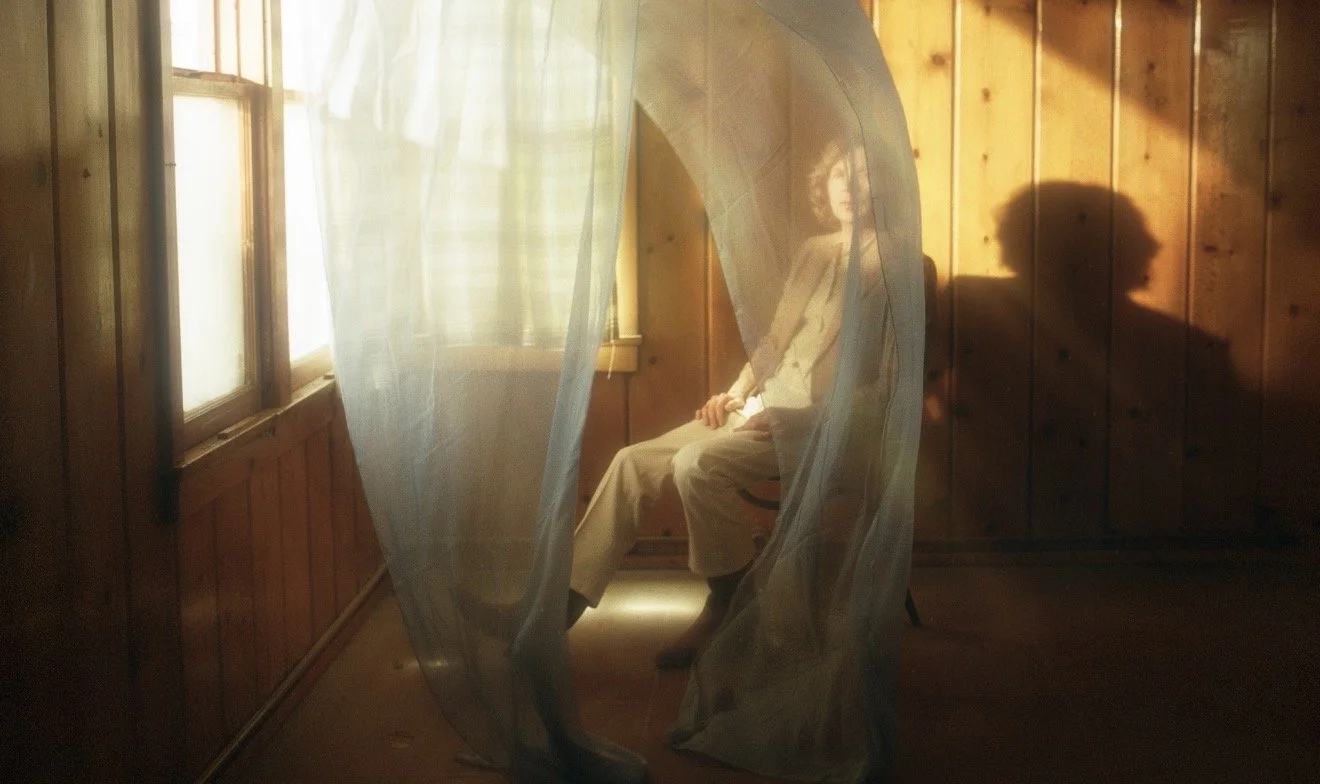
Beck’s Ride Lonesome reaches a new checkpoint as his tour arrives at Toronto’s Massey Hall on October 14 and 15. The September album and its accompanying live run offer a useful look at how an established artist can build a new chapter around musical continuity.
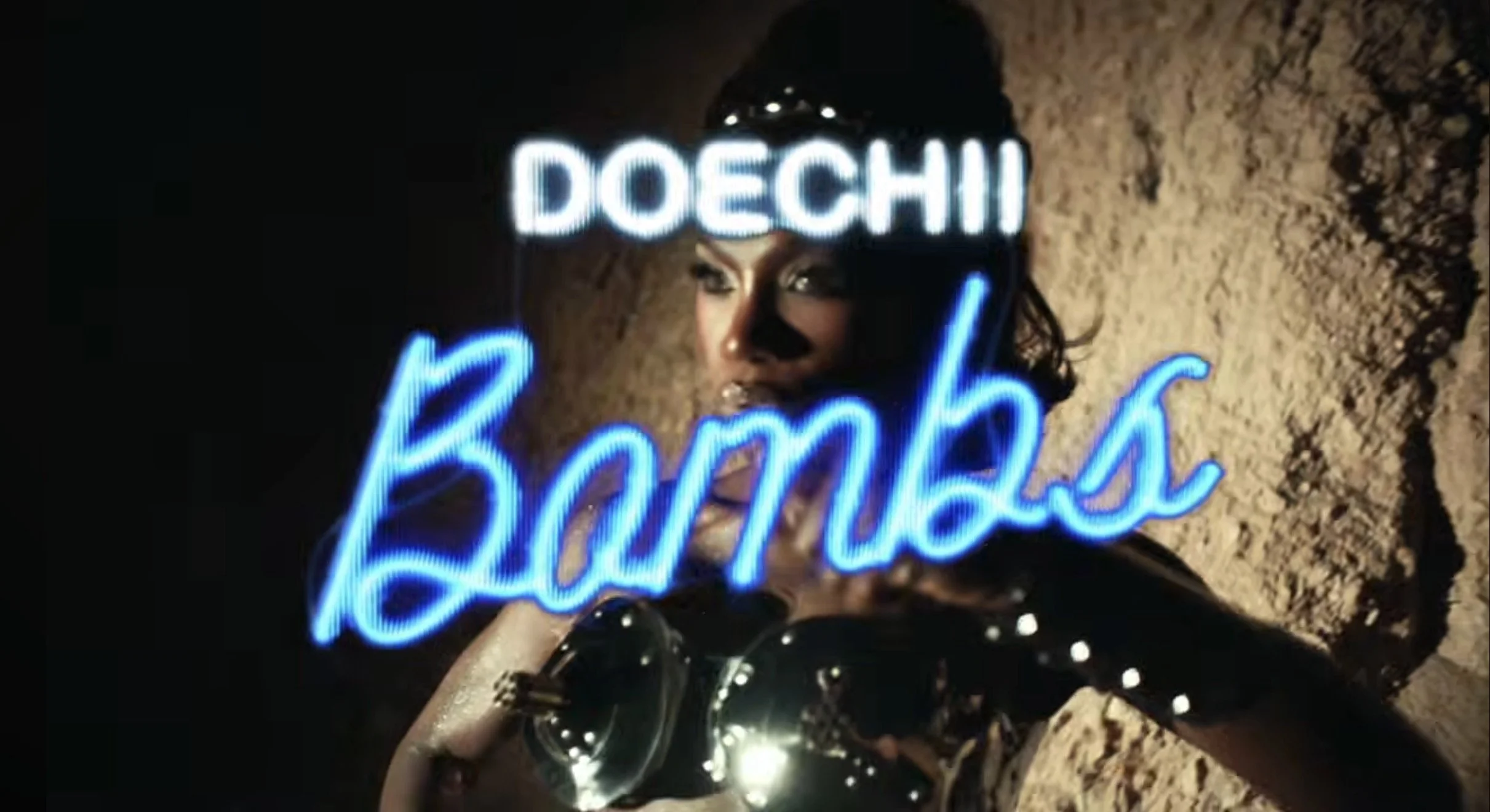
Doechii revives Swamp Sessions with “BOMBS,” a self-directed video released October 12, bringing rapid-fire rap and sci-fi imagery into her next creative chapter.
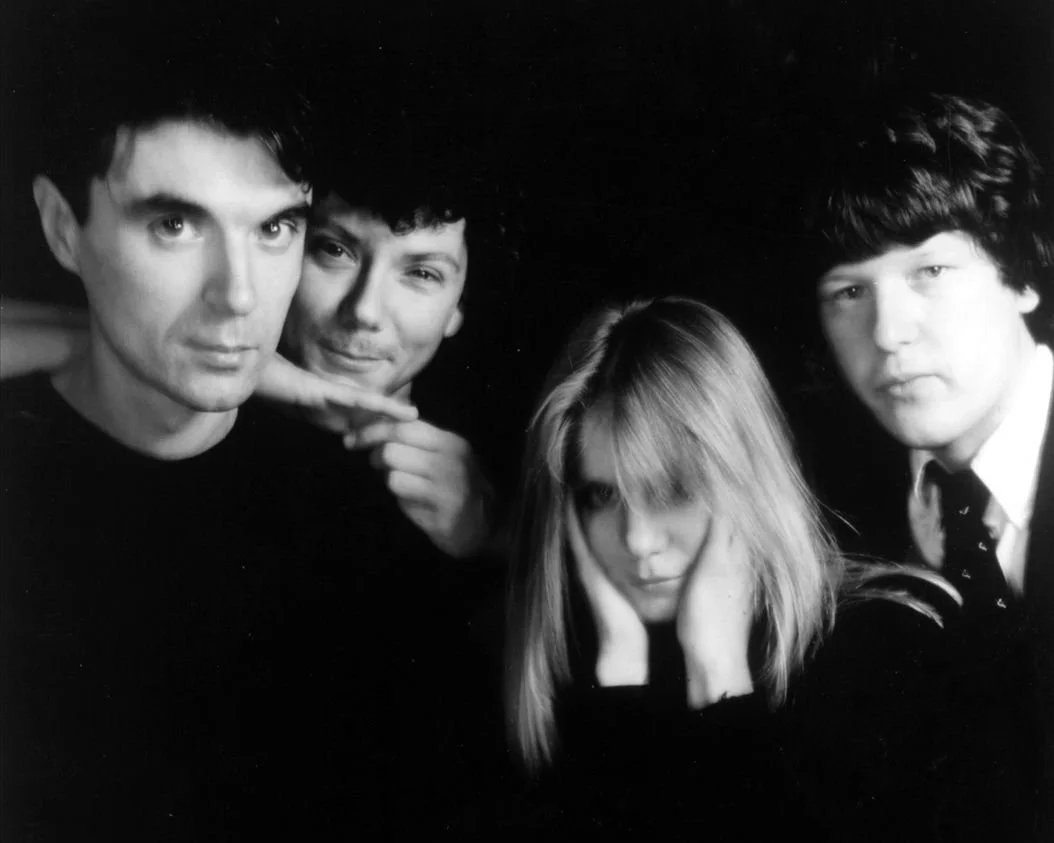
Talking Heads Radio is on air this October, giving listeners a limited window to revisit the band’s catalog before an expanded Fear of Music arrives November 13. The SiriusXM channel runs through October 22 in cars and October 31 on the app.

Yung Miami makes self-belief look red-hot in “F You,” pairing a fiercely independent message with glossy cars, smoke and striking red-and-black styling. The new video turns her refusal to shrink under criticism into a stylish statement of confidence as she builds toward her debut solo album, Watch Dis.
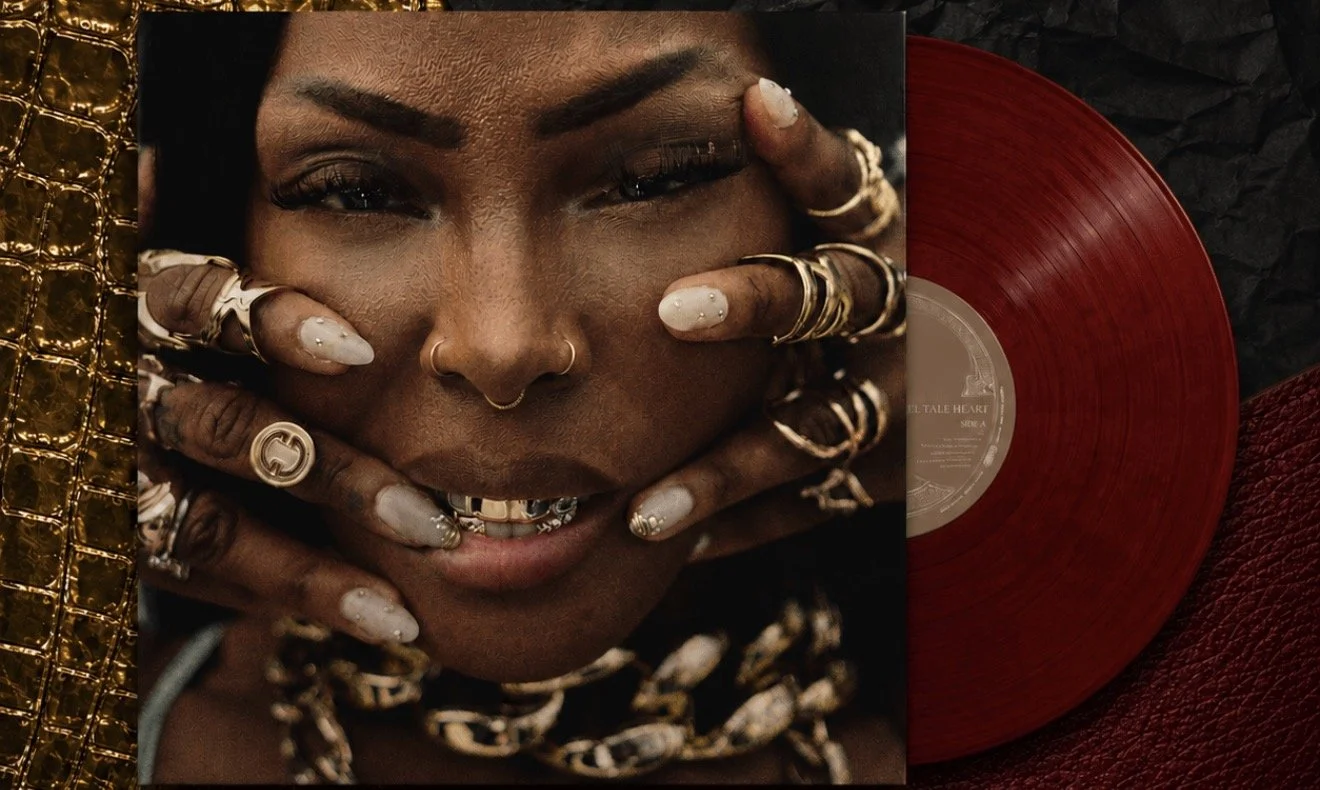
Dawn Richard’s creole culture arrives today, October 9, on Merge Records. The album completes her New Orleans trilogy with a story told from her own perspective, bringing family, local collaborators and Louisiana Creole language into an 11-song release.
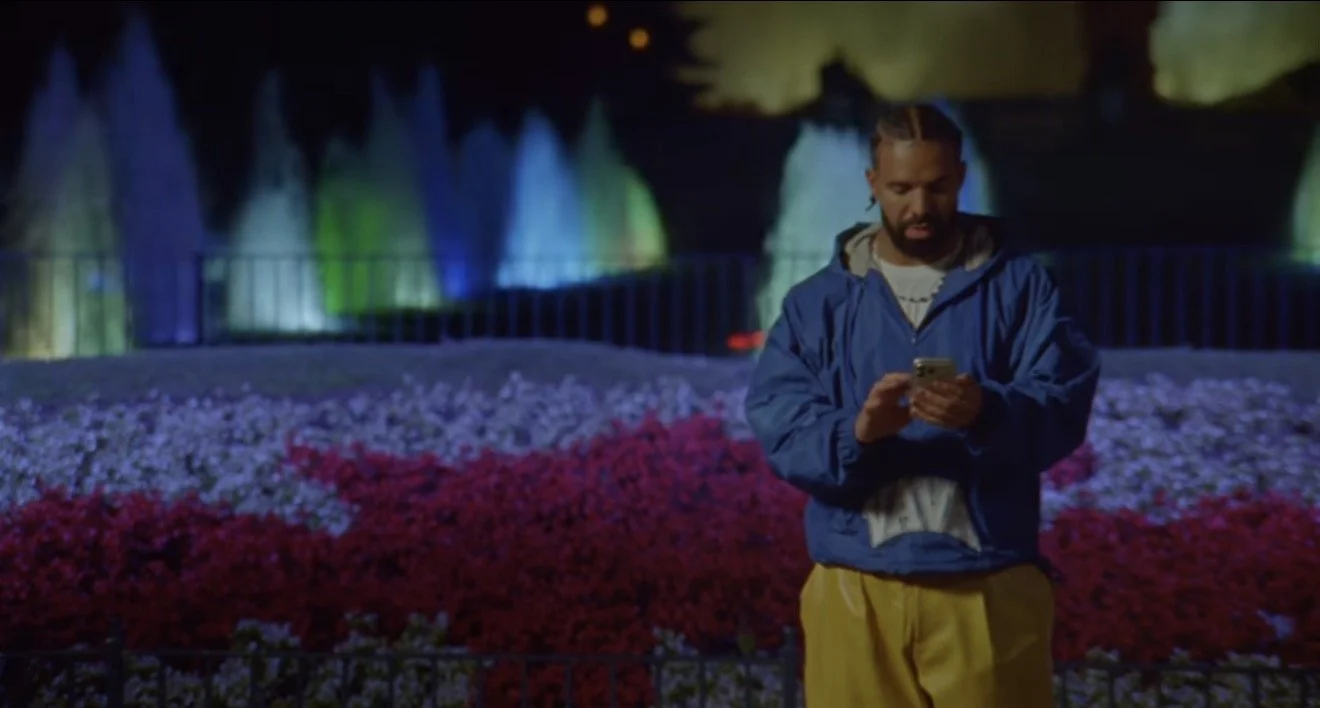
Drake, Don Toliver and Yebba’s “Cold Shoulder” has arrived on Drake’s official YouTube channel, giving the HABIBTI (FOMO) collaboration its own standalone video release. The October 6 upload follows the song’s arrival on streaming and brings its relationship drama back into focus.

Megan Thee Stallion has given Tina Snow two Tuesdays in a row. “Tina Tuesday Freestyle,” released September 29, is now joined by “Is You Cool?,” which arrived October 6. Together, the videos reopen a familiar corner of her catalog while listeners await Act III.
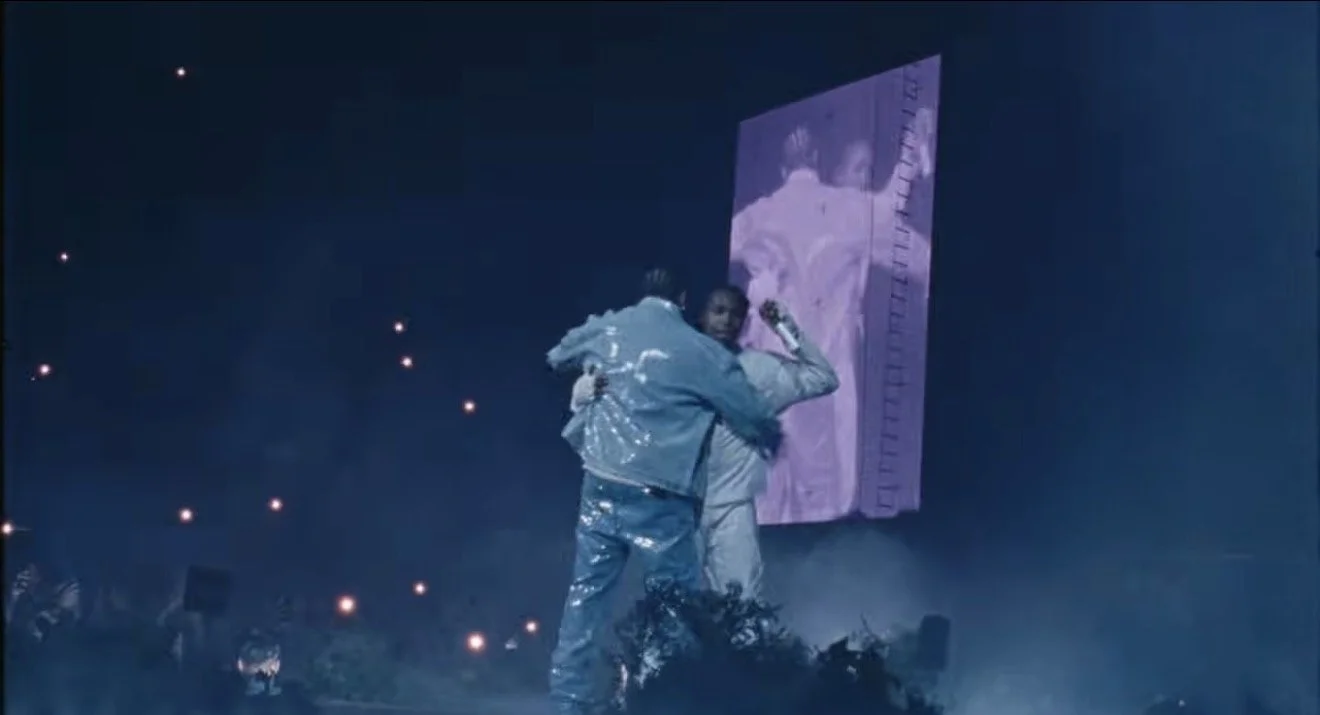
Drake and Don Toliver have released the official “Solar Eclipse” music video on YouTube, extending the rollout of HABIBTI (FOMO). The October 6 upload arrives four days after the song reached streaming, putting the Ella Langley-interpolating collaboration back in the spotlight.
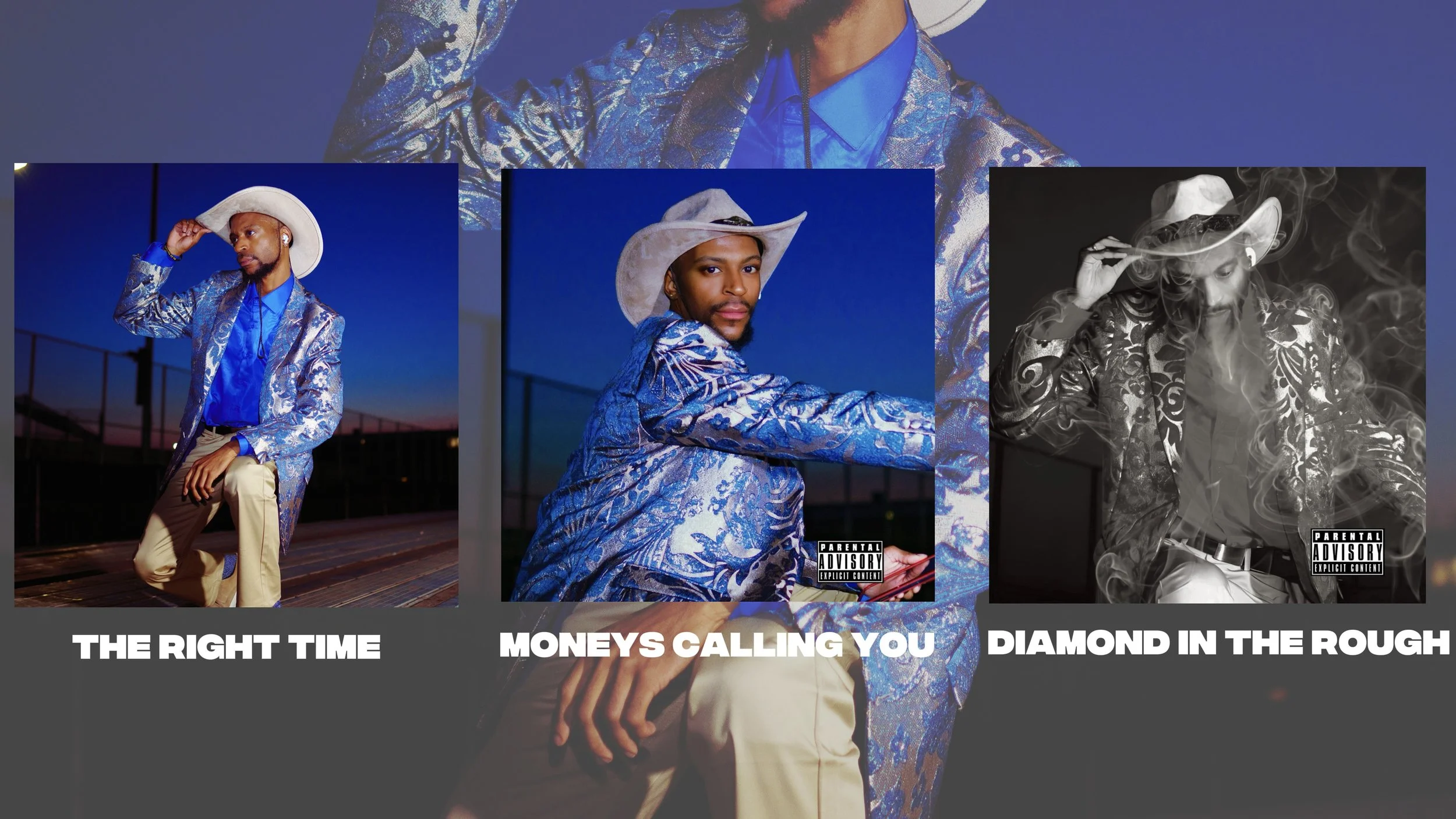
A song can begin with a technical breakthrough, a wish to lift someone's spirits, or a feeling that has waited long enough to be expressed. For Christopher Benson, who makes music as ChrisB, those impulses help explain The Right Time, Money's Calling You and Diamond in the Rough. Benson says he wrote, produced and recorded all three himself. His accounts of their beginnings, together with the lyrics to all three songs, offer a portrait of an artist learning how to give personal intention a finished musical form.
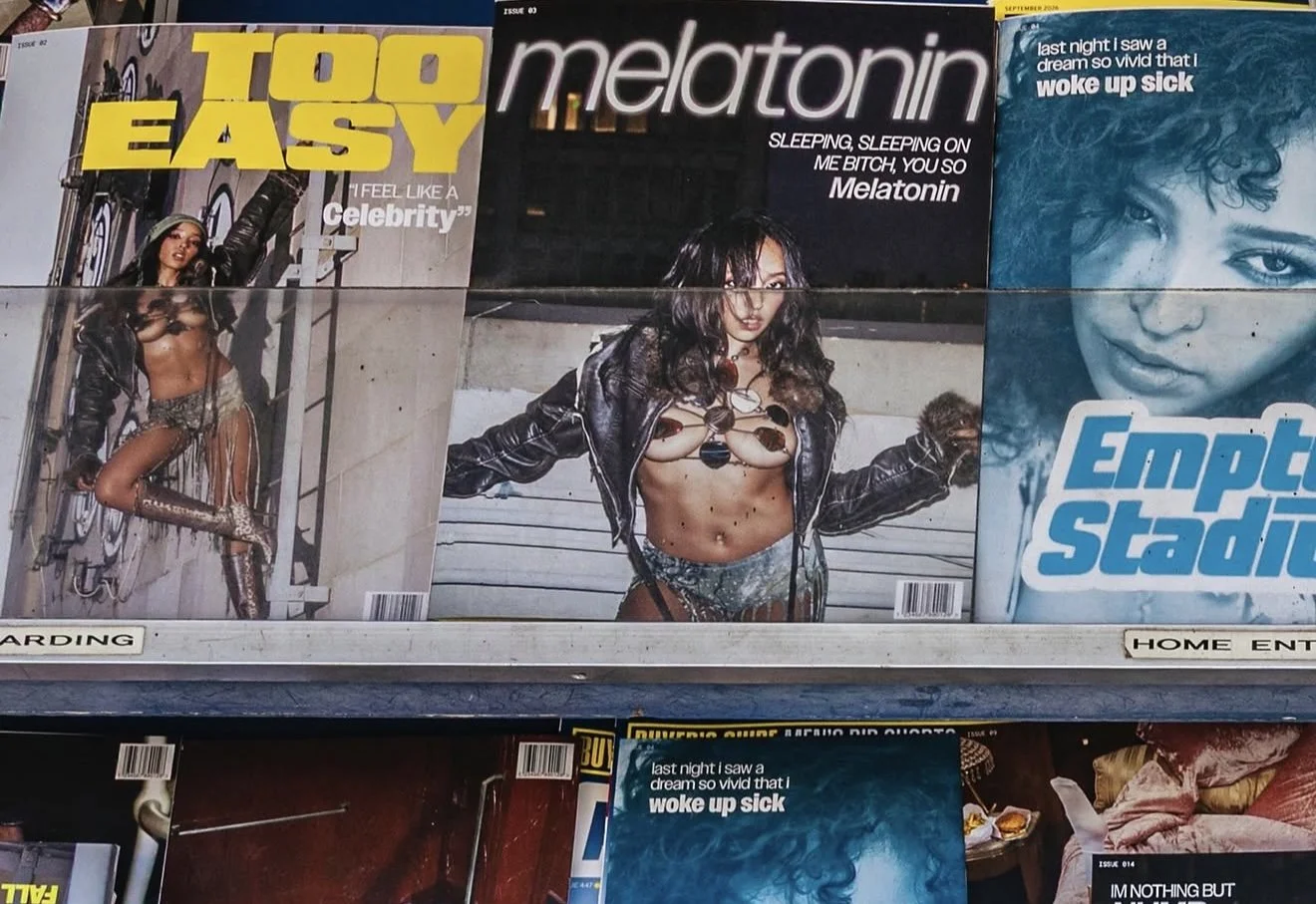
Tinashe’s Popstar era has reached a new high. The album debuts at No. 6 on the Billboard 200 dated October 10, 2026, securing her first top 10 album, according to Billboard’s report.
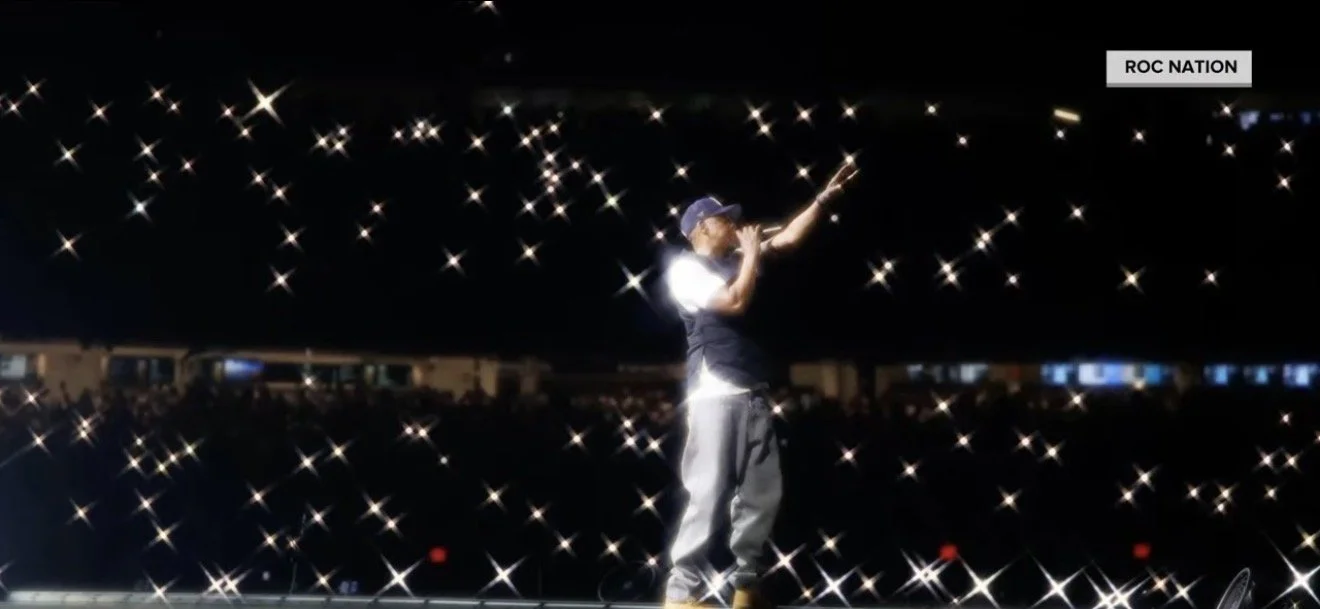
The night didn’t begin as planned. Hundreds of people without tickets rushed the stadium entrances, forcing organizers to temporarily lock down access. Thousands of paying fans were left waiting outside while security regained control, delaying the concert by roughly three to four hours. Jay-Z eventually came on stage just after midnight and apologized, telling fans the delay was necessary for everyone’s safety.

Nicki Minaj, also known as the Queen of Gag City, speaks in-depth with Ebro Darden live in studio in New York City about everything related to "Pink Friday 2." The candid talk covers a wide range of topics, with Minaj discussing how her reaction to learning of her father's death affected the opening song on PF2, "Are You Gone Already."

Get your earphones charged and ready because you’ll need them coming into the New Year with Bronx native trendsetting rapper Sheem Klauf’s ‘Count These Bandz’ which dropped in September 2023. The 90’s feel trap song written with a stellar and catchy hook gives a new spin on nostalgia play snapping out of that New York Drill music that radio’s have gotten so use to listening to & definitely goes complimentary well with the ‘Big Shot’ MC.

The multi-Platinum R&B singer, songwriter, actress, and dancer Tinashe made a magnificent return appearance on Sunday before kickoff to perform the National Anthem. In addition, the lifelong Silver and Black supporter paid tribute to America before the Raiders vs. Chiefs games in 2021 and 2018.

'These last few days [since news of the lawsuit broke] have been gut wrenchingly difficult and overwhelmingly disappointing.'

"You f**kin' right" when they remark, "She got it from her mama, "Body impolite, it's rude/Victoria growled as she sang, "Done being the humble type/Tell me, are you down?/'Cause I'm tryna get up tonight. "I just wanna live in a fantasy/I think we deserve it, right? H*es and hoochies left and right."/All the memories I've ever had in my life, top them all.Permanent euphoriaLet's sleep where the lovers lie/Ladies is pimps tonight/Livin' within a fantasy, she sings.

Shygirl posted a statement on her Instagram Story saying that she was "devastated to share that due to an ongoing respiratory condition, I've been forced to make the difficult decision to cancel my appearances on the upcoming US tour on the advice of my doctor that I can no longer delay surgery."

Chris Brown now needs to appear in court for another strange case. Furthermore, according to The Blast, the paperwork originates from a bank that reportedly provided him with a loan to buy two Popeyes Chicken restaurants.

The tweet that Tinashe liked began, "You already know we're riding with you!" "I have a sense Chris is still bitter about the fact that you rejected him. That would account for his animosity and strange preoccupation with you, lol.
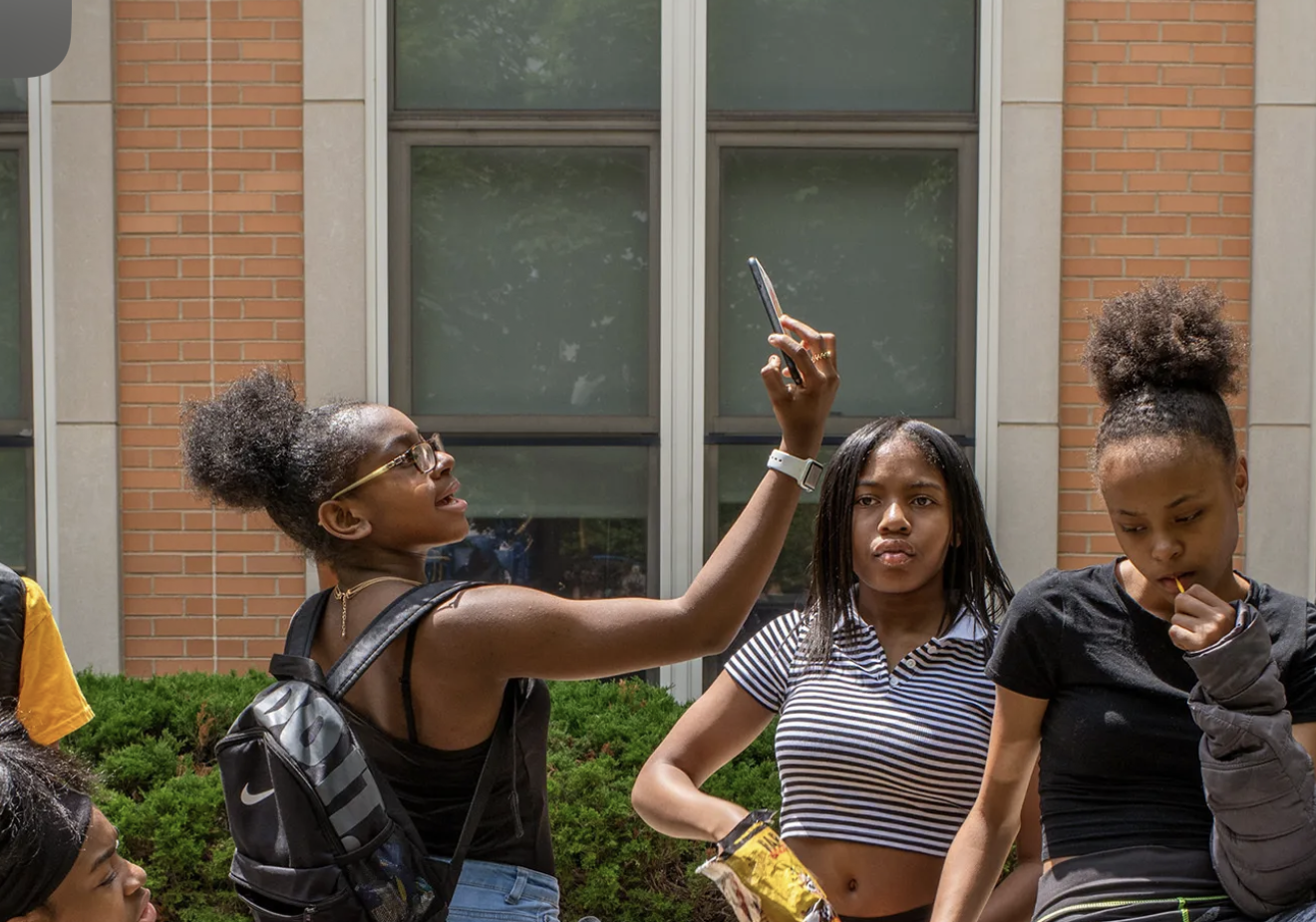
A school photograph can record a face while missing the person. Melissa Ann Pinney’s long-running work with Chicago Public School students asks for a slower encounter, and a new exhibition at New York’s International Center of Photography brings that invitation into focus.

Who gives a photograph its meaning after the shutter closes? The published programme for the International Center of Photography’s “Concept Album” symposium, dated October 23 and 24, places that question in the hands of writers, photographers and curators, following images into books, archives and public conversation.
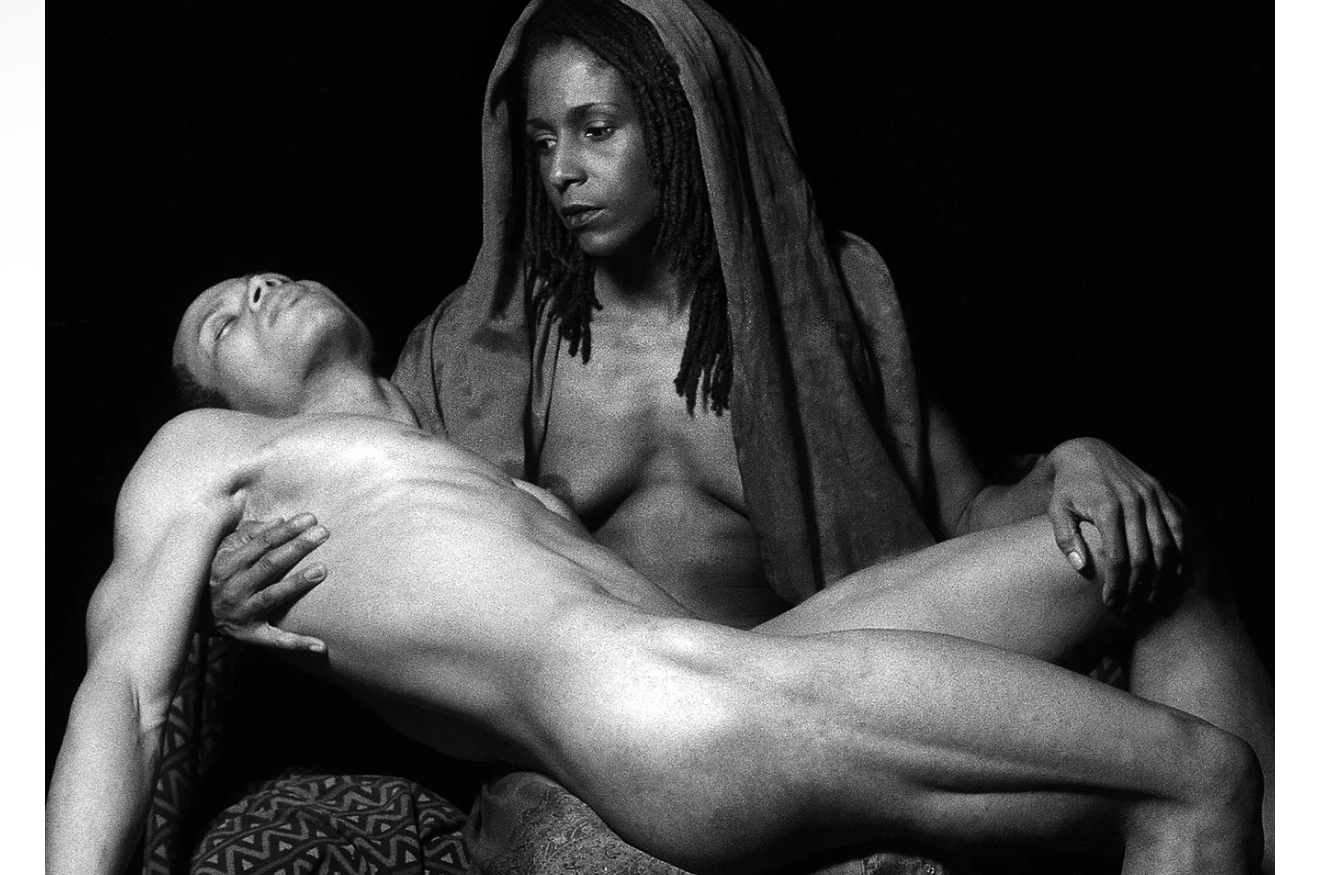
Renée Cox’s Take A Good Look has been extended through November 14 at Ethan Cohen Gallery in Chelsea. The exhibition brings more than three decades of photography and self-representation into conversation.
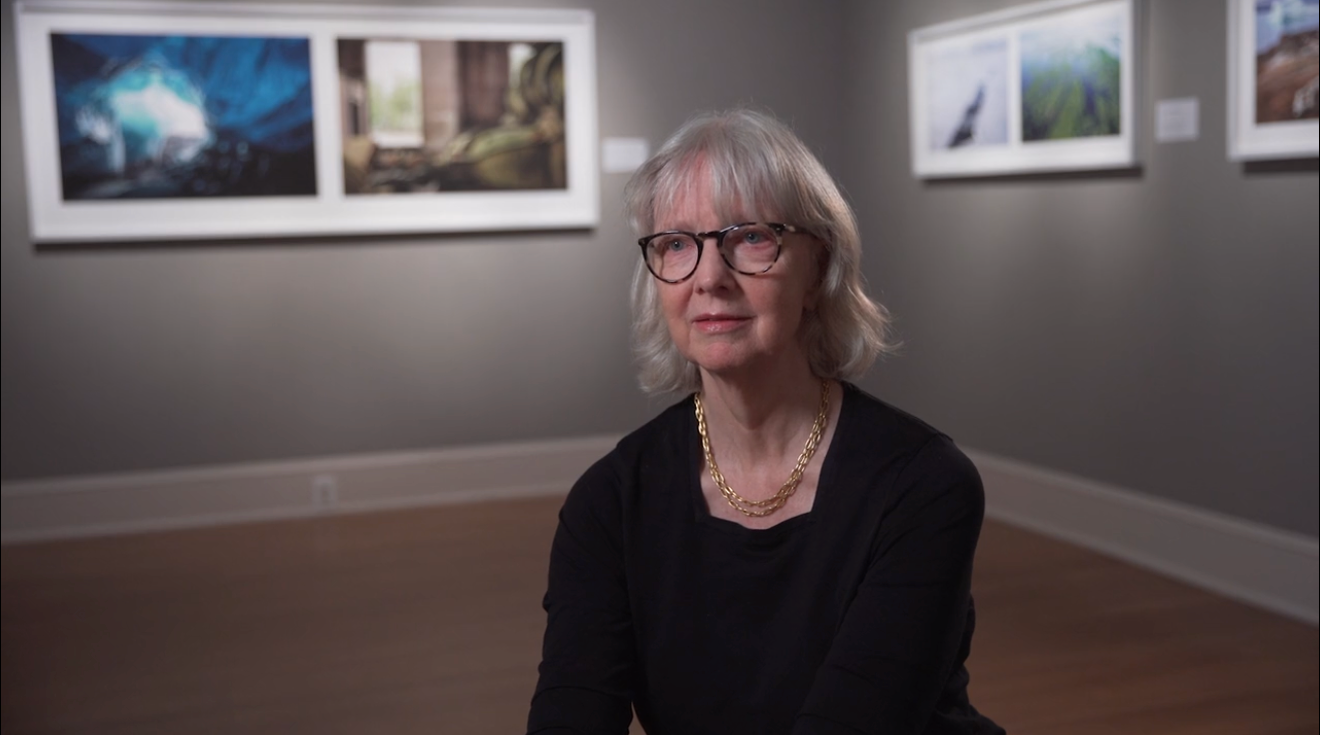
An upcoming New Orleans exhibition explores how photographs change when a collector brings them into conversation.

Opening October 23, 2026, Milwaukee’s Beneath the Surface examines photography’s complicated relationship with resource extraction.
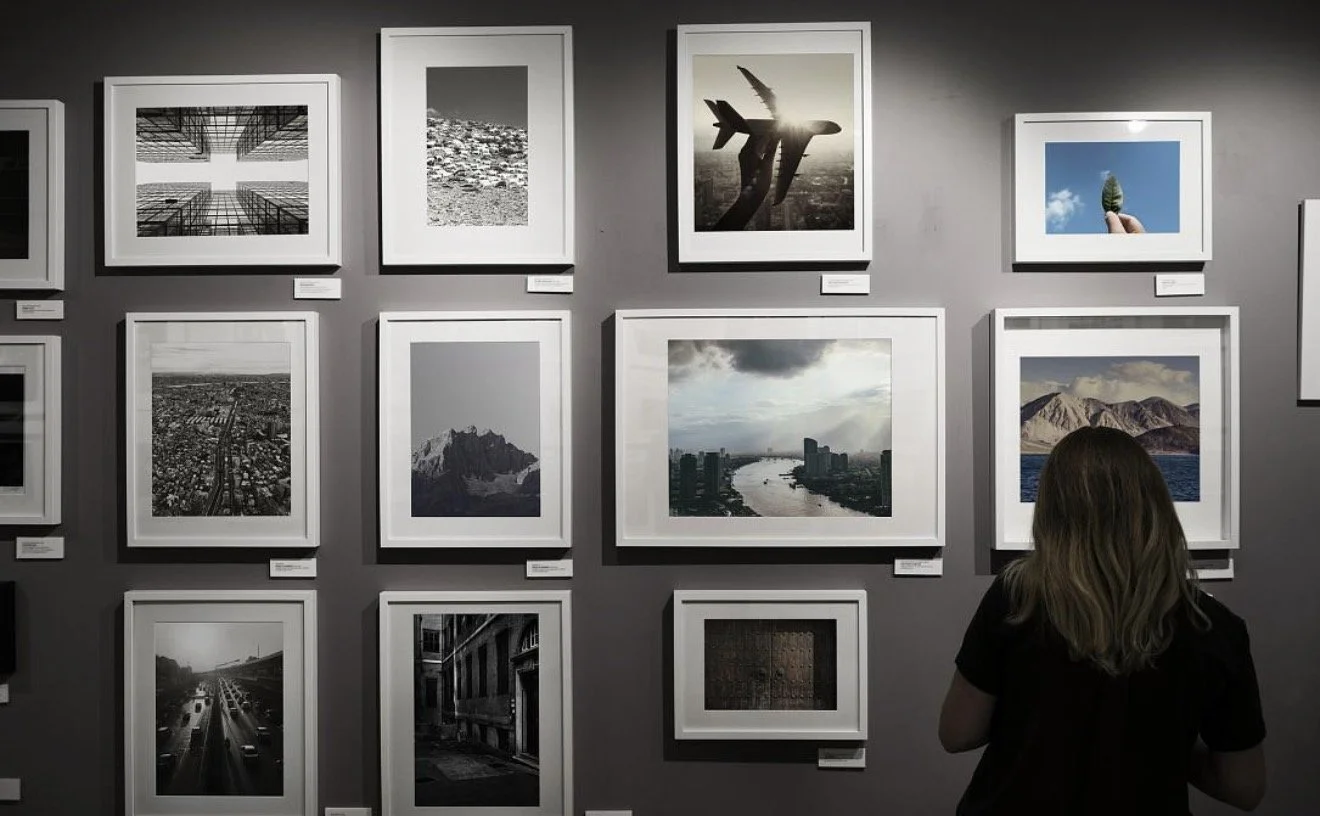
Bucharest Photofest’s Witness edition runs through October 18, bringing photography, film and conversation together around a difficult question: what does it mean to keep looking?
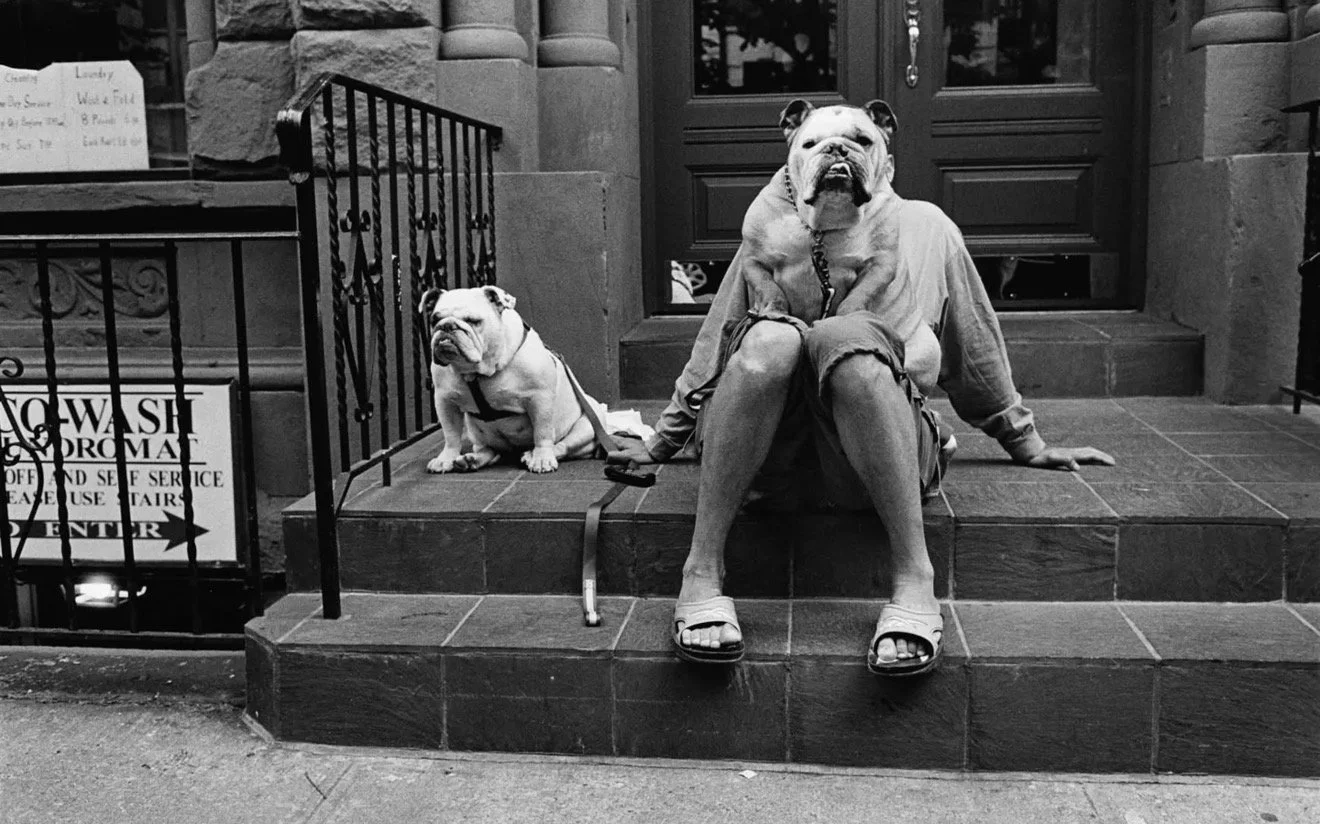
Graciela Iturbide received the Leica Hall of Fame Award on October 8, 2026, in Wetzlar, Germany. The honor comes with an exhibition of more than 50 photographs and a fresh invitation to explore the Mexican artist’s distinctive way of seeing everyday life.
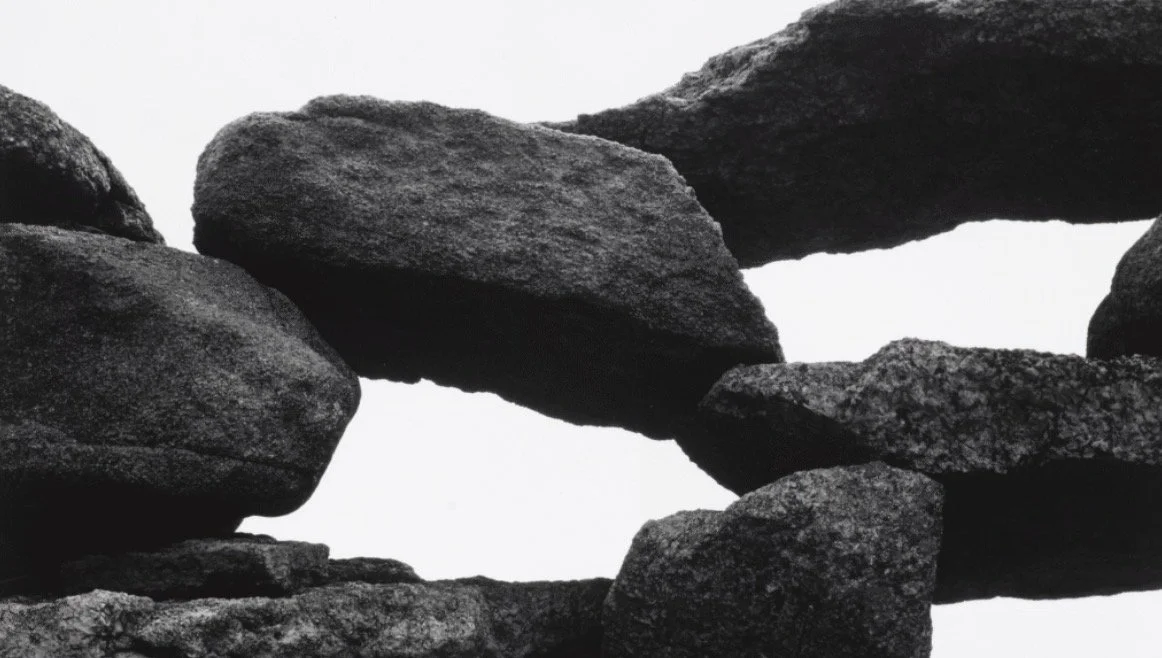
The High Museum of Art has scheduled Photography as a Way of Life to begin today, October 9, in Atlanta. Through Minor White, Aaron Siskind and Harry Callahan, the exhibition considers how making pictures, teaching and sharing ideas can shape an entire creative life.
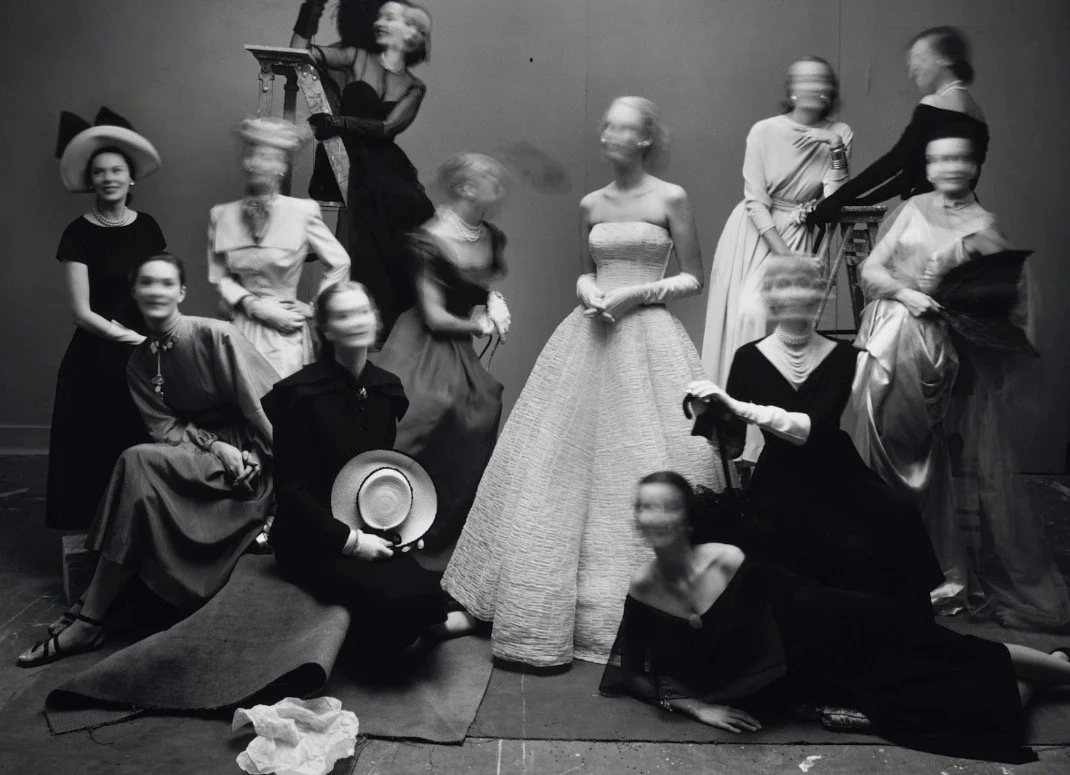
At Paris’s Maison Européenne de la Photographie, PENN & FASHION revisits a career in which a dress could become the beginning of an image’s invention. Within that wider story, Irving Penn’s collaboration with Issey Miyake offers an unusually revealing account of what happens when a designer lets a photographer take the lead.
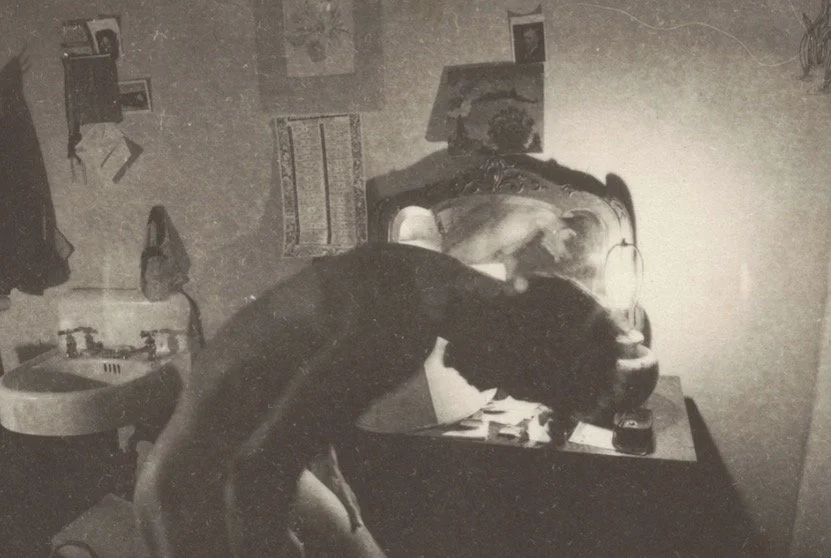
An image can be hazy and still feel startlingly close. Nancy Rexroth’s photographs invite that experience: familiar places become difficult to pin down, while an atmosphere seems to linger just beyond the edges of recognition. For anyone who has ever kept a technically imperfect picture because it held a feeling, there is an immediate way into her work.
John Legend’s Muse arrived October 23, with Pharrell producing the album and Clipse appearing in the new “Bodies On The Floor” video.